

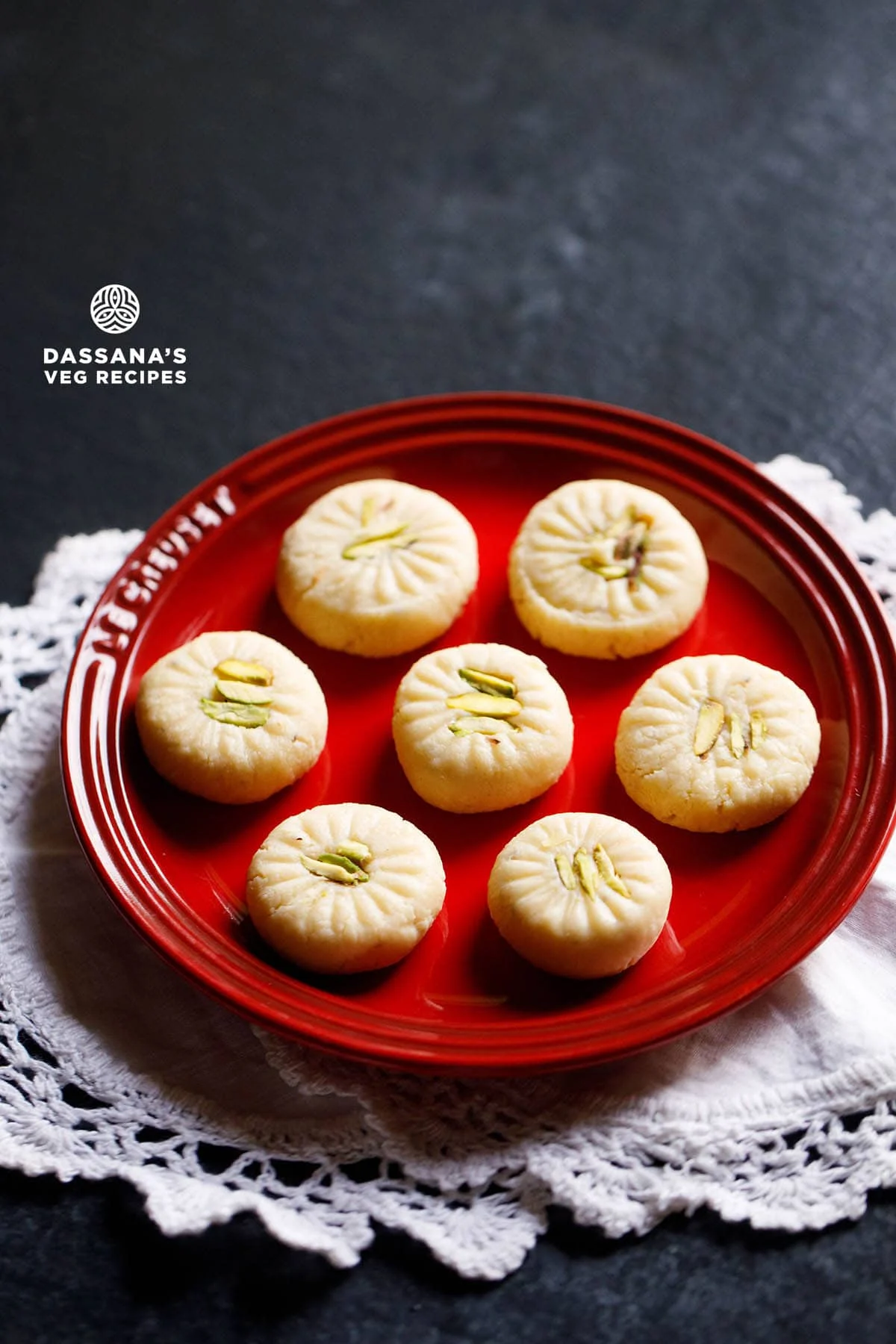
In the vast and intricate tapestry of Indian gastronomy, few items hold as much sentimental and cultural weight as the Milk Peda. Known colloquially as Doodh Peda, this fudge-like delicacy—crafted from milk solids, sugar, and aromatic spices—represents more than just a dessert. It is a symbol of celebration, a staple of religious offerings, and a testament to the sophisticated simplicity of ancient Indian dairy processing.
As the global demand for authentic ethnic sweets rises, the methodology of creating these treats is undergoing a significant transformation. Modern culinary experts are now bridging the gap between the labor-intensive traditions of the past and the fast-paced requirements of the contemporary kitchen. This report explores the nuances of the Milk Peda, its historical evolution, and its enduring relevance in the modern world.

I. Main Facts: The Anatomy of an Iconic Sweet
The Milk Peda is fundamentally defined by its primary ingredient: Khoya (also known as Mawa). Khoya is produced by slowly simmering milk in a large, open iron kadai until the moisture evaporates, leaving behind a rich, concentrated mass of milk solids.
The Composition and Flavor Profile
A classic Milk Peda is characterized by its soft yet firm texture and a deep, milky resonance. Unlike Western fudges, which often rely on heavy fats or corn syrups, the Peda’s richness is intrinsic to the milk itself. The standard flavor profile includes:

- Aromatic Spices: Green cardamom (Elaichi) is the most prevalent flavoring agent, providing a cooling, herbal contrast to the dense dairy.
- Sweetening Agents: Refined sugar is the traditional choice, though modern variations may use jaggery or sugar substitutes.
- Garnishments: Sliced pistachios or almonds are typically pressed into the center, offering a textural crunch and visual elegance.
Cultural Significance
In the Indian subcontinent, the Peda is synonymous with "Good News." It is the customary sweet distributed to celebrate births, weddings, and professional achievements. Furthermore, it serves a critical role in religious life as Prasad—sanctified food offered to deities in temples, particularly during festivals like Diwali (the Festival of Lights) and Ganesh Chaturthi.
II. Chronology: The Evolution of Peda-Making
The history of the Peda is a journey from the slow-burning hearths of ancient Braj (the region around Mathura) to the high-tech, stainless-steel kitchens of today’s urban centers.

The Traditional Era: The Halwai’s Craft
For centuries, the creation of Doodh Peda was a marathon of patience. Professional confectioners, known as Halwais, would stand over massive vats of milk for hours. The process involved:
- Reduction: Boiling gallons of full-fat milk until it reached the "Rabri" stage.
- Solidification: Further cooking until the milk turned into a dough-like khoya.
- Caramelization: The sugar would be added at specific temperatures to ensure the Maillard reaction—a chemical reaction between amino acids and reducing sugars that gives the Peda its distinct tan color and nutty flavor.
The Mid-20th Century: Commercialization and Consistency
As India’s dairy industry became more organized with the "White Revolution," pre-made khoya became available in markets. This allowed households to skip the most arduous step of the process. However, the quality of store-bought khoya varied, leading many purists to continue making it from scratch.

The Modern Era: The 15-Minute Revolution
Today, as documented in the recipe archives of culinary experts like Dassana Amit, the Peda has been "democratized." The modern chronology of a Milk Peda recipe now looks vastly different from its ancestral counterpart:
- Preparation (0-5 minutes): Grating high-quality, ready-made khoya to ensure even melting.
- Cooking (5-15 minutes): Combining the khoya with sugar and a minimal amount of milk (2-3 tablespoons) on a low stovetop flame. The mixture is stirred continuously to prevent browning, resulting in a lighter, "Milk Peda" style rather than the darker "Mathura Peda."
- Shaping (Post-Cooling): Once the mixture reaches a lukewarm temperature, it is hand-rolled and pressed using a "Peda Maker"—a wooden or plastic stamp that imprints intricate floral designs onto the sweet.
III. Supporting Data: Nutritional and Economic Metrics
To understand the impact of the Milk Peda on the food industry, one must look at the data behind the delicacy.

Nutritional Breakdown
While often categorized as an indulgence, the Milk Peda provides a concentrated source of dairy protein and calcium. A standard serving (one piece, approximately 25-30 grams) contains:
- Calories: ~100 kcal
- Carbohydrates: 12g (primarily from sugar and lactose)
- Protein: 3g
- Total Fat: 4g (Saturated Fat: 3g)
- Calcium: 118mg (representing roughly 10-12% of the daily recommended intake)
Regional Variations
The "Peda" is not a monolith. Data from various Indian states show distinct regional preferences:

- Mathura Peda (Uttar Pradesh): Heavily caramelized, brown in color, and coated in sugar crystals.
- Dharwad Peda (Karnataka): A Geographical Indication (GI) tagged product, known for its dark brown color and unique dusting of sugar.
- Kandi Peda (Maharashtra): A specialty of Satara, characterized by its extra-firm texture and purity.
- Kesar Peda: Infused with saffron strands, giving it a vibrant yellow hue and a floral aroma.
IV. Official Responses and Expert Insights
Culinary experts and food historians emphasize that the "quick" version of the Milk Peda is not a dilution of tradition, but rather an adaptation of it.
The "Halwai" Perspective
Traditional confectioners argue that the secret to a perfect Peda lies in the "moisture balance." According to industry insiders, the use of a heavy, thick-bottomed pan (Kadai) is non-negotiable. "A heavy pan acts as a heat sink, preventing the delicate milk solids from scorching," notes a veteran confectioner from Varanasi. "Even in a 15-minute recipe, the physics of the heat must be respected."

The Home Chef’s Adaptation
Contemporary food bloggers and authors, such as the creator of Veg Recipes of India, highlight the importance of temperature control during the shaping process. Their "official" guidance suggests that the mixture must be shaped while lukewarm. If the mixture becomes too cold, it loses its elasticity and cracks; if it is too hot, it cannot be handled. This precision reflects a high level of "domestic science" that has replaced the "intuitive cooking" of previous generations.
The Health and Safety Lens
Food safety officials in India frequently issue advisories during the festive season regarding the purity of khoya. Because the Milk Peda is a high-demand item, "adulteration" with starch or vegetable fats is a concern. Experts recommend that consumers either make their khoya at home or source it from certified organic dairies to ensure the nutritional integrity of the final product.

V. Implications: The Future of Traditional Sweets
The evolution of the Milk Peda from an all-day kitchen project to a 15-minute recipe has several long-term implications for the culinary world.
1. Global Diaspora and Accessibility
The simplified Peda recipe allows the Indian diaspora in the United States, United Kingdom, and Australia to maintain their cultural heritage. In regions where traditional Halwais are unavailable, the ability to create authentic-tasting Doodh Peda using local ingredients ensures that the "taste of home" is not lost to time.

2. The Rise of "Fusion" and Artisanal Brands
We are witnessing the emergence of artisanal sweet brands that take the basic Peda mixture and infuse it with global flavors—such as sea salt caramel, lavender, or dark chocolate. The "Milk Peda" serves as the base canvas for these modern experiments.
3. Preservation of Heritage
By streamlining the process, the barrier to entry for the younger generation is lowered. When a recipe is perceived as "easy" or "quick," it is more likely to be passed down and practiced. The "15-minute Peda" may ironically be the very thing that saves the centuries-old tradition from becoming a forgotten relic.

4. Economic Impact on Dairy
The demand for Peda during the months of September through November (the peak festive season) provides a massive seasonal boost to the dairy industry. This surge supports millions of small-scale dairy farmers across India, as khoya production requires vast quantities of raw milk.
Conclusion
The Milk Peda remains a cornerstone of Indian identity. Whether it is the soft, cardamom-scented "Milk Peda" made in a modern apartment or the dark, caramelized "Dharwad Peda" from a heritage shop, the essence remains the same: the celebration of milk in its most concentrated, soulful form. As we move forward, the balance of "fast" preparation and "slow" tradition will continue to define the trajectory of this beloved Indian fudge.

For the home cook, the message is clear: with 200 grams of khoya and 15 minutes of stirring, one can participate in a culinary legacy that spans millennia. In every bite of a Peda, there is a history of a civilization that turned simple milk into a divine offering.
