

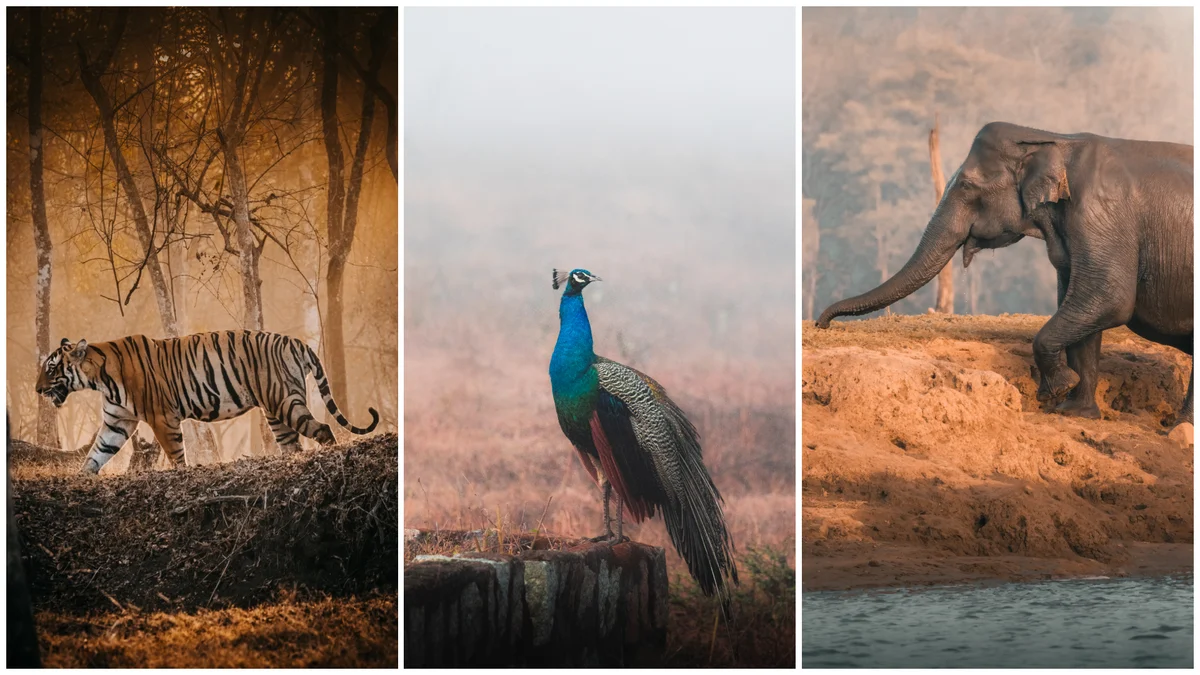
The dense canopy of the Nagarhole Tiger Reserve, located approximately 220 kilometers from the bustling tech hub of Bengaluru, offers a stark contrast to the structured chaos of urban life. Entering this wilderness is often described as visiting a home uninvited; there is no guarantee of a greeting, and the hosts—some of the most formidable predators on earth—operate on a schedule entirely of their own making.
In the wake of a recently lifted government ban on safaris, the monsoon season has transformed the Kabini landscape into a lush, emerald theater of biodiversity. While the tiger remains the primary draw for the thousands of tourists who flock to the region, the true story of Nagarhole lies in its delicate ecological balance, its history of human-animal conflict, and the resilient spirit of the communities that guard its borders.
Main Facts: A Resurgent Wilderness
Nagarhole Tiger Reserve, also known as Rajiv Gandhi National Park, remains one of India’s premier high-density tiger habitats. According to recent census data, the reserve is home to approximately 149 tigers. This population forms a critical part of the larger Nilgiri Biosphere Reserve, which encompasses Bandipur, Mudumalai, and Wayanad, creating one of the most significant contiguous forest patches for Asian elephants and Bengal tigers globally.

The region recently underwent a period of restricted access. Safaris in Karnataka were temporarily suspended late last year following a spike in human-animal conflicts. The restoration of these safaris has been met with significant enthusiasm from both the hospitality sector and wildlife enthusiasts. For the State-run Jungle Lodges and Resorts and private partners like The Serai Kabini, the monsoon reopening marks a return to normalcy, albeit with a renewed focus on sustainable interaction with the wild.
The Kabini River, which swells during the monsoon, acts as a geographical and ecological divider. It separates Nagarhole to the north from the Bandipur Wildlife Sanctuary to the south. This riverine ecosystem provides a unique vantage point for wildlife observation, offering a "water safari" experience that complements the traditional land-based treks.
Chronology: A Journey Through the Monsoon Mist
The Morning Land Safari: A High-Stakes Pursuit
The expedition begins well before the sun breaches the horizon. At The Serai Kabini, guests are awakened to a world shrouded in mist, where the silence is broken only by the distant call of a nightjar. Following a brief rendezvous at the Jungle Lodges and Resorts—the central hub for all safari embarkations—visitors are bundled into rugged canters and jeeps.

On a recent excursion led by naturalist Chamaraj and driver Abhi, the atmosphere was one of palpable tension. The previous day had yielded several tiger sightings, raising expectations to a fever pitch. As the vehicle wound through the muddy, rain-slicked tracks of the reserve, the forest revealed its smaller wonders: peahens darting through the underbrush, the spectacular plume dance of a peacock, and the stoic presence of a serpent eagle perched atop a teak branch.
The hunt for the "Big Cat" is no longer a solitary endeavor of the eyes. In the modern safari, technology plays a silent but pivotal role. Drivers and naturalists now utilize a sophisticated network of WhatsApp voice notes and cellular calls to track predator movements. When a "call" (the alarm sound made by deer or monkeys) is heard in one sector, the information ripples through the jungle via these digital channels.
At one point, a frantic tip-off sent the vehicle into a high-speed U-turn, racing toward a waterbody where a tiger had been spotted moments prior. However, the wilderness rarely adheres to a script. Upon arrival, the only evidence of the predator was a set of fresh pugmarks pressed into the soft mud—a "near miss" that underscores the unpredictability of the wild.

The Culinary Reset: Heritage on a Leaf
Between the morning and afternoon safaris, the experience shifts from the adrenaline of the chase to the heritage of the land. At The Serai’s Wildgrass restaurant, Sous Chef Mudhassir prepares the baale yele oota, a traditional Karnataka feast served on a plantain leaf.
This meal is more than mere sustenance; it is a gastronomic map of the region. The spread includes neer moru (spiced buttermilk), cosumbari salad, Maddur vada, and bisi bele bath, concluding with the sweet obbattu. For the traveler, this interlude serves as a necessary "reset," allowing the senses to transition from the ruggedness of the forest to the refined hospitality of the riverfront.
The Afternoon Water Safari: A Riverine Perspective
As the afternoon sun warms the Kabini River, the mode of exploration changes. Led by naturalist Shekar and Captain Krishna, the boat safari offers a serene, almost meditative contrast to the jolting land trek.

The river, originating in the highlands of Wayanad, serves as a lifeline for the park’s inhabitants. During the 3.5-hour journey, the boat glides past tribal villages and enters the heart of the national park. The monsoon provides a rare opportunity to see species that typically remain hidden. On this occasion, the group encountered a family of otters and crocodiles basking on the banks—sights that Shekar noted are uncommonly frequent this season. Despite the absence of a swimming tiger—a rare but legendary sight in Kabini—the abundance of ospreys, kingfishers, and wild jackals provided a comprehensive picture of the river’s thriving biodiversity.
Supporting Data: The Anatomy of a Reserve
The success of Nagarhole as a tiger stronghold is supported by rigorous management and a vast, protected area.
- Tiger Density: With 149 tigers, Nagarhole maintains one of the highest densities of the species in the world, supported by a robust prey base of spotted deer (chital), sambar, and wild boar.
- The Serai Kabini: Established in 2005, the property spans 60 acres, though only 12 acres are built-upon, ensuring a low-impact footprint. The resort serves as a major stakeholder in local conservation and employment.
- Human-Animal Dynamics: The fringe areas of Nagarhole are home to various tribal communities. These groups have historically relied on the forest for traditional medicine. Naturalists like Shekar point to plants like the Jatropha, whose milk is used by locals to treat fevers and joint pains, as evidence of the symbiotic relationship between the forest and its people.
Official Responses and Conservation Efforts
The temporary ban on safaris earlier this year was a calculated move by the Karnataka Forest Department to mitigate human-animal conflict. In recent years, the expansion of human settlements near the reserve boundaries has led to increased instances of cattle lifting and, in tragic cases, human fatalities.

Officials from the Forest Department have emphasized that the "restoration of safaris" is not merely for tourism but serves as a monitoring tool. The presence of safari vehicles often acts as a deterrent to poachers and provides "eyes on the ground" for forest guards.
Naturalists at private resorts are also being trained to manage guest expectations. Abdul Saleem, the Front Office Manager at The Serai Kabini, notes that the philosophy of the resort is to encourage "zero expectations." By shifting the focus from just the tiger to the entire ecosystem—including the 250+ bird species and the intricate flora—the industry aims to create a more responsible and less "predator-obsessed" tourist.
Implications: The Future of Ecotourism in Karnataka
The experience of the monsoon safari in Nagarhole suggests a shifting paradigm in Indian wildlife tourism. There is a growing movement toward "holistic wilderness experiences" rather than "tiger-centric" tours.

The Psychological Impact of Solitude
The silence of the Kabini riverfront and the lack of cellular connectivity in the heart of the park offer a "digital detox" that is becoming a luxury in the modern age. The value of the safari is increasingly found in the "solitude and warm hospitality" rather than the photographic evidence of a big cat.
Sustainable Community Integration
The long-term survival of Nagarhole depends on the economic integration of local communities. Employees like Byre Gowda, a local boatman who has been with the resort since its inception, represent the success of this model. By providing livelihoods through nature walks, coracle rides, and birding safaris, the tourism industry creates local "guardians" of the forest who see the value in preserving the tiger rather than viewing it as a threat.
The "Monsoon Effect"
Traditionally, the monsoon was considered the "off-season" for Indian wildlife. However, the lush greenery and the activity of smaller mammals and birds are proving that the rainy season offers a unique, albeit challenging, window into the forest’s life cycle. The "bittersweet" nature of the experience—the missed sightings and the sudden downpours—adds a layer of authenticity that seasoned travelers are beginning to crave.

As the writer’s journey concluded with the sound of birdsong and the sight of the swollen Kabini, the takeaway was clear: the tiger is the ghost that haunts the woods, but the woods themselves are the living, breathing miracle. One may go into the jungle uninvited, but if they enter with respect and "zero expectations," they inevitably leave with a wealth of memories that no photograph could ever fully capture.
