

In an era increasingly focused on holistic health and mindful movement, Pilates has emerged from its niche origins to become a globally recognized and celebrated exercise method. Developed in the early 20th century by Joseph Pilates, this discipline transcends mere physical exertion, offering a profound integration of mind and body that fosters core strength, enhanced body awareness, and mental clarity. Far from a fleeting trend, Pilates has cemented its place as a scientifically validated approach to fitness, pain management, and overall well-being.
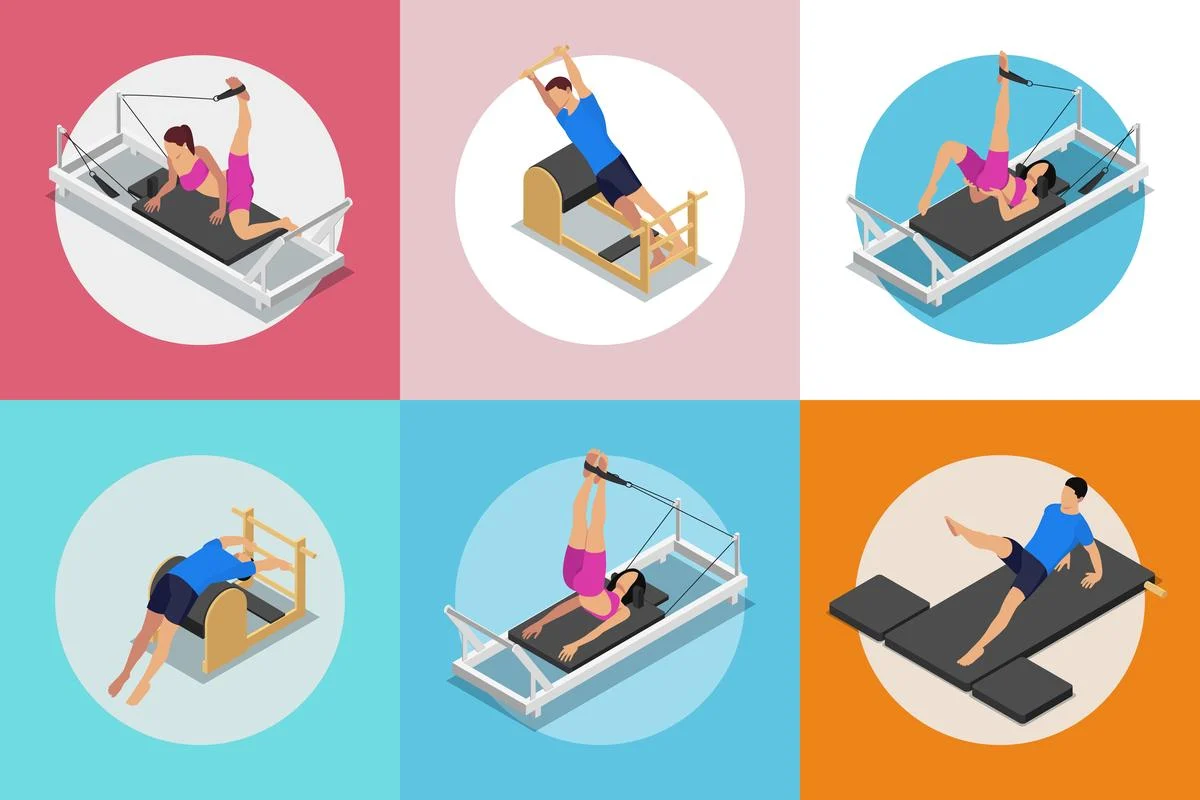
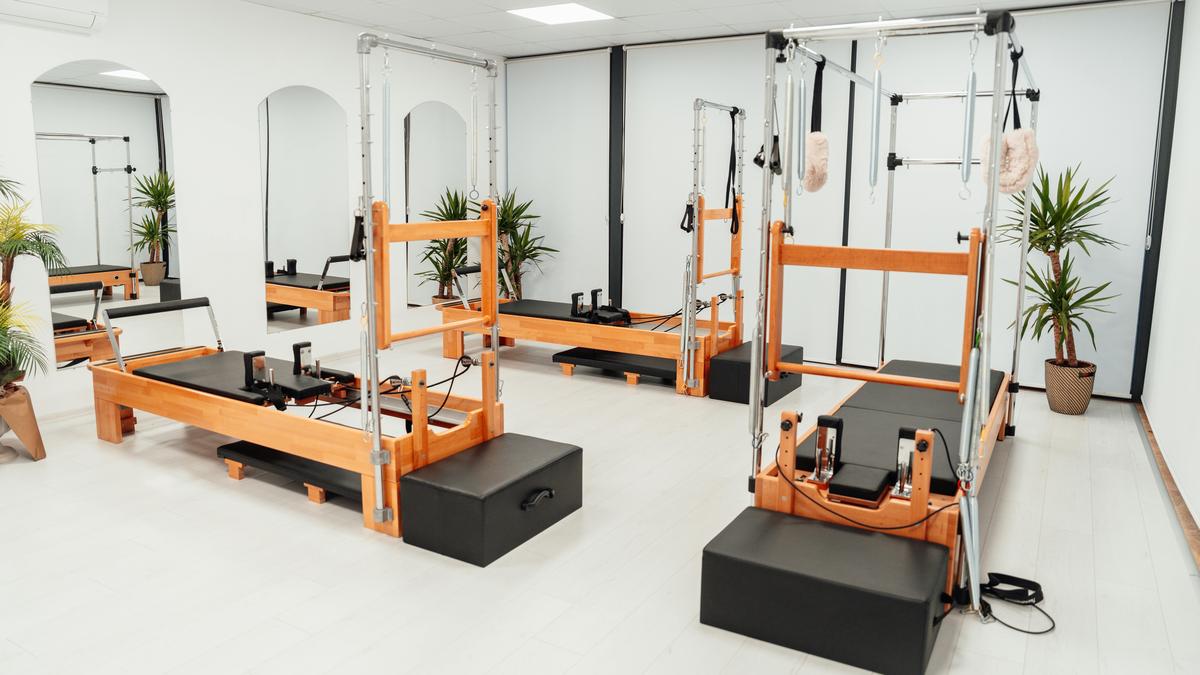
The image of a person gracefully moving on a specialized apparatus, or executing precise sequences on a mat, has become synonymous with the discipline. While often practiced on a mat, Pilates’ versatility is amplified by its specialized equipment, such as the iconic Reformer, a spring-loaded carriage that provides adjustable resistance, and the Cadillac, a versatile frame equipped with bars and straps. These tools, far from being mere accessories, are integral to the method’s ability to offer a comprehensive full-body workout, meticulously designed to improve breathing patterns and cultivate precise muscle control.
Recent years have witnessed a surge in the popularity of Pilates, driven by a confluence of factors ranging from increased health consciousness among younger generations to the pervasive influence of social media, which often amplifies trends through the "Fear Of Missing Out" (FOMO) effect. However, beyond the buzz, scientific research consistently underscores Pilates’ efficacy. Studies published in reputable journals like the Journal of Orthopaedic & Sports Physical Therapy and by the American Council on Exercise have highlighted Pilates’ significant benefits in enhancing spinal stability and improving posture, all while minimizing the risk of injury. This evidence-based validation has elevated Pilates from a popular exercise to a recognized therapeutic and rehabilitative tool.
The Genesis of Contrology: Joseph Pilates and His Vision
The story of Pilates is intrinsically linked to its creator, Joseph Pilates. Born in Germany in the early 1900s, he developed this revolutionary approach to physical conditioning as a means to combat his own childhood ailments, including asthma and rickets. His early life was marked by a deep exploration of the human body and its potential for movement. Pilates drew inspiration from a diverse range of disciplines, including the rigor of gymnastics, the power of boxing, the mindful practices of yoga, and the meditative stillness of Zen meditation. This eclectic foundation laid the groundwork for a system that emphasized the interconnectedness of physical strength, mental acuity, and breath control.
In 1926, Joseph Pilates embarked on a new chapter, migrating to New York City. It was here, in a studio situated conveniently near the New York City Ballet, that he began teaching his method, which he originally termed "Contrology." His vision was to create a system that not only strengthened the body but also educated the mind about how to move efficiently and effectively. The proximity to dancers, who are renowned for their dedication to physical perfection and injury prevention, undoubtedly contributed to the early adoption and refinement of his techniques. The foundational principles of Contrology, emphasizing precision, control, breath, and flow, were meticulously cultivated in these early years.
The initial success of Contrology in New York laid the foundation for its enduring legacy. While the term "Pilates" has become the universally recognized name for the practice today, understanding its origins as "Contrology" offers valuable insight into Joseph Pilates’ original intent: a method that gives the body intelligence. His adherence to the specific sequencing and execution of exercises was paramount, and he was famously reluctant to allow modifications that deviated from his established principles, often stipulating that any deviation meant it was no longer "Contrology."
The Evolution of Pilates: From Contrology to Contemporary Adaptations
Over the decades, the Pilates method has evolved, branching into distinct lineages that reflect both fidelity to Joseph Pilates’ original teachings and innovative adaptations to meet modern fitness demands.
Contrology: The Original Blueprint
Contrology, as conceived by Joseph Pilates, is characterized by a precise and systematic approach. It involves a carefully curated set of exercises, with many requiring the use of apparatuses designed with specific spring tensions and functionalities. The order and execution of these exercises are considered vital, forming a cohesive and progressive system. Joseph Pilates was meticulous in his instruction, believing that adherence to the original method was key to unlocking its full potential. Modifications were only permissible if they were explicitly acknowledged as departures from "Contrology" itself.
Classical Pilates: Preserving the Legacy
Classical Pilates represents a lineage that seeks to preserve the integrity of Joseph Pilates’ original teachings with minimal alterations. This approach is often attributed to his direct disciples, individuals who trained under him and carried his methodology forward. While acknowledging the foundational principles of Contrology, Classical Pilates may incorporate minor adjustments or additions to the exercise repertoire. It is often seen as a direct continuation of Joseph Pilates’ vision, maintaining a strong emphasis on precise form, controlled movements, and the original sequencing.
Contemporary Pilates: Modernizing the Method
In contrast, Contemporary Pilates embraces a more adaptive and expansive interpretation of the original method. This modern iteration often incorporates a greater degree of modification, drawing upon advancements in biomechanics, kinesiology, and exercise science. Contemporary Pilates may introduce new equipment, variations on existing exercises, and a more flexible approach to the order of movements. This evolution has allowed Pilates to become more accessible and adaptable to a wider range of individuals, including those with specific physical limitations or athletic goals.
The flexibility of Contemporary Pilates has also paved the way for exciting hybrid forms of exercise. We now see the integration of Pilates principles with other popular disciplines, giving rise to:
- Yogilates: A fusion that combines the core-strengthening and precise movements of Pilates with the flexibility, mindfulness, and breathwork of yoga.
- Cardiopilates: This variation incorporates cardiovascular elements into Pilates routines, offering a more dynamic and calorie-burning workout while retaining the core benefits of the discipline.
- Piloxing: A high-energy workout that blends the muscle-sculpting power of Pilates with the heart-pumping intensity of boxing and the dance-like flow of fitness.
- Aquapilates: Practiced in water, this form reduces the impact on joints, making it ideal for individuals with injuries or those seeking a gentler yet effective workout.
- Aeropilates: This approach utilizes trampolines or resistance cords to support movements, providing a low-impact option that protects the knees, ankles, and other joints.
This diversification underscores Pilates’ ability to adapt and remain relevant in the ever-evolving landscape of fitness and wellness.
The Scientific Underpinnings of Pilates’ Efficacy
While the aesthetic appeal and the growing celebrity endorsement of Pilates have contributed to its widespread popularity, its true staying power lies in its scientifically validated benefits. The claims of enhanced core strength, improved posture, and reduced pain are not merely anecdotal; they are supported by a growing body of research.
Multiple studies have consistently demonstrated Pilates’ effectiveness in:

- Core Strengthening: The fundamental principle of Pilates revolves around engaging and strengthening the deep core muscles, including the transversus abdominis, multifidus, and pelvic floor. A strong core is the foundation for efficient movement, improved balance, and reduced strain on the lower back.
- Spinal Health and Stability: Research indicates that Pilates significantly enhances spinal stability. By strengthening the muscles that support the spine, it can help alleviate chronic back pain and prevent injuries. The controlled movements and focus on alignment contribute to a healthier vertebral column.
- Posture Improvement: Poor posture is a common issue in modern life, often leading to pain and discomfort. Pilates directly addresses postural imbalances by strengthening weak muscles and lengthening tight ones, promoting a more aligned and upright physique.
- Increased Flexibility and Range of Motion: While often associated with strength, Pilates also promotes flexibility through controlled stretching and lengthening of muscles. This leads to improved range of motion in the joints and a greater overall suppleness.
- Enhanced Body Awareness (Proprioception): Pilates cultivates a heightened sense of body awareness, enabling individuals to understand how their body moves and to identify and correct imbalances. This improved proprioception is crucial for injury prevention and efficient athletic performance.
- Pain Management: Pilates has shown considerable promise in managing chronic pain, particularly in the back and neck. By addressing the underlying muscular imbalances and promoting proper alignment, it can provide significant relief.
- Mental Health Benefits: The emphasis on breath control and mindful movement in Pilates has been linked to reduced anxiety and stress. The practice can act as a form of movement meditation, promoting a sense of calm and mental clarity.
- Bone Density Maintenance: While not a weight-bearing exercise in the traditional sense, the controlled resistance and muscle engagement in Pilates can contribute to maintaining bone density, which is crucial for preventing osteoporosis.
- Injury Prevention and Rehabilitation: Due to its low-impact nature and focus on controlled, precise movements, Pilates is widely used in physical therapy and rehabilitation settings. It helps individuals recover from injuries by rebuilding strength and restoring proper movement patterns.
The Journal of Orthopaedic & Sports Physical Therapy and the American Council on Exercise have been instrumental in publishing research that validates these claims, solidifying Pilates’ reputation as a safe and effective exercise modality. This scientific backing provides a robust counterpoint to the often subjective nature of fitness effectiveness, offering tangible evidence of Pilates’ profound impact on physical and mental well-being.
The Implications and Future of Pilates
The enduring popularity and scientific validation of Pilates suggest its continued prominence in the health and wellness landscape. As individuals increasingly seek sustainable and holistic approaches to health, Pilates offers a compelling solution that addresses physical conditioning, mental well-being, and injury prevention.
The implications of Pilates extend beyond individual fitness. Its rehabilitative applications are significant, offering a pathway to recovery for those suffering from chronic pain or recovering from injuries. As healthcare systems continue to explore non-pharmacological interventions for pain management, Pilates is likely to play an increasingly important role.
Furthermore, the adaptability of Pilates, as seen in its various contemporary forms and hybrid workouts, ensures its relevance for diverse populations and fitness goals. Whether one is a professional athlete seeking to optimize performance, an individual looking to alleviate back pain, or simply someone seeking a more mindful and effective way to exercise, Pilates offers a customizable and rewarding experience.
In conclusion, Pilates is far more than just an exercise trend; it is a sophisticated system of mind-body integration that has stood the test of time. Its rich history, scientific validation, and diverse applications underscore its profound impact on individual health and its potential to shape the future of wellness. As we continue to navigate an increasingly complex world, the principles of control, awareness, and mindful movement offered by Pilates provide a timeless blueprint for a healthier, more resilient life.
