

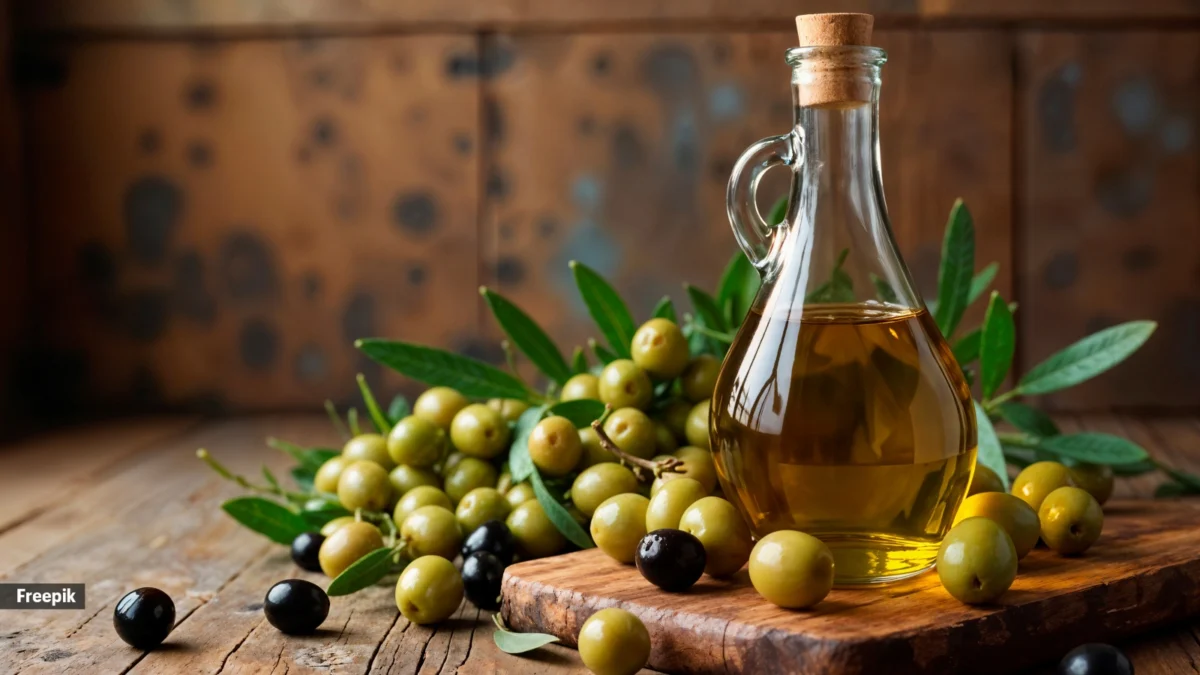
Olive oil, particularly its extra virgin variant, has long been lauded as a cornerstone of healthy eating. Its presence is ubiquitous in the pantries of those embarking on weight loss journeys or striving for a more health-conscious lifestyle. Rich in heart-friendly monounsaturated fats and potent antioxidants, it’s often perceived as a virtuous substitute for butter, ghee, and other saturated fats. However, the question that frequently arises, yet often goes unaddressed, is whether this golden elixir can be consumed without restriction. The answer, as with many aspects of nutrition, lies in the delicate balance of moderation. While olive oil undeniably offers a wealth of health benefits, its excessive consumption can, paradoxically, contribute to an unwelcome caloric surplus, potentially leading to weight gain and digestive discomfort. This in-depth exploration delves into the multifaceted relationship between olive oil and our well-being, dissecting its nutritional profile, potential pitfalls, and the art of integrating it judiciously into a balanced diet.
Understanding the Allure: Olive Oil’s Nutritional Prowess
The widespread endorsement of olive oil stems from its impressive nutritional composition. At its core, it is a liquid fat, primarily composed of monounsaturated fatty acids (MUFAs), with oleic acid being the most abundant. MUFAs are celebrated for their role in promoting cardiovascular health. They are believed to help lower LDL ("bad") cholesterol levels while potentially raising HDL ("good") cholesterol, thus contributing to a healthier lipid profile and reducing the risk of heart disease.
Beyond its fatty acid content, extra virgin olive oil (EVOO) is a treasure trove of antioxidants, including polyphenols and vitamin E. These compounds act as powerful scavengers of free radicals in the body, unstable molecules that can cause cellular damage and contribute to chronic diseases such as cancer and aging. The presence of these antioxidants is particularly pronounced in EVOO, which is produced through mechanical or physical means, preserving its natural bioactive compounds.
Compared to saturated fats like those found in butter and ghee, olive oil offers a lighter, more easily digestible option for many. This distinction has cemented its reputation as a healthier choice, especially for sautéing, dressing, and finishing dishes.
The Unspoken Caveat: "Healthy" Does Not Equate to "Unlimited"
Despite its stellar reputation, the notion that olive oil can be consumed without regard for portion size is a misconception that warrants careful examination. As Dr. K. Seshi Kiran, Senior Consultant General Physician at Yashoda Hospitals, Hyderabad, clarifies, "Olive oil is one of the healthiest fats you can add to your diet, but more is not always better." This sentiment is echoed by Dr. Manjusha Agarwal, Senior Consultant, Internal Medicine, Gleneagles Hospital, Parel, Mumbai, who states, "Olive oil is a healthy source of unsaturated fats, but it is still high in calories. Consuming large amounts regularly can add excess calories without you realizing it. Like any healthy food, moderation is the key to getting its benefits."
This fundamental principle of nutritional science – that even the healthiest foods must be consumed in moderation – is particularly relevant to calorie-dense items like oils. While the quality of calories from olive oil is superior to those from refined or saturated fats, the quantity still matters significantly in the context of overall energy balance.
The Domino Effect of Overindulgence: What Happens When You Exceed the Limit?
The calorie count of olive oil is a critical factor to consider. A single tablespoon of olive oil contains approximately 120 calories. While this may seem modest in isolation, the cumulative effect of liberal use can quickly inflate daily caloric intake. For individuals actively trying to manage their weight, this can be a significant obstacle.
"Eating excessive olive oil daily can increase your calorie intake, which may lead to gradual weight gain," warns Dr. Agarwal. This increase in caloric consumption, if not balanced by increased physical activity or reduced intake from other food sources, will inevitably contribute to a positive energy balance, leading to the storage of excess energy as body fat.
Beyond weight management, overconsumption of olive oil can also have a tangible impact on the digestive system. For some individuals, particularly those with sensitive digestive tracts, consuming large quantities of olive oil can trigger adverse reactions. Symptoms such as bloating, loose stools, or general stomach discomfort can manifest. Dr. Kiran further elaborates on potential gastrointestinal distress, noting that "some people may also experience nausea or diarrhoea, particularly after consuming large amounts or drinking olive oil on an empty stomach."
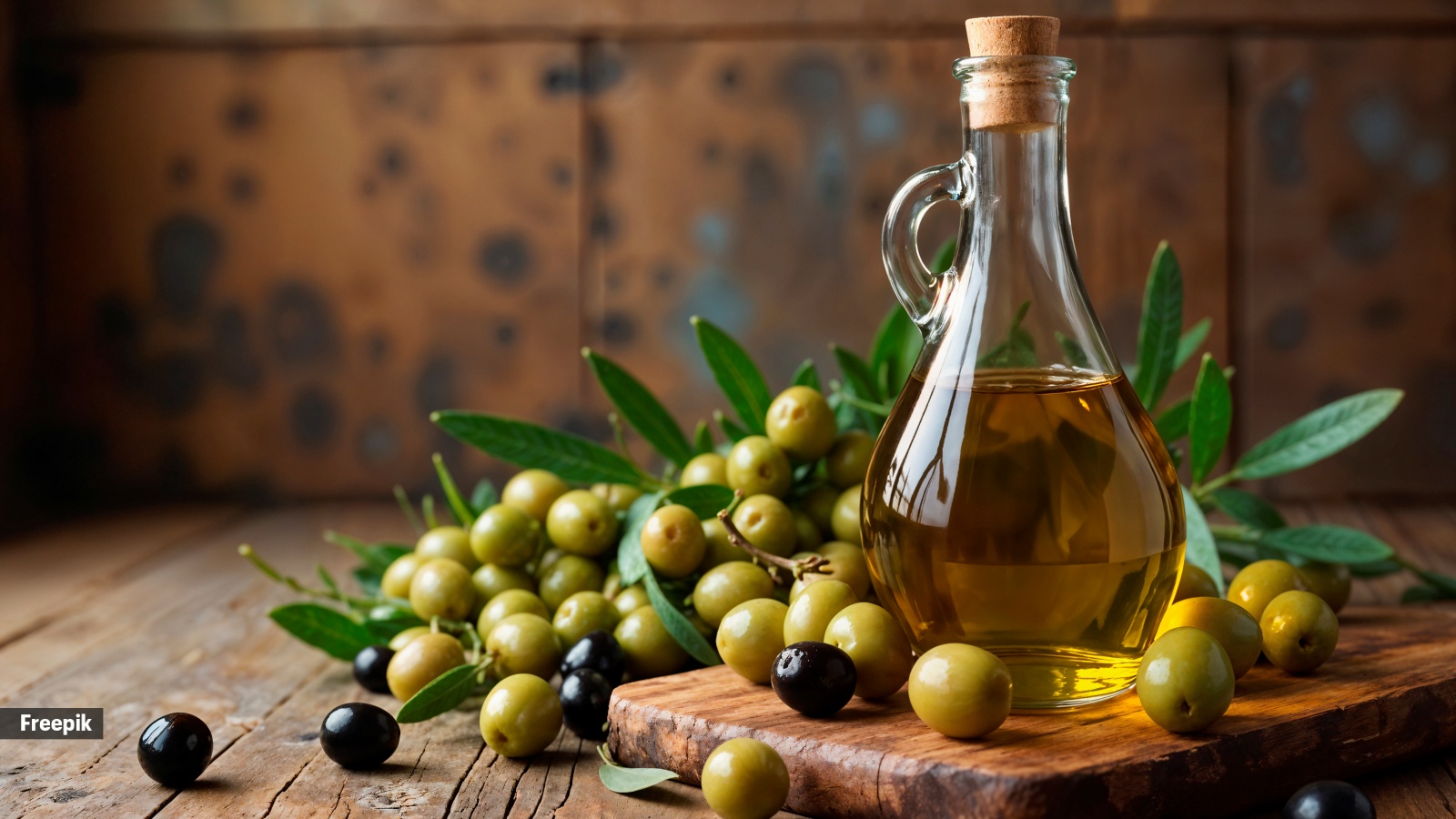
This sensitivity can be attributed to the rich fatty acid content, which can stimulate bile production and intestinal motility. While beneficial in moderate amounts, an overload can overwhelm the digestive system’s capacity to process these fats efficiently. Therefore, it’s crucial to remember that olive oil should be an integral part of a balanced diet, complementing other nutrient sources, rather than serving as the primary or sole contributor to one’s caloric intake.
Identifying Vulnerable Groups: Who Needs to Exercise Extra Caution?
While the general advice of moderation applies to everyone, certain individuals may need to be particularly vigilant about their olive oil consumption. Dr. Agarwal highlights that individuals with pre-existing digestive conditions, such as Irritable Bowel Syndrome (IBS), gallbladder disease, or those who are naturally prone to diarrhoea, may find themselves more sensitive to the effects of large olive oil quantities. For these individuals, even moderate amounts might necessitate careful monitoring and potential reduction.
Similarly, those embarking on a weight loss journey must remain acutely aware of the calorie density of olive oil. While it’s a healthier fat choice, exceeding recommended portions can undermine weight loss efforts by contributing to an unintended calorie surplus.
Furthermore, Dr. Kiran points out a specific group that requires heightened awareness: individuals managing chronic medical conditions like diabetes or high blood pressure who are on medication. He explains that olive oil might "enhance the effects" of these medications. This interaction could potentially lead to an unintended consequence, such as a drop in blood sugar levels or blood pressure that is lower than desired. It is imperative for individuals with chronic conditions or those planning any significant dietary changes to consult with their healthcare provider to ensure that their dietary choices align with their medical management plan.
The Art of Proportion: How Much is Truly Enough?
Defining a precise, universally applicable quantity of olive oil is challenging, as individual needs vary based on diet, activity level, and overall health. However, as a general guideline for most healthy adults, one to two tablespoons (approximately 15-30 ml) of extra virgin olive oil per day is considered a reasonable and beneficial amount when integrated into a balanced dietary pattern.
Both Dr. Agarwal and Dr. Kiran emphasize a crucial point: olive oil should ideally replace less healthy fats rather than be simply added to an existing diet. This means using it as a substitute for butter, ghee, processed cooking oils, or other saturated fats. The Mediterranean diet, often cited for its health benefits, exemplifies this principle. While olive oil consumption may be relatively high in these diets, it typically substitutes other fat sources, thereby maintaining a balanced caloric intake.
Dr. Agarwal suggests incorporating olive oil by drizzling it over salads and vegetables or using it for light cooking, always with a mindful eye on portion control. Dr. Kiran concurs, recommending the use of extra virgin olive oil with whole grains and as part of balanced meals, rather than viewing it as a standalone "health food" to be consumed in isolation or excessive amounts.
Conclusion: Embracing Olive Oil Wisely for Optimal Health
In conclusion, olive oil is an undeniably nutritious and valuable addition to a healthy diet. Its monounsaturated fats and antioxidants offer significant health advantages, particularly for cardiovascular well-being. However, the key to unlocking these benefits lies not in abundance, but in judicious moderation. The common assumption that "healthy" equates to "unlimited" is a pitfall that can lead to unintended weight gain and digestive issues.
By understanding the caloric density of olive oil and its potential impact on the digestive system, individuals can make informed choices about its incorporation into their meals. Prioritizing its use as a replacement for less healthy fats, being mindful of portion sizes, and integrating it into a diverse and balanced eating pattern rich in fruits, vegetables, whole grains, and lean proteins, alongside regular physical activity, will pave the way for sustained good health. As always, for personalized dietary advice, especially for individuals with pre-existing health conditions or those considering significant dietary changes, consulting a qualified health practitioner remains the most prudent course of action. The golden elixir of olive oil can indeed contribute to a vibrant life, but only when approached with knowledge, respect, and a healthy dose of moderation.
