

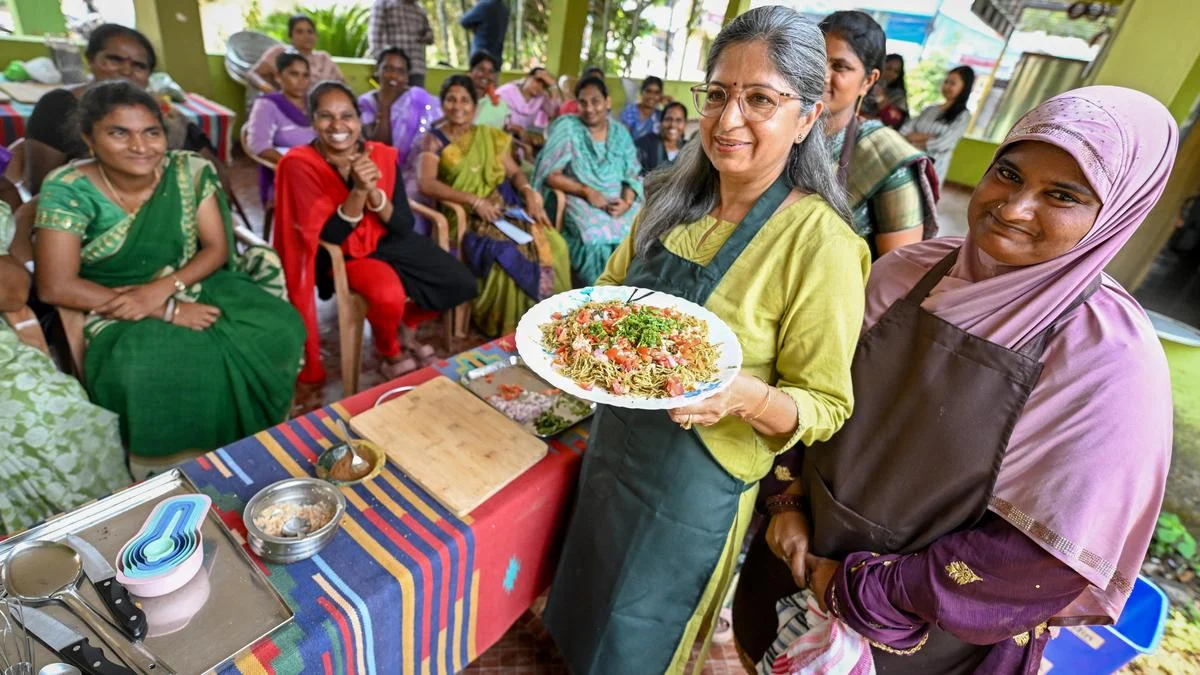
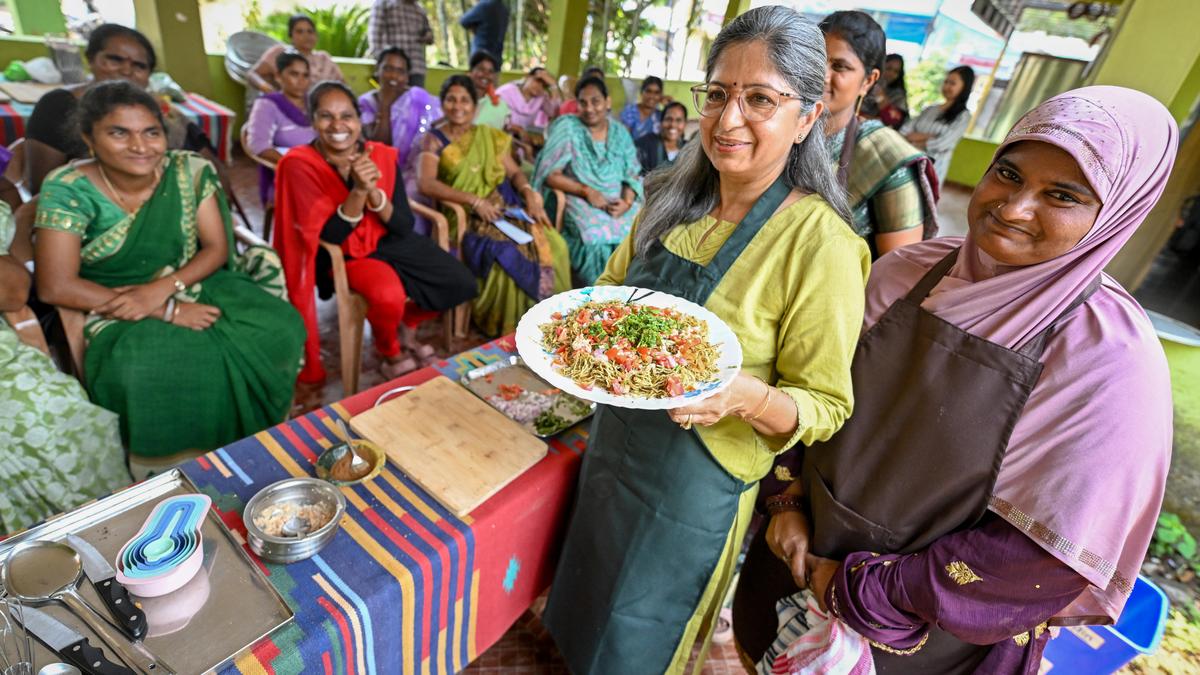
In a modest training hall at SVR Industries in Pendurthi, a suburb of Visakhapatnam, the air is thick with the earthy aroma of toasted grains and the focused energy of thirty women. They sit in a semi-circle, their attention locked on a central table where ingredients are being measured with the precision of a laboratory experiment. Jowar (sorghum) powder is meticulously folded into moong dal flour; water is added in measured intervals; and the resulting dough is kneaded until it achieves a supple, elastic consistency.
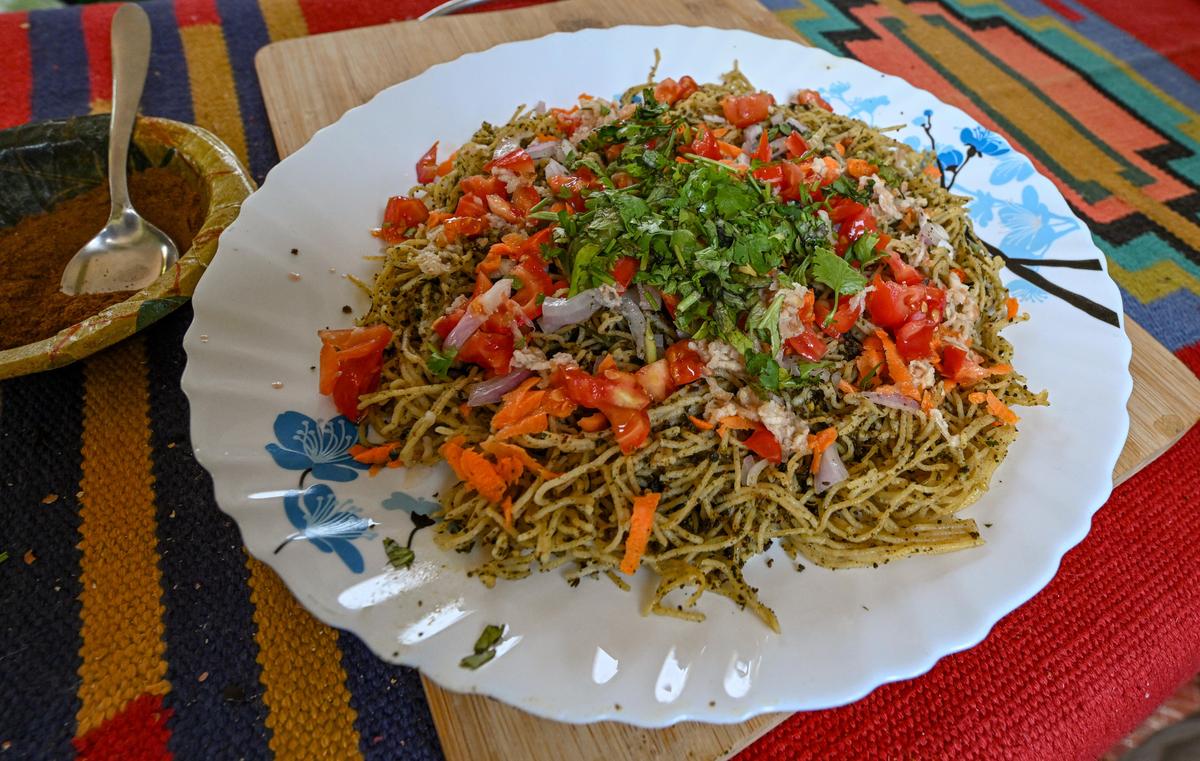
Within minutes, this traditional dough is transformed through modern machinery into thin, elegant strands of noodles. Later, these are steamed and garnished with fresh curry leaves and a savory peanut powder. This is not merely a cooking class; it is the frontline of a quiet economic revolution.
Main Facts: A New Paradigm for Rural Livelihoods
The three-day zonal training programme in Pendurthi represents a strategic convergence of nutrition, heritage, and entrepreneurship. Organized by the Society for Elimination of Rural Poverty (SERP), under the Government of Andhra Pradesh, in collaboration with Vishalakshi Innovations for Sustainable Ventures (VISV), the initiative is a cornerstone of the National Rural Livelihoods Mission (NRLM) Lakhpati Didi programme.
The "Lakhpati Didi" initiative is an ambitious national goal to enable women in Self-Help Groups (SHGs) to earn a sustainable annual income of at least ₹1 lakh. In Andhra Pradesh, the vehicle for this transformation is the "Millet Cart" enterprise. By moving beyond the cultivation of millets to value-added processing and retail, the state aims to position rural women as the primary stakeholders in a burgeoning health-food market.
The training is led by renowned nutritionist Himanshu Kapoor, whose pedagogy blends technical nutritional clarity with "cultural memory"—the traditional knowledge of millets that many rural families possess but have sidelined in the era of processed rice and wheat.
Key Objectives of the Programme:
- Skill Diversification: Moving beyond traditional porridges to "contemporary" foods like noodles, cookies, and cupcakes.
- Enterprise Building: Teaching women the "plug-and-play" business model of millet carts.
- Value Chain Integration: Ensuring women understand the journey from seed to shelf, including sourcing, costing, and waste management.
- Market Modernization: Rebranding millets to appeal to younger, urban, and health-conscious demographics.
Chronology: From Pilot to Statewide Movement
The journey of the Millet Cart enterprise began as a pilot project last year, born out of the necessity to address both rural poverty and the declining nutritional standards of the local diet.

- The Pilot Phase (2023): Initial trials were conducted to test the viability of millet-based street food. The focus was on whether traditional SHG members could adapt to standardized recipes and commercial equipment.
- Expansion and Zonal Rollout: Following the pilot’s success, the programme was scaled across 15 districts. Training sessions were strategically held in regional hubs like Chittoor, Ongole, and Kadapa to ensure geographical inclusivity.
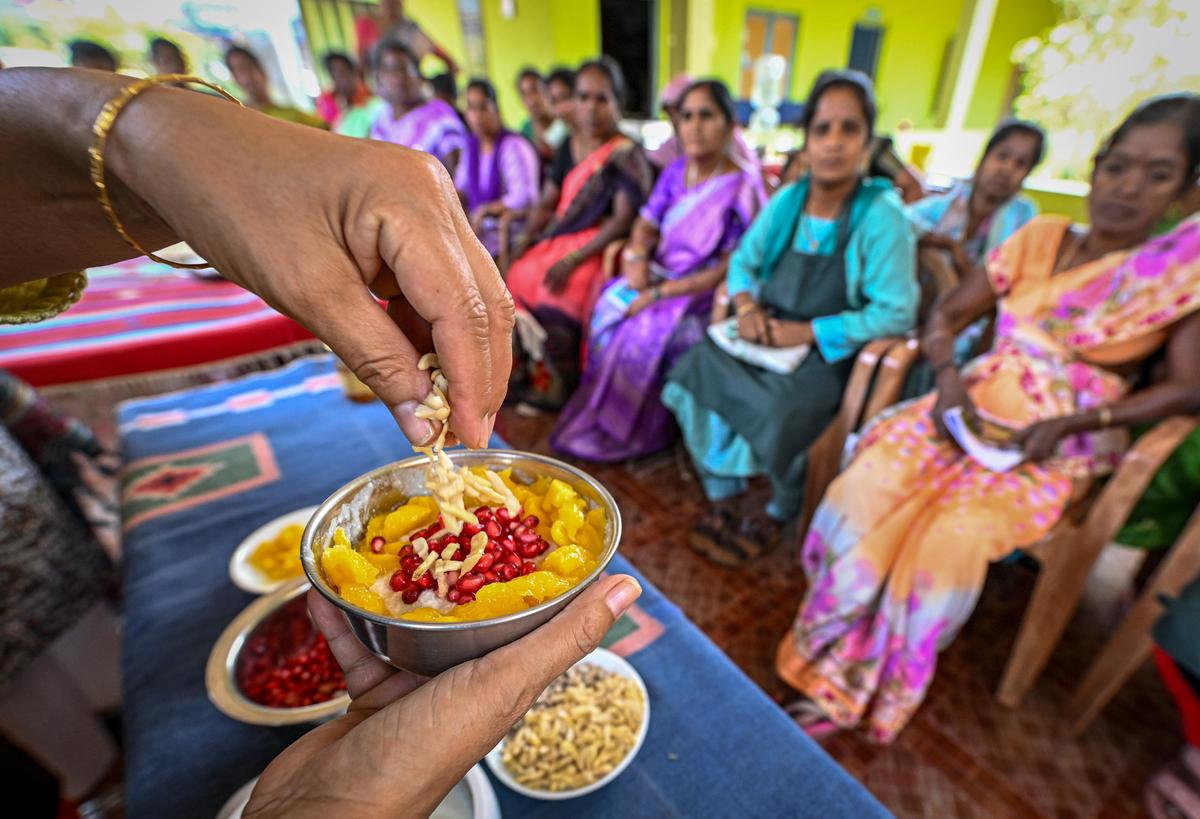
- The Pendurthi Session (Current): This latest round in Visakhapatnam brings together women from across the northern Andhra districts (Srikakulam, Vizianagaram, and Visakhapatnam). It marks a shift toward more sophisticated culinary offerings, such as fermented ragi java (porridge) repurposed into cold coffee variants and foxtail millet salads garnished with pomegranate and ginger juice.
- Future Infrastructure: The roadmap includes the establishment of an Integrated Training Centre in Pendurthi and the launch of a model "Millet Café," which will serve as a blueprint for future brick-and-mortar establishments run by women.
Supporting Data: The Economics of the Grain
The revitalization of millets is backed by compelling data regarding climate resilience and economic potential. Millets require up to 70% less water than rice and can grow in poor soil conditions without the need for heavy chemical fertilizers.
To date, the SERP-VISV partnership has achieved the following:
- Outreach: Approximately 400 women have been trained across 15 districts.
- Infrastructure: 11 specialized "plug-and-play" millet carts have already been distributed in the current phase. These carts are designed by a Hyderabad-based vendor to be mobile, hygienic, and standardized.
- Participant Profile: The majority of trainees are aged 25–45, representing a generation that bridges the gap between traditional agricultural knowledge and modern aspirational entrepreneurship.
- Diversification: While 100% of participants previously knew how to make basic millet porridge, 0% had experience in making millet-based bakery products or "fusion" items like noodles before the training.
The economic logic is clear: while raw millets fetch a modest price at the farm gate, processed products like millet cookies or ready-to-eat noodles can increase the profit margin by 300% to 500%.
Official Responses and Stakeholder Perspectives
The program’s success is rooted in its dual-leadership structure, combining government administrative power with private-sector innovation.
Vishala Reddy, Founder of Millet Bank and VISV, views the project through a historical lens. "India once had a home-level food system that was entirely self-sustained," she notes. "There was seed saving, local processing, and community-driven markets. That structure weakened as we moved toward centralized, industrial food systems. We are not just teaching recipes; we are restoring a community-level ecosystem."
Reddy emphasizes the "power of pairing"—a strategy where millets are combined with products people already enjoy, such as coffee, local mangoes, or coconut. This makes the transition to a millet-heavy diet easier for the average consumer.

Nutritionist Himanshu Kapoor highlights the behavioral shift required for success. "Millets have always been part of our food culture, but the way we consume food has changed," Kapoor explains. "We are helping these women understand how to translate nutrition into something people will buy every day. It has to be convenient, it has to be tasty, and it has to look modern."
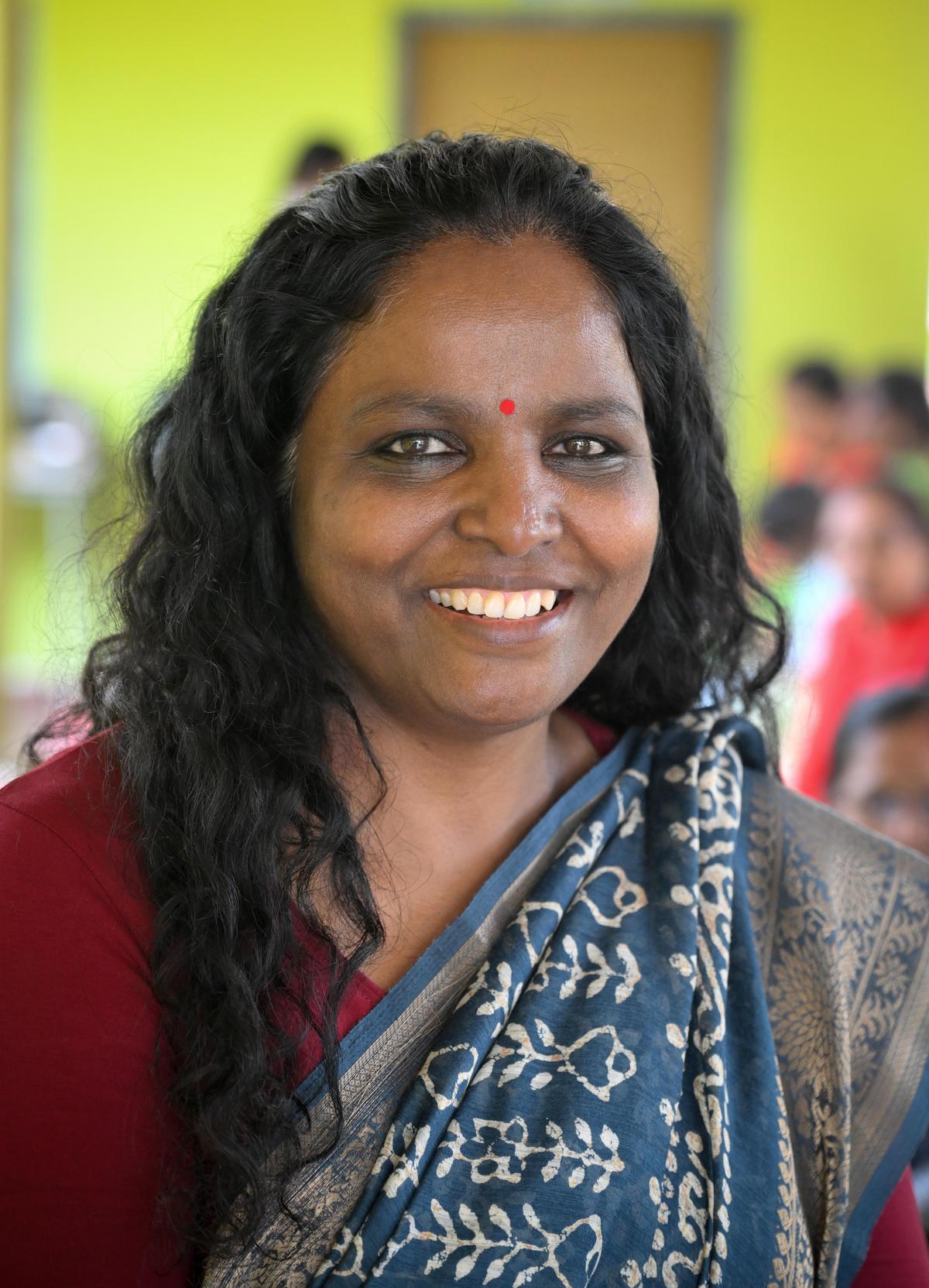
Participant N Pavani, a 32-year-old from Narsipatnam, provides the most vital perspective—that of the entrepreneur. "I used to only serve millet idli and dosa for breakfast," she says while showing her notebook filled with new recipes. "Now I can make cakes and cookies. These items stay fresh longer and attract younger customers who want snacks, not just meals. My business is no longer just a stall; it’s a brand."
Implications: Beyond the Kitchen
The implications of the Millet Cart initiative extend far beyond the individual incomes of the 400 women trained so far. This movement touches upon several critical national and global challenges:
1. Nutritional Security and Public Health
With India facing a "double burden" of malnutrition—stunting in some areas and rising diabetes/obesity in others—millets offer a solution. They are gluten-free, have a low Glycemic Index (GI), and are rich in protein and micronutrients. By making these grains available as "street food" through the millet carts, the project democratizes health food, making it accessible to the working class, not just the urban elite.
2. Women’s Agency and Social Capital
The transition from a "homemaker" to a "Lakhpati Didi" involves a profound shift in social status. As these women manage bank accounts, negotiate with vendors, and interact with customers, they build a level of agency that reshapes the power dynamics within their households and villages.
3. Climate Resilience and Sustainable Farming
By creating a steady market demand for millets, the initiative incentivizes local farmers to move away from water-intensive paddy and sugarcane. This shift is vital for the long-term water security of Andhra Pradesh’s rain-fed agricultural regions.
4. Circular Economy and Waste Management
The programme also teaches "circular applications." This includes using millet husks or processing by-products for poultry feed or organic compost, ensuring that the enterprise has a minimal environmental footprint.
Conclusion: A Vision for the Future
As the session in Pendurthi draws to a close, the participants gather to taste the fruits of their labor. The foxtail millet salad, bright with pomegranate seeds and sharp with ginger juice, is passed around. There is laughter, but there is also calculation—women discussing the cost per plate and the best locations to park their new carts.
The vision of the Andhra Pradesh government and VISV is to see thousands of these enterprises dotting the landscape, from the bustling streets of Visakhapatnam to the remote corners of Srikakulam. By equipping first-generation rural entrepreneurs with the tools of modern food science and business management, the state is doing more than just promoting a "superfood." It is cultivating a resilient, women-led economy that honors the past while firmly embracing the future.

In the hands of women like Pavani, the humble millet is no longer a "poor man’s grain"—it is the seed of a new prosperity.
