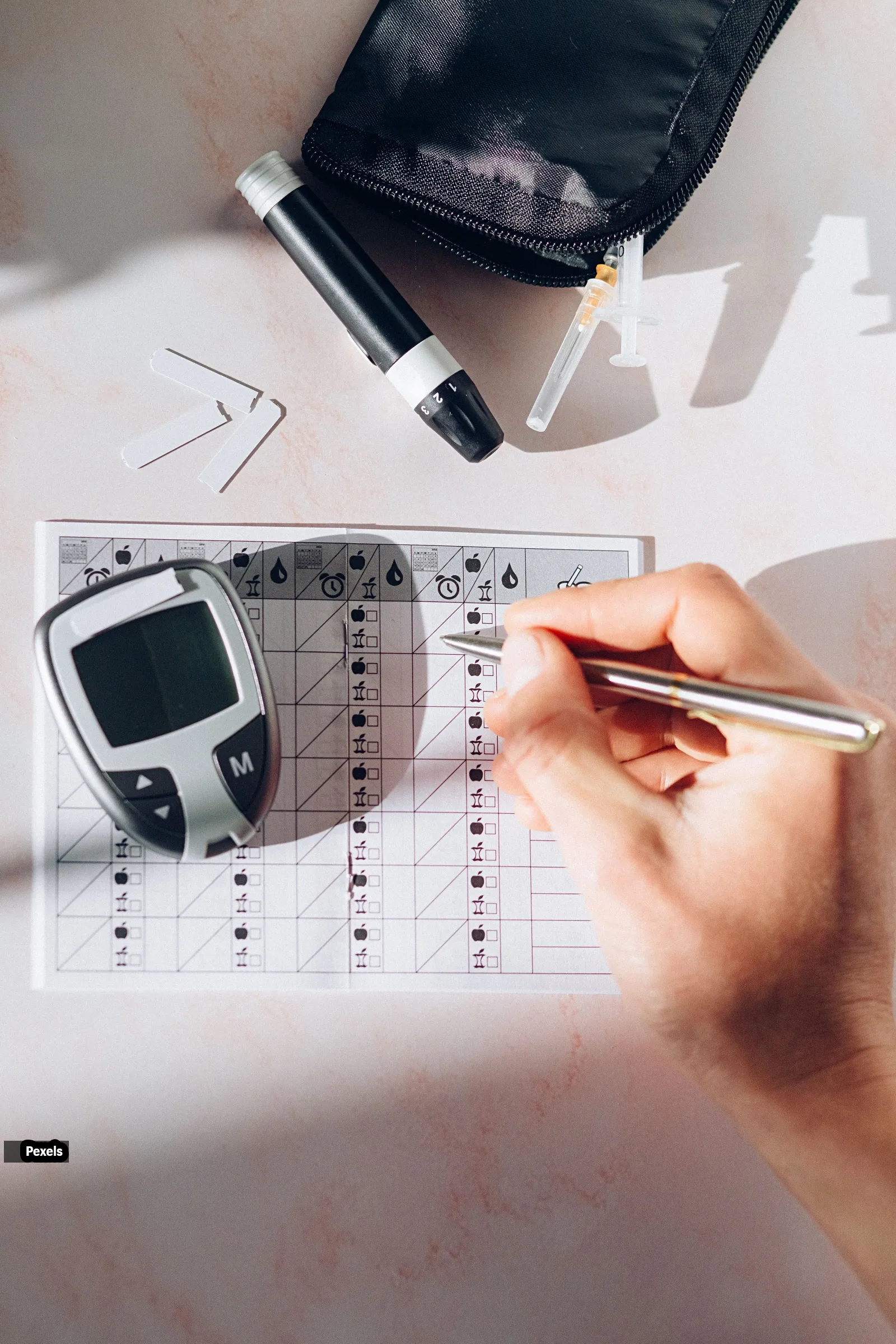
A temporary surge in blood glucose after a strenuous workout is a common, and often misunderstood, physiological response. Experts explain the science behind this phenomenon and offer guidance for managing it, particularly for individuals with diabetes.
Introduction: The Confusing Climb
For individuals striving to manage their health, especially those with diabetes, exercise is typically heralded as a cornerstone of effective blood sugar control. The fundamental principle is straightforward: muscles utilize glucose for energy, leading to a decrease in blood glucose levels. However, the reality can sometimes present a perplexing paradox. Many individuals, upon checking their glucose meters after a workout, are met with a reading that has actually increased rather than decreased. This can lead to confusion and concern, prompting questions about whether the exercise is indeed beneficial or potentially detrimental.
This article delves into the intricate physiological mechanisms that can cause a temporary rise in blood sugar following physical activity. We will explore the specific types of exercises most likely to trigger this response, the factors that influence individual reactions, and crucial advice for managing these fluctuations, particularly for those living with diabetes. Far from signaling a failed workout, this temporary surge often represents a complex interplay between the body’s energy demands and its sophisticated hormonal responses.
The Science Behind the Surge: Hormones and Energy Demands
The seemingly counterintuitive rise in blood sugar after exercise is rooted in the body’s sophisticated stress response system. When engaging in physical exertion, particularly of higher intensity, the body perceives this as a demand for immediate and significant energy. To meet this demand, a cascade of hormones is released, fundamentally altering glucose metabolism.
"Exercise generally helps blood sugar because muscles use glucose for energy," explains Dt. Archana Batra, a Dietitian and Certified Diabetes Educator. "However, during exercise, the body releases stress hormones such as adrenaline, noradrenaline, and cortisol."
These hormones act as crucial signaling molecules, orchestrating a rapid mobilization of stored energy. "These hormones signal the liver to release stored glucose into the bloodstream to give energy for muscles," Dr. Batra elaborates. "If the liver releases glucose faster than the muscle uses it, then blood sugar can rise temporarily during or right after exercise."
Dr. Rajiv Kovil, a Diabetes & Obesity Specialist at Zandra Healthcare, echoes this explanation, highlighting the dual nature of exercise’s impact on glucose. "Exercise normally lowers glucose because working muscles take up glucose and become more insulin-sensitive," he states. "However, the body can perceive strenuous exercise as a form of physiological stress."
This perception of stress triggers the release of a potent cocktail of hormones. "Stress hormones—particularly adrenaline, noradrenaline, cortisol, and glucagon—rise and signal the liver to release stored glucose through glycogenolysis and gluconeogenesis," Dr. Kovil explains. Glycogenolysis is the breakdown of stored glycogen in the liver into glucose, while gluconeogenesis is the creation of glucose from non-carbohydrate sources. "If this hepatic glucose output temporarily exceeds what the exercising muscles consume, blood glucose can rise," he adds.
For individuals with diabetes, this physiological response can be more pronounced. Their bodies may not produce sufficient insulin, or their cells may not respond effectively to insulin, to counteract the surge of glucose released by the liver. This can lead to a more significant and potentially concerning elevation in blood sugar levels compared to individuals without diabetes.
Chronology of a Spike: Understanding the Timing
The timing of blood sugar fluctuations after exercise is a critical aspect of understanding this phenomenon. While a rise can occur during exercise, it is often most noticeable in the immediate post-workout period as the body transitions from exertion to recovery.
As the body engages in strenuous activity, the surge of counter-regulatory hormones like adrenaline and cortisol is at its peak. This drives the liver to release glucose to fuel the working muscles. If the intensity of the exercise is high, the rate of glucose release from the liver can temporarily outpace the rate at which muscles are consuming it. This leads to a transient increase in blood glucose levels observed immediately after the exercise session concludes.
However, as the workout ends and the body begins to recover, the production of these stress hormones typically subsides. This reduction in hormonal signaling allows the liver to decrease its glucose output. Concurrently, the muscles, having been depleted of glucose during exercise, continue to have an increased capacity to take up glucose from the bloodstream, and the body’s insulin sensitivity often remains elevated for several hours post-exercise. This combination of decreased glucose release and increased glucose uptake gradually brings blood sugar levels back down.
The crucial factor is not necessarily the initial spike itself, but rather the subsequent return to baseline. "What matters is whether blood sugar comes down and what the overall pattern looks like rather than focusing on one post-workout schedule," emphasizes Dr. Batra. A healthy response involves the blood sugar levels normalizing within a reasonable timeframe after the initial post-exercise surge.
Supporting Data: Which Workouts Are More Likely to Cause a Spike?
Not all exercise regimens elicit the same response from the body. The intensity and type of physical activity play a significant role in determining whether a post-workout blood sugar spike is likely.
High-intensity activities are the primary culprits. These include:
- High-Intensity Interval Training (HIIT): The rapid bursts of intense effort followed by short recovery periods characteristic of HIIT trigger a significant release of adrenaline and other stress hormones, leading to a robust glucose release from the liver.
- Sprinting and Other High-Speed Running: Similar to HIIT, the maximal effort required for sprinting demands a rapid influx of energy, prompting the body to mobilize glucose quickly.
- Heavy Resistance Training: Lifting very heavy weights, particularly during compound exercises that engage multiple muscle groups (such as squats, deadlifts, and bench presses), can place a substantial physiological demand on the body. This can lead to a strong hormonal response and a subsequent rise in blood sugar. Dr. Kovil notes, "Adrenaline stimulates the liver to rapidly release glucose so that muscles have immediate fuel available." He further clarifies that "Heavy strength training can have a similar effect, particularly during intense sets or compound exercises."
- Very Strenuous or Competitive Exercise: Any activity that pushes an individual to their physiological limits, whether in a competitive setting or during a personal challenge, is likely to induce a significant stress hormone response.
In contrast, moderate-intensity activities tend to have a more consistently blood-sugar-lowering effect. These include:

- Brisk Walking: Sustained walking at a pace that elevates heart rate but still allows for conversation.
- Steady-State Cycling: Maintaining a consistent pace on a bicycle.
- Swimming: Regular swimming, especially at a moderate intensity.
These activities primarily rely on the muscles’ ongoing uptake of circulating glucose, with less of a demand for rapid mobilization of stored reserves. As a result, they are more likely to lead to a reduction in blood sugar levels.
It is also important to acknowledge that individual responses can vary significantly. Factors beyond the exercise type itself can influence post-workout glucose readings:
- Carbohydrates Consumed Before Exercise: If a significant amount of carbohydrates is ingested shortly before a workout, particularly a high-intensity one, there may be more glucose available in the bloodstream to contribute to a post-exercise rise.
- Starting Blood Sugar Levels: An individual’s glucose level before commencing exercise can impact the subsequent reading.
- Dehydration: Dehydration can concentrate blood glucose, potentially leading to higher readings even if the actual amount of glucose in the body hasn’t increased significantly.
- Stress and Sleep: General stress levels and the quality of sleep can influence hormonal balance and glucose regulation, affecting exercise responses.
Official Responses and Expert Guidance: Navigating the Rise
The consistent observation of post-exercise blood sugar spikes, especially among individuals with diabetes, has prompted guidance from health professionals and diabetes educators. The consensus emphasizes understanding individual patterns and seeking professional advice rather than making drastic changes to exercise routines.
When is a Post-Workout Rise Normal?
A modest, temporary rise in blood sugar immediately after vigorous exercise is generally considered a normal physiological response. The key indicator of a healthy adaptation is the subsequent return of blood glucose levels to their baseline. "A modest rise immediately after vigorous exercise can be a normal physiological response," states Dr. Batra. "As the body recovers and stress-hormone levels fall, blood sugar should generally start moving back towards its usual level."
However, individuals with diabetes must remain vigilant for signs that a spike might be problematic. Dr. Batra advises, "A person with diabetes should pay more attention if the rise is persistent, repeatedly very high or accompanied by symptoms such as excessive thirst, frequent urination, nausea, abdominal discomfort, unusual weakness or difficulty breathing."
When to Be Cautious with Type 1 Diabetes:
Individuals with type 1 diabetes require particular caution when experiencing significant post-exercise hyperglycemia, especially if accompanied by symptoms. Dr. Kovil recommends, "Dr. Kovil advises checking blood or urine ketones when blood sugar is above 250 mg/dL, particularly if it is accompanied by symptoms. Significant hyperglycaemia with ketones is a reason to postpone strenuous exercise and follow the person’s diabetes sick-day plan, as exercise can worsen high blood sugar and increase the risk of diabetic ketoacidosis." Diabetic ketoacidosis (DKA) is a serious, life-threatening complication of diabetes.
What if Your Blood Sugar Rises After Exercise Every Time?
Repeated post-workout spikes do not necessitate abandoning exercise altogether. Instead, experts advocate for a systematic approach to identify patterns and potential adjustments.
"If this blood sugar rise happens regularly the person should not stop exercising," stresses Dr. Batra. "First they should look for a pattern they should track blood sugar before and after exercise along with the workout’s intensity and the time difference between meals or snacks eaten before."
Strategies for Management:
- Track and Monitor: Consistent monitoring of blood glucose levels before, immediately after, and one to two hours post-exercise is crucial. Recording the type, duration, and intensity of the workout, along with meal times and insulin or medication usage, can help identify trends. Continuous glucose monitoring (CGM) devices can provide even more granular data and help pinpoint specific triggers.
- Consider Adding Moderate Activity: If spikes are consistently observed after high-intensity workouts like HIIT or heavy resistance training, incorporating 10-20 minutes of moderate-intensity aerobic activity, such as a brisk walk or steady cycling, post-workout may help muscles utilize circulating glucose more effectively.
- Hydration is Key: Ensuring adequate hydration before, during, and after exercise is vital, as dehydration can exacerbate blood sugar readings.
- Cautious Insulin Adjustment: For individuals using insulin, it is imperative not to automatically administer a large corrective dose to counter a post-exercise spike without medical consultation. Exercise can increase insulin sensitivity for many hours, potentially leading to delayed hypoglycemia (low blood sugar). "Importantly one should not automatically take insulin to fix every post-workout rise without medical advice because insulin sensitivity can stay high for hours after exercise and may lead to low blood sugar later," warns Dr. Batra. Any adjustments to insulin dosages should be made in consultation with a healthcare provider.
Implications: A Balanced Perspective on Exercise and Blood Sugar
The post-exercise blood sugar spike, while initially confusing, is a normal physiological response for many, particularly after intense physical activity. It does not inherently signify that exercise is detrimental to blood sugar management. The critical takeaway is to understand the nuances of this response and to focus on the overall pattern of blood glucose control.
The long-term benefits of regular exercise for cardiovascular health, insulin sensitivity, weight management, and overall well-being far outweigh the temporary fluctuations that may occur. For individuals with diabetes, exercise remains a powerful tool for managing the condition.
The key implications are:
- Education is Paramount: Understanding the hormonal mechanisms behind post-exercise blood sugar rises empowers individuals to manage their condition more effectively and reduce anxiety.
- Personalized Approach: There is no one-size-fits-all approach. Individual responses to exercise vary, necessitating personalized monitoring and adjustment strategies.
- Focus on Long-Term Trends: Emphasize the overall trend of blood sugar control rather than fixating on isolated post-workout readings.
- Professional Guidance is Essential: Any concerns about persistent, unusually high, or symptomatic post-exercise blood sugar spikes should be discussed with a doctor or certified diabetes educator. They can help tailor exercise plans, dietary recommendations, and medication regimens to optimize individual health outcomes.
Ultimately, a short-lived rise in blood sugar after an intense workout is not a cause for alarm. By adopting a proactive, informed, and personalized approach, individuals can continue to reap the profound benefits of exercise while effectively managing their blood glucose levels.
Disclaimer: This article is based on information from the public domain and/or the experts we spoke to. It is intended for informational purposes only and does not constitute medical advice. Always consult your health practitioner before starting any new exercise routine or making any changes to your diabetes management plan.