

Main Facts: The Return to Fresh, Additive-Free Wellness
In an era increasingly defined by "clean label" diets and a move away from ultra-processed foods, the humble pomegranate has emerged as a cornerstone of the modern wellness movement. Known in India as Anar, the pomegranate is no longer just a seasonal delicacy but a global "superfruit" sought after for its high concentration of polyphenols and antioxidants. However, as consumers grow wary of store-bought juices—which often contain hidden sugars, preservatives, and the flavor-altering effects of flash pasteurization—a significant shift toward home extraction has taken root.
The process of creating fresh pomegranate juice is both an art and a science. Unlike citrus fruits, which can be easily squeezed, the pomegranate requires a meticulous approach to extract its vibrant liquid from the hundreds of individual arils (seed pods) nestled within a bitter white pith. Recent culinary data suggests that homemade versions are not only nutritionally superior but also offer a flavor profile that ranges from naturally sweet to elegantly tart, depending on the fruit’s variety.

According to culinary expert Dassana, the founder of Veg Recipes of India, the secret to a perfect glass of pomegranate juice lies in two primary factors: the method of extraction and the avoidance of seed bitterness. By utilizing either a high-speed blender or an electric juicer, enthusiasts can produce a beverage that retains its bioactive compounds without the grit or astringency often associated with commercial processing.
Chronology: From Ancient Fruit to Modern Glass
The journey of the pomegranate juice from the orchard to the table involves a precise sequence of events designed to maximize yield while minimizing mess—a historical deterrent for many home cooks.

Step 1: Selection and Quality Control
The chronology begins with the identification of a "juice-heavy" fruit. Experts suggest that weight is the primary indicator of quality; a pomegranate that feels heavy for its size is dense with moisture. While the skin color can vary from a dusty rose to a deep crimson, it is the firmness and lack of soft spots that determine the fruit’s integrity. Interestingly, the color of the skin is not always indicative of the sweetness of the arils inside.
Step 2: The Hydro-Extraction Method
To combat the notorious staining properties of pomegranate juice, a refined "water-submersion" technique has become the industry standard for home prep. After slicing the crown and quartering the fruit, the pieces are submerged in a large bowl of water. This allows the cook to manually loosen the arils. Because the white pith is lighter than water, it floats to the surface, while the juice-heavy arils sink to the bottom. This chronological pivot point is essential for ensuring the final juice is free of the bitter membranes that can ruin the flavor profile.

Step 3: The Mechanical Extraction
Once the arils are drained, the process moves to extraction.
- The Blender Method: This is the most accessible route for most households. The arils are pulsed—never continuously blended—to break the juice sacs without pulverizing the hard inner seeds.
- The Electric Juicer Method: For those seeking a higher yield and a clearer consistency, an electric or slow juicer uses mechanical pressure to crush the arils, automatically separating the pulp and seeds from the liquid.
Step 4: Refinement and Presentation
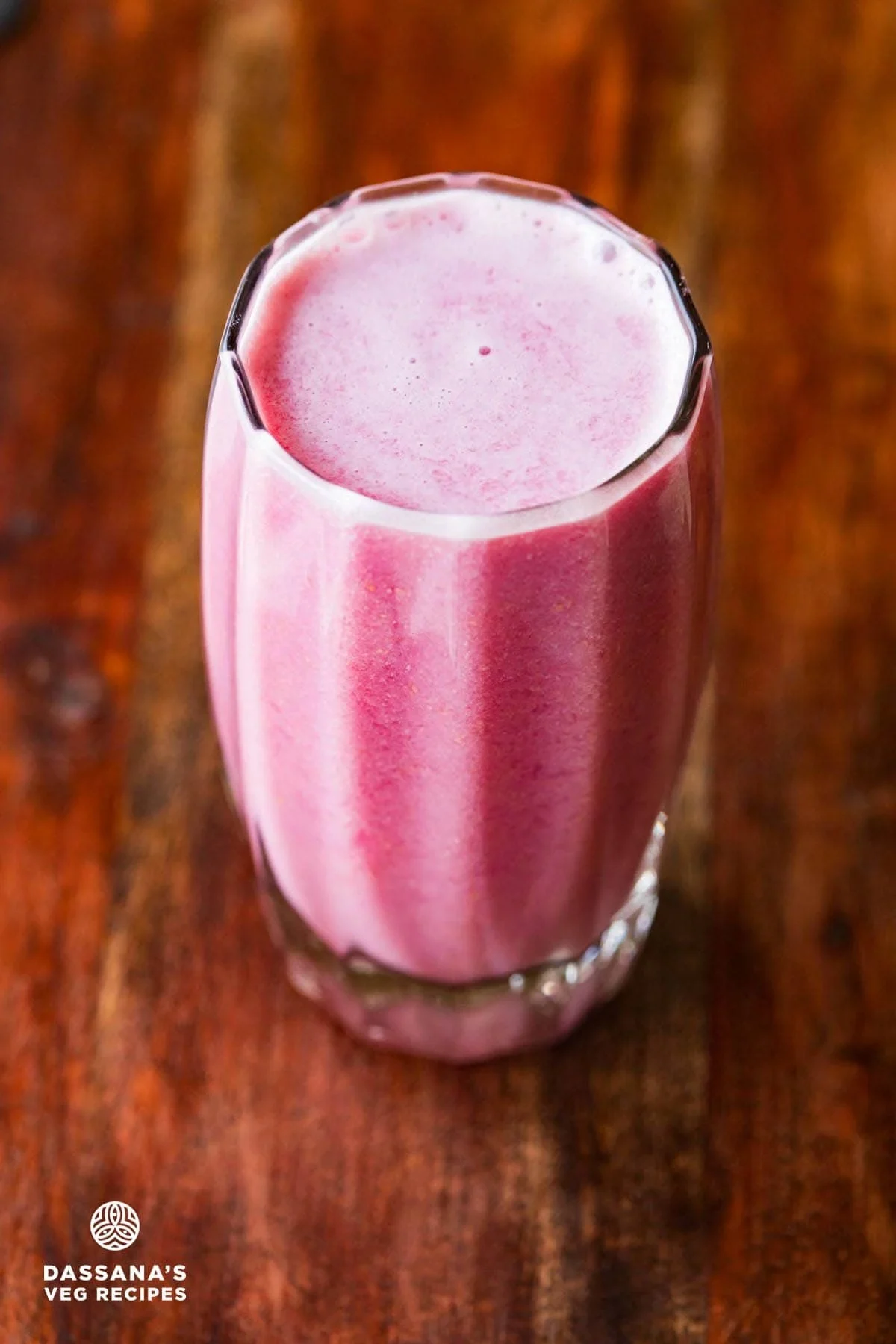
The final stage involves straining the mixture through a fine-mesh sieve. This removes any remaining sediment, resulting in a smooth, ruby-red liquid. The juice is best served immediately to prevent the oxidation of its delicate antioxidants.

Supporting Data: A Nutritional Powerhouse
The demand for homemade pomegranate juice is backed by a robust nutritional profile. Data provided by culinary analysts reveals that a standard two-serving batch of fresh juice contains a complex array of vitamins and minerals that far exceed the values found in diluted concentrates.
Nutritional Breakdown (Per 2-Serving Batch):
- Energy: 234 kcal
- Macronutrients: 53g of carbohydrates (natural sugars), 5g of protein, and 3g of healthy fats.
- Micronutrients:
- Vitamin C: 29mg (Essential for immune function).
- Vitamin K: 46µg (Critical for bone health and blood clotting).
- Potassium: 666mg (Vital for heart health and blood pressure regulation).
- Folate (B9): 107µg (Key for DNA synthesis and repair).
- Bioactive Compounds: The juice is rich in polyphenols, specifically punicalagins and anthocyanins, which are responsible for its anti-inflammatory properties.
The Grittiness Variable
A critical piece of supporting data for home juicers is the "Tannin Threshold." When pomegranate seeds are ground too finely (a common mistake in high-speed blending), the internal tannins are released. This not only introduces a gritty texture but also a sharp bitterness that masks the natural sweetness of the fruit. This is why "pulsing" is the recommended technique over "blending."

Official Responses: Expert Insights on Home Juicing
Culinary authorities and nutritionists have weighed in on the benefits of the DIY approach to pomegranate juice. Dassana, whose recipe has become a benchmark for home cooks, emphasizes the importance of varietal awareness.
"Pomegranate varieties differ naturally in color," Dassana notes. "Your homemade juice may be lighter or darker depending on the fruit. Pale arils do not necessarily mean the fruit is unripe; they can be incredibly sweet." This insight challenges the consumer misconception that only deep-red juice is "high quality."

From a health perspective, nutritionists argue that the absence of added sugars in homemade versions is a significant public health benefit. Commercial juices often list "pomegranate juice" as the primary ingredient but supplement the flavor with apple or grape juice concentrates to lower costs, which can spike the glycemic index of the beverage. By making the juice at home, consumers ensure they are ingesting 100% pure pomegranate nectar.
Furthermore, culinary experts suggest that the "waste" from the juicing process—the seeds and skins—has untapped potential. While the pith is discarded for taste, the skins are often used in traditional medicine or dried for use in cosmetics, highlighting the fruit’s role in a circular economy.

Implications: The Future of Functional Beverages
The shift toward homemade pomegranate juice has several long-term implications for the food industry and consumer behavior.
1. The Decline of Commercial "Health" Drinks
As consumers become more educated on the mechanics of juicing, the "premium" price tag of bottled pomegranate juices is becoming harder to justify. The implication is a potential decrease in market share for big-brand juice companies unless they can prove a "cold-pressed" or "HPP" (High-Pressure Processing) method that rivals the freshness of home extraction.

2. Agricultural Demand and Varietal Diversity
The popularity of home juicing is driving a demand for specific pomegranate cultivars. In India, varieties like ‘Bhagwa’ and ‘Ganesh’ are being sought out for their high juice content and sweetness. This encourages farmers to maintain biodiversity rather than focusing solely on the "pretty" fruit destined for supermarket shelves.
3. Sustainability and Zero-Waste Living
Home juicing allows for a more sustainable consumption model. Leftover juice can be frozen into ice cubes or popsicles, reducing food waste. Additionally, by eliminating the need for plastic or glass bottling and the carbon footprint of refrigerated transport, DIY juicing represents a significant win for the environmentally conscious consumer.

4. Integration into Culinary Medicine
The high potassium and folate content of fresh pomegranate juice is increasingly being integrated into "culinary medicine" programs. Doctors are more frequently recommending fresh juices as a supplement to traditional treatments for hypertension and oxidative stress. The ease of the blender method ensures that these health benefits are accessible to a wider demographic, regardless of their access to specialized kitchen equipment.
Conclusion
The resurgence of homemade pomegranate juice is more than a culinary trend; it is a reclamation of nutritional autonomy. By mastering the simple chronology of extraction—from the clever water-immersion method to the careful pulsing of a blender—consumers are unlocking a potent source of vitamins and antioxidants. As the data shows, the 234 calories in a fresh glass of Anar juice offer far more than just hydration; they provide a sophisticated blend of micronutrients that modern processing simply cannot replicate. In the quest for longevity and health, the most powerful tools may not be found in a pharmacy, but in a bowl of water and a handful of ruby-red arils.
