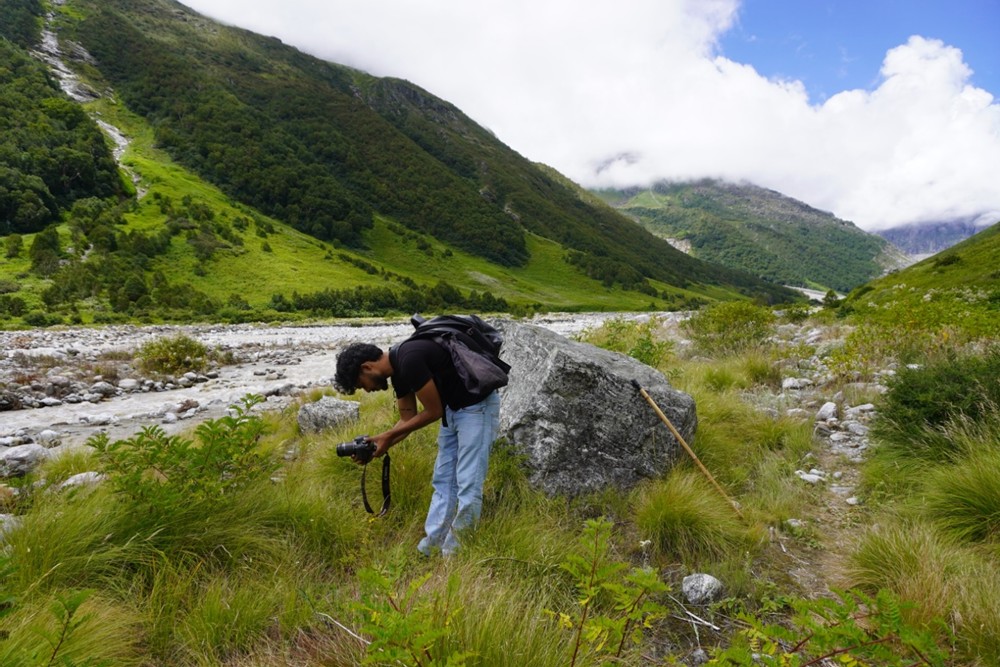
In the picturesque heights of Tangmarg, a gateway to the world-famous ski resort of Gulmarg in Jammu and Kashmir, the landscape is defined by its pristine alpine beauty. However, in September 2024, Kuntal Saha, a taxonomist from the Forest Research Institute (FRI), Dehradun, looked past the panoramic vistas of the Baramulla District and noticed something troubling at his feet. Growing along the roadside, amidst the dust of passing tourist vehicles, was a population of grass that seemed out of place.
Saha, who was on his first visit to the region, had already spotted a similar grass near his houseboat in Srinagar. To the untrained eye, it was merely another patch of greenery. To a taxonomist, it was a biological "alien."
This discovery was not an isolated event but the culmination of a scientific detective story spanning three decades. Recent research has now confirmed that Cynodon nlemfuensis, commonly known as African Bermuda grass, has successfully naturalized in India, establishing self-sustaining populations from the tropical Western Ghats to the temperate reaches of the Himalayas. Its presence highlights a systemic failure in biological surveillance and a critical "taxonomic lag" that may be costing the Indian economy billions of dollars.
Main Facts: Identifying the African Bermuda Grass
The genus Cynodon holds a dual status in India. On one hand, species like Cynodon dactylon—known locally as doob, durba, or dubari—are culturally sacred and economically vital as fodder and turf. On the other hand, the introduction of non-native relatives can disrupt local ecosystems.
Cynodon nlemfuensis, native to Central and East Africa, is a robust, stoloniferous perennial grass. Unlike the native varieties, it is often more aggressive in its growth patterns. The researchers’ report, recently published in a peer-reviewed study, confirms that this species is no longer a "casual alien" (a visitor that fails to establish) but is now "naturalized." Naturalization occurs when an introduced species can sustain self-reproducing populations in the wild without human intervention.
The study confirms the presence of the grass in four distinct Indian states:
- Tamil Nadu (Southern India)
- Kerala (Southern India)
- Uttarakhand (Northern Himalayas)
- Jammu and Kashmir (Northern Himalayas)
The fact that an African grass can thrive in both the humid tropics of Kerala and the cool temperate climate of Kashmir demonstrates a "remarkable ecological adaptability," according to Saha. This plasticity makes it a formidable candidate for becoming a full-scale invasive species.
Chronology: A Thirty-Year Botanical Mystery
The road to identifying Cynodon nlemfuensis in India was long and fraught with taxonomic hurdles.
- 1995: The journey began when Indian Forest Service (IFS) Officer Manoj Chandran (now retired) collected an unusual specimen of Cynodon in Tamil Nadu. At the time, the grass was so similar to native species that it could not be definitively identified.
- 1995–2023: Over nearly thirty years, Chandran and his mentee, Kuntal Saha, continued to collect specimens during botanical explorations across the country. They noticed the grass appearing in geographically diverse regions, suggesting a silent spread.
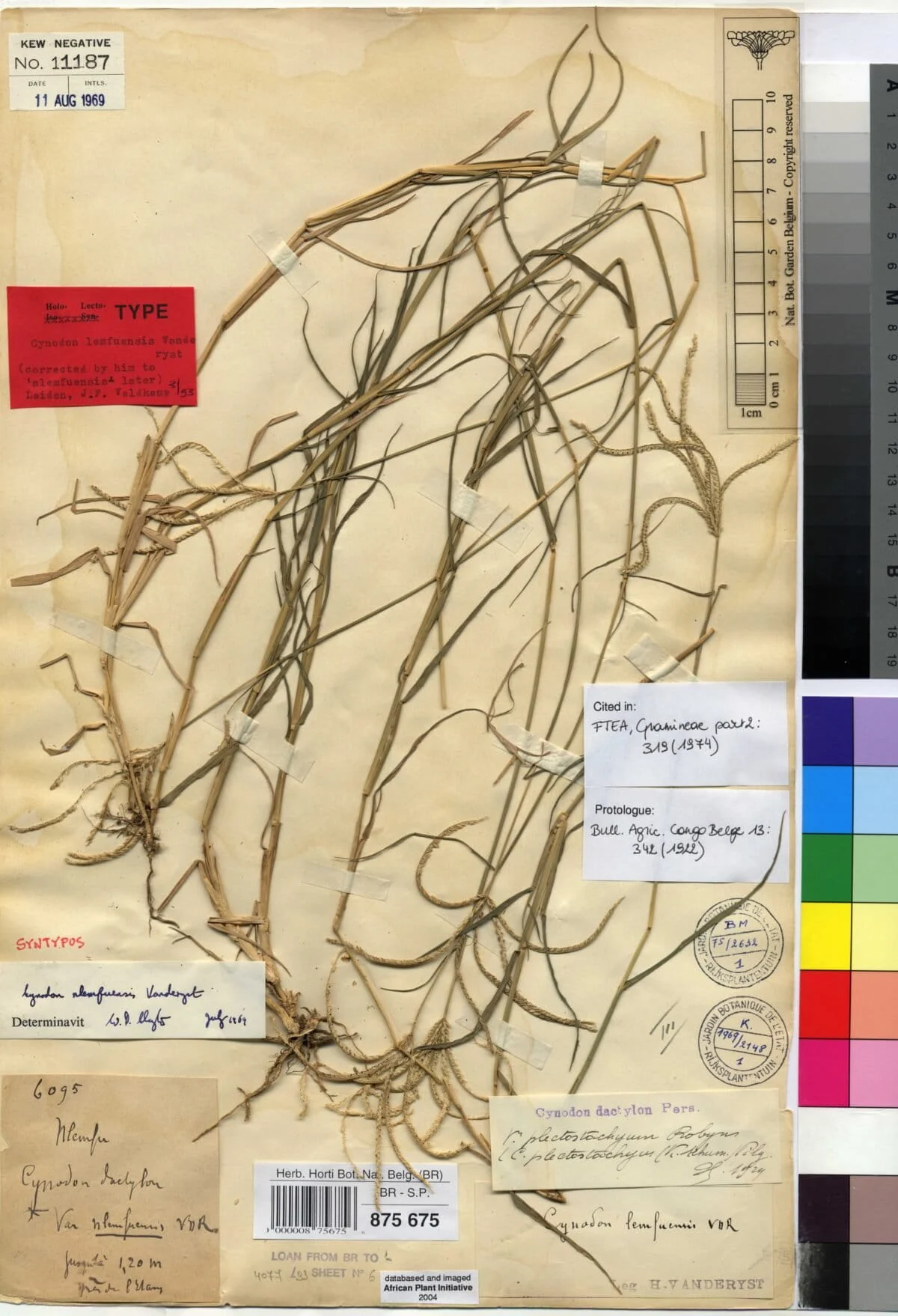
- 1917–1918: To solve the mystery, researchers had to look back over a century. They consulted type specimens originally collected from the Democratic Republic of Congo in 1917.
- 2024: Kuntal Saha’s field trip to Jammu and Kashmir provided the final piece of the puzzle. The discovery of the grass in Tangmarg and Srinagar confirmed the species had reached the northernmost reaches of the country.
- Late 2024: The researchers officially reported the naturalization of the species, designating a representative voucher specimen at the Dehra Dun Herbarium (DD) for future reference.
The 30-year gap between the first collection and official reporting is not unusual but is deeply problematic. Statistics show the average delay between the first identification of a naturalized species and its publication is 27 years, with some lags exceeding a century.
Supporting Data: The High Cost of Biological Invasions
The naturalization of Cynodon nlemfuensis is more than a botanical curiosity; it is an economic and ecological red flag. Biological invasions are among the greatest threats to global biodiversity and food security.

The Economic Burden
According to a 2022 study led by invasion biologist Alok Bang, an Assistant Professor at Azim Premji University, the economic cost of biological invasions in India between 1960 and 2020 is estimated to be between $127 billion and $182 billion. These costs stem from crop losses, damage to infrastructure, and the massive expenditures required for management and eradication.
The Invasion Mechanism
The researchers noted that the African Bermuda grass is primarily colonizing "invasion corridors." These include:
- National Highways: Roadside verges provide disturbed soil where alien species can establish without competition from native flora.
- Tourism Hubs: The movement of people and vehicles facilitates the transport of seeds.
- Disturbed Habitats: Infrastructure projects and land-clearing create the perfect "open" environment for Cynodon nlemfuensis to take root.
The study warns that if left unchecked, the grass could spread into Central India and deeper into the Himalayan highlands, potentially crossing borders into neighboring countries.
Official Responses: Systemic Gaps and Taxonomic Decline
The delay in identifying the African Bermuda grass has sparked a conversation among experts about India’s readiness to handle biosecurity threats.
The Identification Crisis
Ninad Avinash Mungi, an assistant professor at Aarhus University and a specialist in biological invasions, notes that grasses are notoriously difficult to identify. "Many species are difficult to distinguish, especially outside the flowering season or in heavily grazed landscapes," Mungi explained. He argues that this study highlights how taxonomic challenges allow invasive plants to remain "under the radar" for decades, delaying critical management interventions.

The Digitization Gap
Achyut Kumar Banerjee, an ecologist at Azim Premji University and co-founder of the Indian Alien Flora Information Database (ILORA), points to a lack of infrastructure. "Indian herbaria, both national and regional, often lack digitized collections," Banerjee said.
In this case, researchers had to compare their samples with type specimens held in Belgium. The lack of handy, digitized information in India makes cross-checking new collections an arduous, time-consuming task. Banerjee emphasizes that herbarium digitization should not be an academic luxury but a core component of "invasion biosecurity infrastructure."
Policy and Institutional Frameworks
Alok Bang highlights a significant policy gap: the lack of a centralized authority for invasive species. "A species cannot be managed until it is detected and communicated to relevant authorities," Bang remarked. Currently, responsibilities are dispersed across various departments—agriculture, forestry, and animal husbandry—leading to a lack of coordination.
Implications: A Call for Biosecurity Reform
The naturalization of Cynodon nlemfuensis serves as a template for the challenges India faces in an era of globalization and climate change. The implications of this study suggest several urgent needs for the country’s environmental policy.
1. The "Privatization of Benefits" Trap
One of the most complex aspects of Cynodon nlemfuensis is its economic potential as fodder. However, Alok Bang warns against the intentional introduction of such species. "Benefits usually come from private endeavors like agriculture, while costs—such as the loss of biodiversity or soil degradation—occur in the domain of the commons," he said. Policy must prioritize the long-term health of the ecosystem over short-term agricultural gains.

2. Early Detection and Rapid Response (EDRR)
Ecologists argue that because the African Bermuda grass is still in its early, localized stage of colonization, there is a window of opportunity. Implementing an EDRR strategy now could prevent a landscape-scale infestation that would be impossible to eradicate later.
3. Reviving Taxonomy
There is a growing concern over the "shrinkage of experts" in the field of taxonomy. As the discipline declines as a career choice, the country loses its first line of defense against biological invasions. Experts call for an institutional framework that reintegrates taxonomy into applied ecology and national biodiversity policies.
4. Interdisciplinary Surveillance
Addressing the threat requires a combination of traditional and high-tech tools. This includes:
- Citizen Science: Training local communities to recognize and report alien species.
- Remote Sensing and AI: Using satellite imagery and AI-assisted identification to monitor the spread of invasive plants along highways and in protected areas.
- Molecular Tools: Utilizing DNA barcoding to quickly identify species that are morphologically similar to native plants.
Conclusion
The discovery of Cynodon nlemfuensis in the Kashmir Himalayas is a wake-up call. It reveals a silent, decades-long expansion of an alien species that thrived because it was misidentified and overlooked. As climate change and infrastructure development continue to reshape the Indian landscape, the risk of "sleeper" invasives waking up and causing ecological havoc increases.
For Kuntal Saha and his colleagues, the 30-year journey from a single specimen in Tamil Nadu to a published report in 2024 is a testament to personal commitment. However, they argue that the future of India’s biosecurity cannot rely on personal commitment alone. It requires a robust, digitized, and well-funded institutional framework capable of spotting an alien surprise before it becomes a national crisis.