

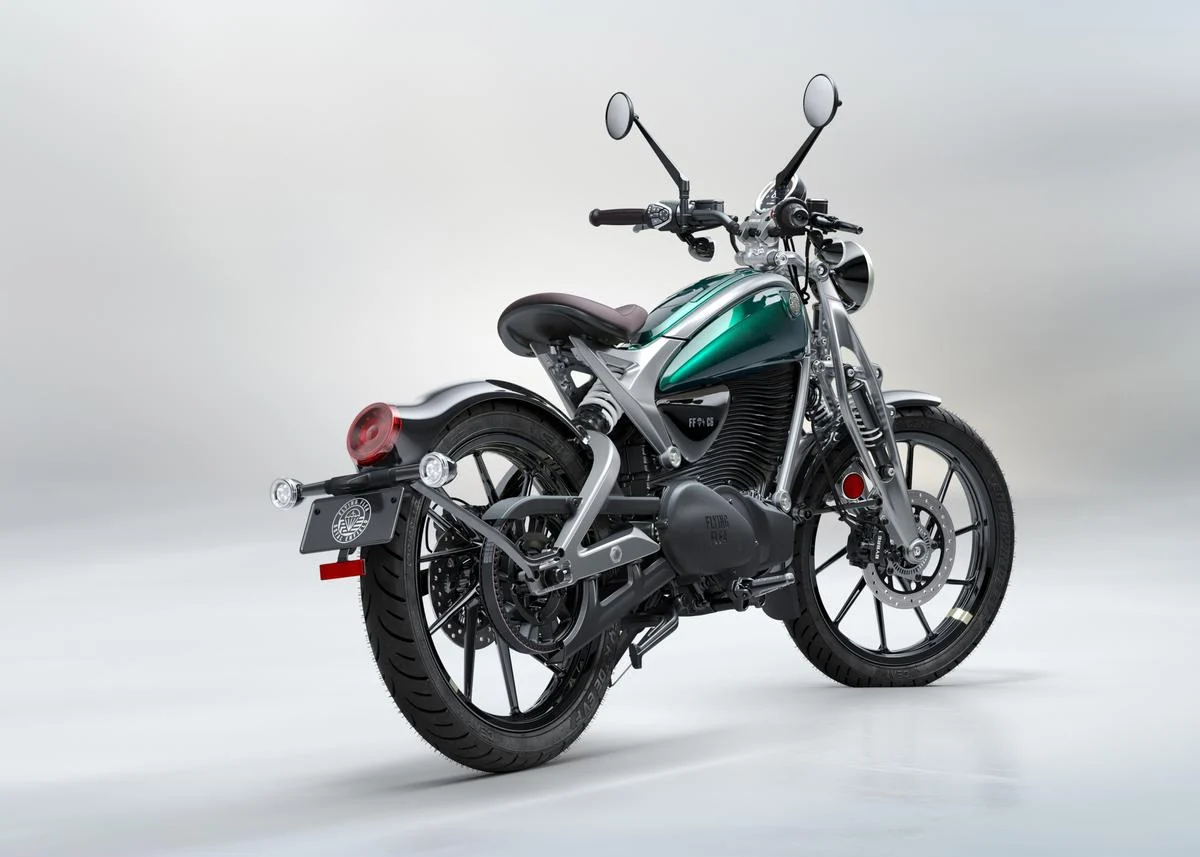
In a move that bridges nearly a century of motorcycling heritage with the cutting edge of sustainable technology, Royal Enfield has officially entered the electric vehicle (EV) sector. The legendary manufacturer, synonymous with the rhythmic "thump" of internal combustion engines, has unveiled the Flying Flea C6—the inaugural model under its dedicated electric sub-brand, Flying Flea.
Far from being a mere electric adaptation of an existing model, the Flying Flea C6 represents a radical departure for the company. It is a ground-up, purpose-built electric platform designed specifically for the complexities of modern urban environments. With a focus on lightweight agility, integrated smart technology, and a design language that honors its wartime ancestors, the C6 is poised to redefine the "city bike" for a new generation of riders.
Main Facts: A Bold Entry into the Electric Space
The Flying Flea C6 is not just a motorcycle; it is a statement of intent. Royal Enfield has chosen to launch this venture under a distinct sub-brand to allow for a specialized focus on the unique demands of electric propulsion and urban commuting. The C6 is the first of many planned models that will utilize this modular electric architecture.
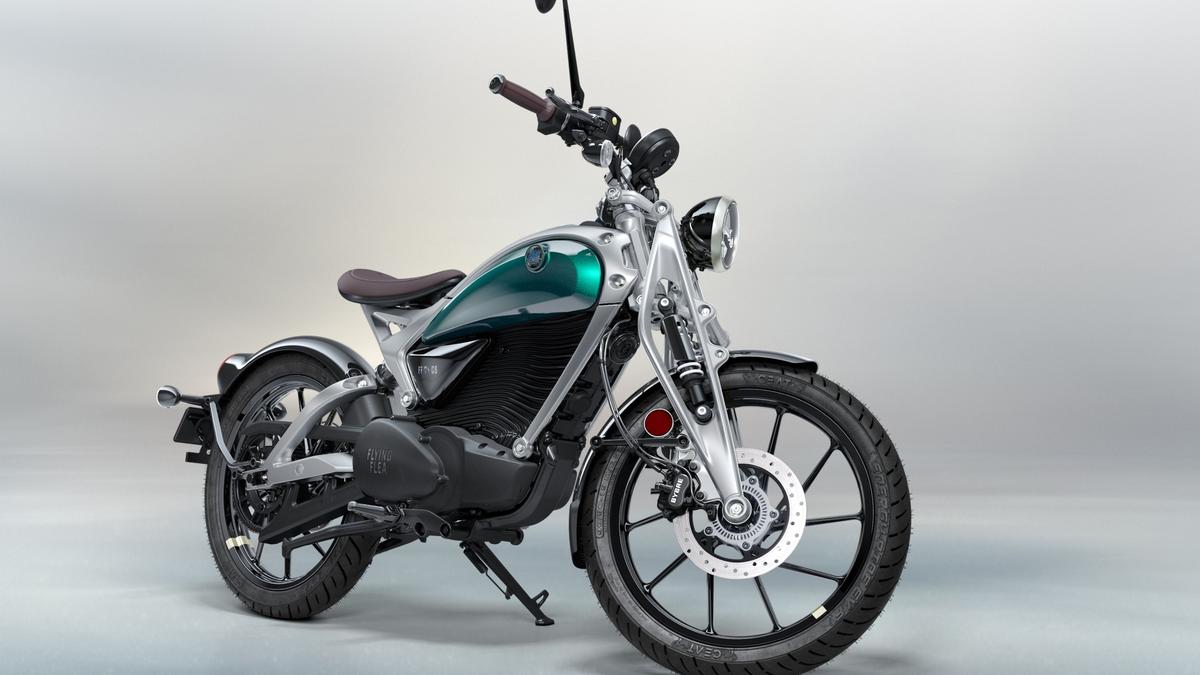
Key highlights of the Flying Flea C6 include:
- A Dedicated EV Platform: Developed entirely in-house, the platform integrates hardware and software into a seamless ecosystem.
- Lightweight Engineering: At a kerb weight of just 124 kg, the C6 is significantly lighter than almost any other vehicle in the Royal Enfield stable, prioritizing flickability in traffic.
- Performance Metrics: Powered by a 3.91 kWh battery, the motor produces 15.4 kW of peak power and 60 Nm of torque, enabling a top speed of 115 km/h.
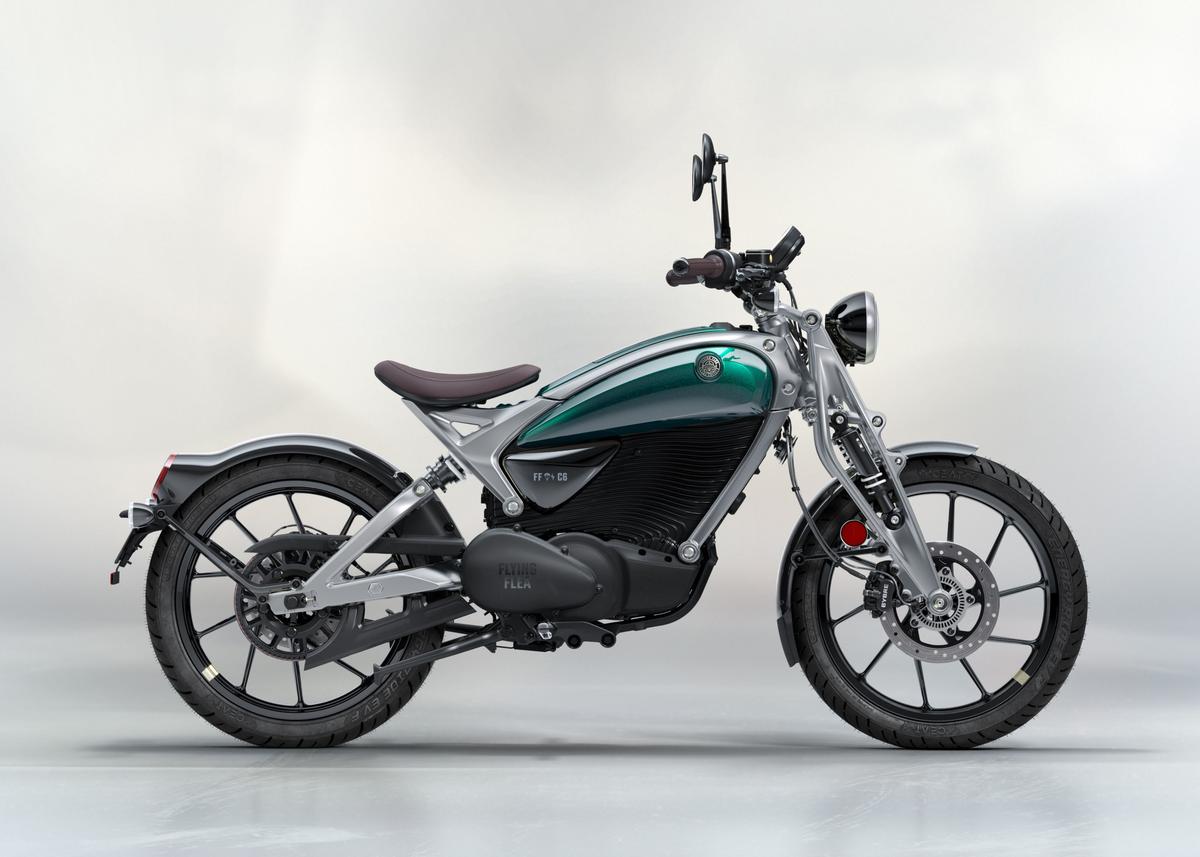
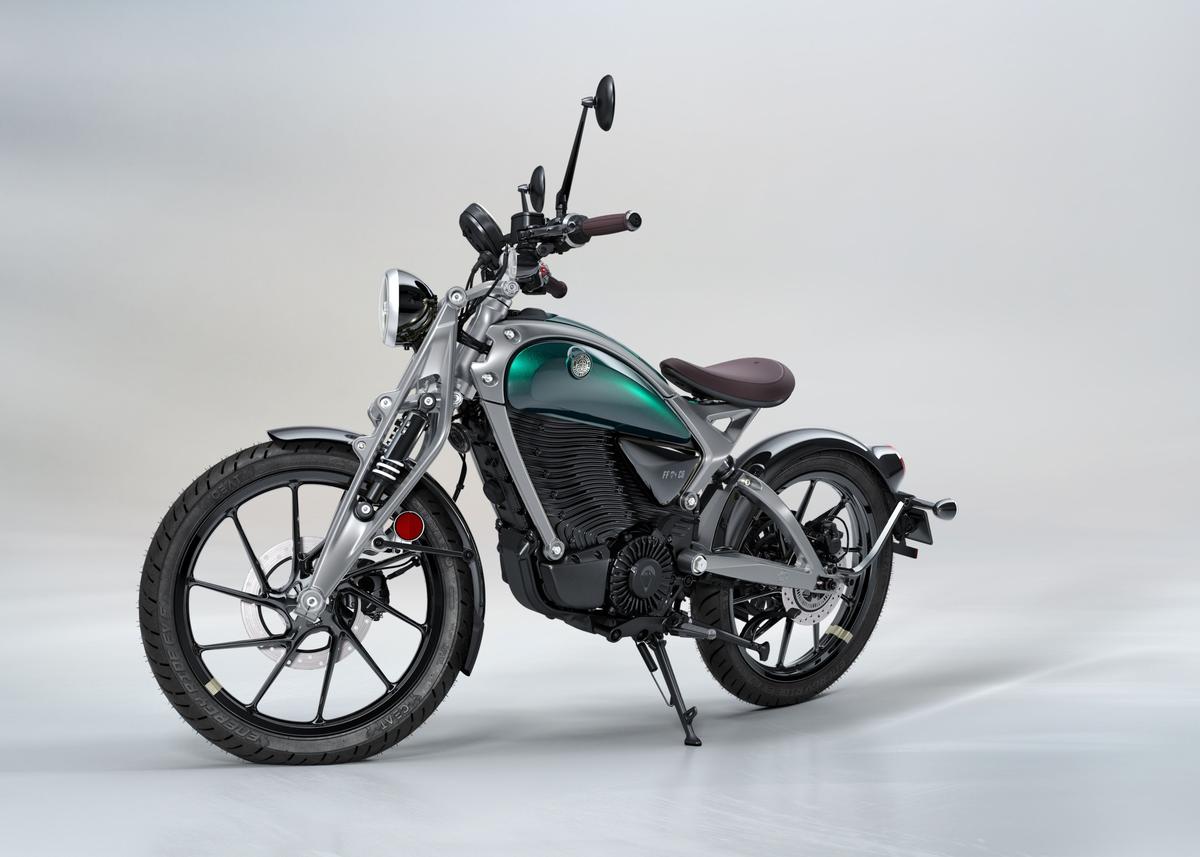
- Innovative Design: The bike features a forged aluminum girder fork, a signature design element that pays homage to the original 1940s Flying Flea while providing modern precision.
- Connectivity and Intelligence: Built-in 4G, WiFi, and Bluetooth connectivity allow for Over-the-Air (OTA) updates, live location sharing, and a personalized rider interface.
- Market Strategy: Launching initially in Bengaluru, the C6 is priced at ₹2.79 lakh (ex-showroom), with a "Battery-as-a-Service" (BaaS) option lowering the initial cost to ₹1.99 lakh.
Chronology: From Paratroopers to Plug-ins
To understand the C6, one must look back at the history of the "Flying Flea." The original Royal Enfield WD/RE was a lightweight 125cc motorcycle developed during World War II. Designed to be dropped by parachute from airplanes to support airborne troops, it earned the nickname "Flying Flea" for its ability to traverse difficult terrain with ease and its remarkable lightness.
The timeline of the modern Flying Flea’s resurrection is a testament to Royal Enfield’s long-term strategic planning:

- 2020–2022: The Conceptual Phase: Royal Enfield began intensive R&D into electric powertrains, opting to develop an in-house platform rather than sourcing a generic third-party chassis.
- 2023: The Sub-Brand Decision: Recognizing that the "Royal Enfield" brand is deeply tied to heritage and long-distance touring, the company decided to create the "Flying Flea" sub-brand to house its urban-centric, high-tech electric offerings.
- April 2026: Official Unveiling: The Flying Flea C6 is officially revealed to the public, with bookings and test rides commencing immediately in Bengaluru.
- May 2026: The Rollout Begins: Deliveries are scheduled to begin in late May 2026. Following the initial Bengaluru launch, the company plans a phased expansion into other major Indian metros including Mumbai, Delhi, and Pune by the end of the year.
Supporting Data: Technical Specifications and Infrastructure
The Flying Flea C6 is engineered to balance performance with the practicalities of daily city life. The technical data reveals a bike that is optimized for "stop-and-go" efficiency rather than highway cruising.
Powertrain and Battery Dynamics
The heart of the C6 is its 3.91 kWh lithium-ion battery pack. Unlike many budget electric scooters, the C6 uses a high-density cell arrangement designed for consistent power delivery even as the charge depletes.
- Torque Delivery: The 60 Nm of torque is available almost instantaneously, a hallmark of electric motors that allows the 124 kg bike to out-accelerate many 250cc internal combustion motorcycles from a standstill.
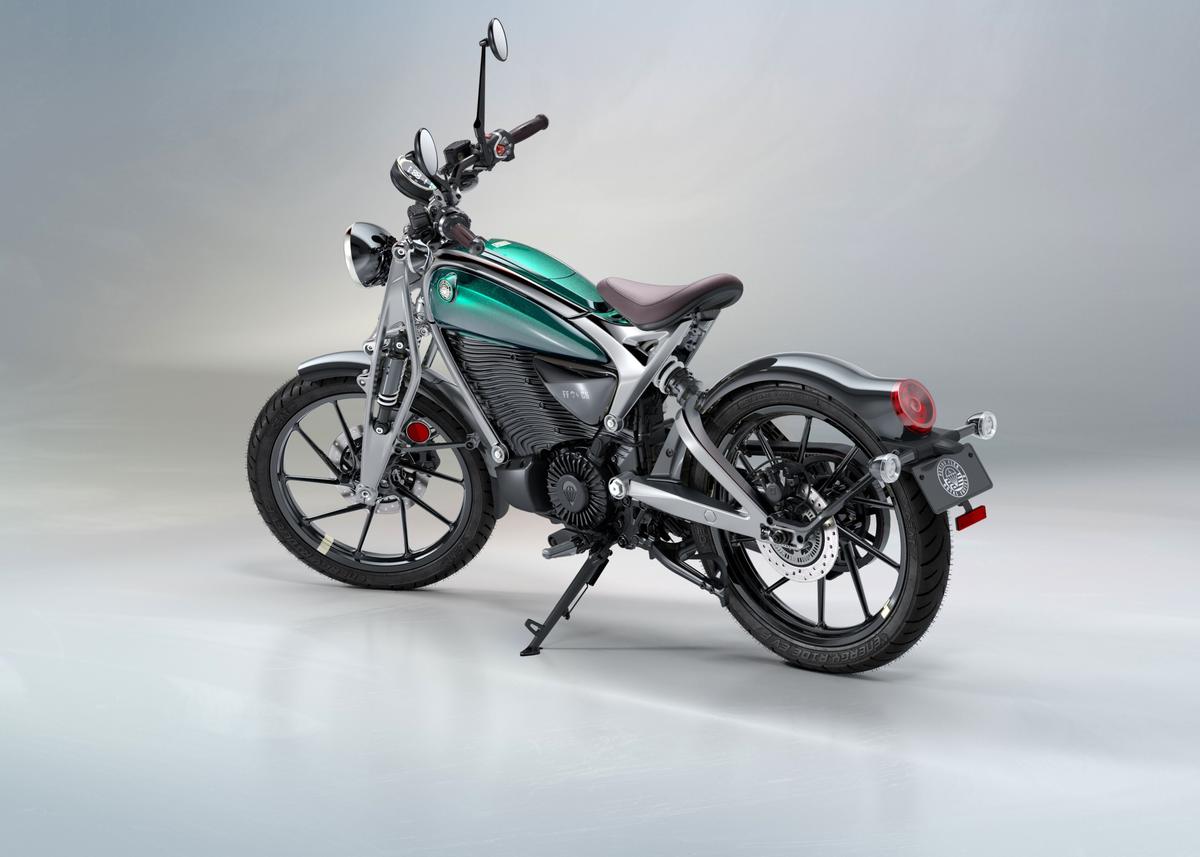
- Thermal Management: The battery casing is styled with cooling fins. While these contribute to the "retro-mechanical" look, they are functional heat sinks that manage temperatures during rapid charging and high-demand riding.
Charging Versatility
Recognizing that charging infrastructure remains a concern for many, Royal Enfield has focused on flexibility:
- Home Charging: The C6 can be plugged into a standard 16 Amp wall socket, making it compatible with existing home electrical setups.
- Charging Speed: Using rapid charging modes, the battery can go from 20% to 80% in approximately 60 minutes.
- Range-per-Minute: Under ideal conditions, the bike can add roughly 1 km of range for every minute it is plugged in.
- Energy Recovery: The inclusion of regenerative braking allows the motor to act as a generator during deceleration, feeding energy back into the battery and extending the city range.
Chassis and Ergonomics
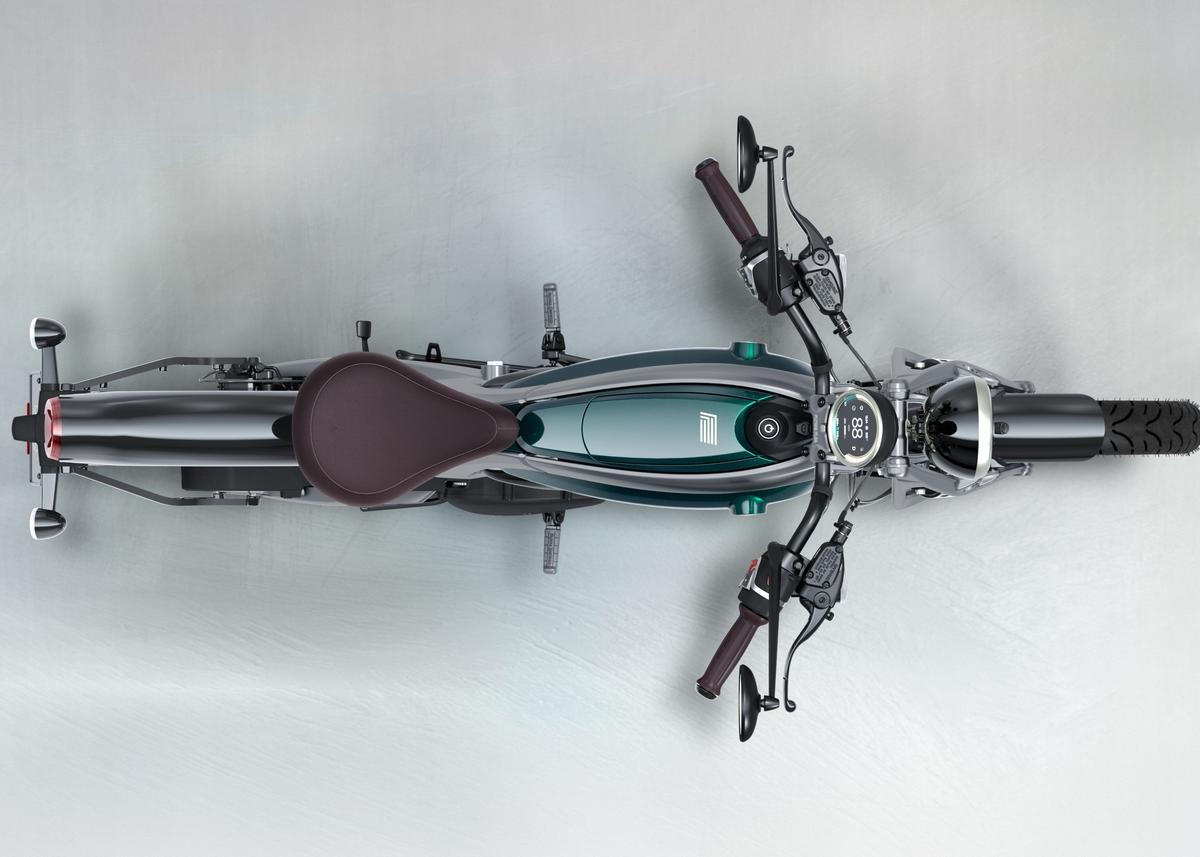
The forged aluminum girder fork is more than a stylistic choice. By using high-grade aluminum, the engineers have reduced unsprung weight at the front end, which, when combined with the articulating mudguard, provides a unique steering feel that is both light and stable. The C6 also features a removable pillion seat, allowing the rider to switch between a solo-rider "bobber" look and a practical two-up configuration.
Official Responses: The Philosophy of "Pure Motorcycling" in an Electric Age
While official corporate statements often focus on market share, Royal Enfield’s leadership has emphasized that the Flying Flea C6 is about preserving the "soul" of motorcycling in a digital world.
According to sources close to the development team, the goal was to create a "gorgeous object" that happens to be electric. The design team intentionally avoided the "plastic-heavy" aesthetic common in the EV market, opting instead for visible mechanical components and high-quality metal finishes.
"The Flying Flea brand is our answer to the urban mobility challenge," a company representative noted during the launch. "We wanted to create something that feels light, effortless, and deeply connected to the rider. By integrating the hardware and software in-house, we ensure that the bike doesn’t just transport you; it evolves with you through OTA updates and adaptive ride modes."
The decision to launch in Bengaluru first was also strategic. As India’s "Silicon Valley," the city represents the ideal demographic for the C6: tech-savvy professionals who value both heritage design and cutting-edge connectivity.
Implications: A New Benchmark for the Premium EV Market
The arrival of the Flying Flea C6 has significant implications for the Indian and global motorcycle markets.
1. The "Battery-as-a-Service" (BaaS) Model
The introduction of a BaaS option at ₹1.99 lakh is a potential game-changer. By decoupling the cost of the battery from the vehicle, Royal Enfield is lowering the barrier to entry. This model also alleviates consumer fears regarding battery degradation and replacement costs, as the battery remains the responsibility of the service provider, often involving subscription-based swapping or leasing.
2. The Shift in Urban Mobility
The C6 positions itself as a "premium urban tool." It is not meant to replace the Himalayan for mountain treks or the Interceptor for highway runs. Instead, it targets the "commuter-plus" segment—riders who want a stylish, high-tech vehicle for the 20–40 km daily grind. Its 115 km/h top speed ensures it can handle urban flyovers and ring roads with ease, while its lightweight frame makes it a superior lane-splitter compared to heavier cruisers.
3. Software as a Service (SaaS) and Connectivity
With 4G connectivity and a dedicated joystick-controlled TFT display, the C6 moves the motorcycle closer to the "smartphone on wheels" concept. The ability for the bike to "learn" rider behavior and adjust throttle maps accordingly suggests a future where the motorcycle’s performance is personalized. Features like "tip-over alert" and lean-sensitive ABS/traction control bring "big bike" safety tech to the lightweight urban segment, setting a high bar for competitors.
4. Legacy Brand Transition
Royal Enfield’s successful pivot to electric power provides a roadmap for other heritage brands. It demonstrates that a company can embrace the future without abandoning the aesthetic cues that made it famous. The use of the "Flying Flea" name is a masterstroke in marketing, grounding a futuristic product in a storied past.
Conclusion
The Flying Flea C6 is more than just a new model; it is the first chapter of a new book for Royal Enfield. By combining the agility of its WWII namesake with a sophisticated electric powertrain and a robust digital ecosystem, the C6 offers a compelling vision of what urban motorcycling can be.
As deliveries begin in May 2026, all eyes will be on Bengaluru to see how this blend of forged aluminum and lithium-ion performs on the chaotic streets of India. If the C6 succeeds, it won’t just be because it’s an electric bike, but because it’s a Royal Enfield—reimagined for a silent, sustainable, and connected future.
