

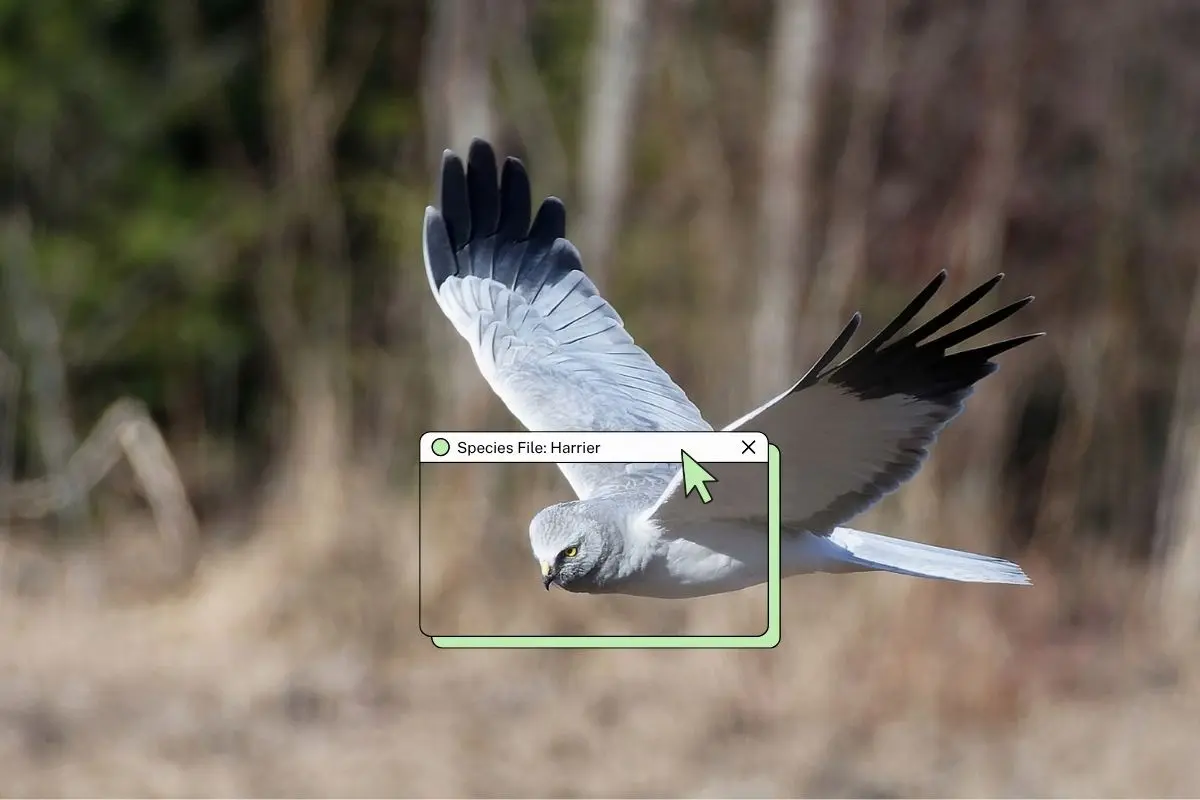
Every year, as the biting winds of the Siberian winter begin to sweep across the Russian steppes and the vast plains of Central Asia, a remarkable biological exodus begins. Thousands of kilometers to the south, the Indian subcontinent prepares for the arrival of some of the world’s most elegant and enigmatic raptors: the harriers. These slender-bodied birds of prey, known for their low-slung, buoyant flight and distinct facial disks, embark on a perilous journey that involves circumventing the formidable Himalayan massif to reach the warmth of India’s grasslands.
However, beneath the grace of their mid-air food passes and their rhythmic gliding lies a story of ecological fragility. Once a common sight across the Deccan Plateau and the Rann of Kutch, harrier populations are witnessing a quiet but catastrophic decline. From the loss of "wastelands" to the encroachment of green energy infrastructure, the harrier’s struggle for survival is a reflection of the broader crisis facing India’s neglected grassland ecosystems.
Main Facts: The Six Visitors and Their Unique Biology
Harriers belong to the genus Circus—a name derived from the Greek kirkos, referring to their circling flight patterns. Globally, there are 16 species of harriers, of which six are regular winter migrants to India: the Montagu’s harrier, the pallid harrier, the hen harrier, the pied harrier, the Eurasian (western) marsh harrier, and the eastern marsh harrier.
Unlike many other raptors that prefer high-altitude soaring or perching on tall forest canopies, harriers are specialists of the open country. They are "low-flyers," hunting by day by circling just a few meters above the ground in zigzag patterns. Their facial feathers are arranged in a disc-like shape, similar to owls, which helps funnel sound into their ears—a vital adaptation for locating small mammals, reptiles, and insects hidden deep within the grass.
One of the most striking behavioral traits of harriers is their courtship and pair-bonding ritual, often observed during their breeding season or early migration. Mated pairs perform a "suave mid-air food pass," a display of incredible aerial precision where the male drops a kill from the sky for the female to catch mid-flight.
Furthermore, harriers are unique among raptors for their nesting and roosting habits. While most hawks and eagles nest in trees or on cliffs, harriers are ground-nesters. Even more fascinating is their social behavior; they are known to roost communally. In the twilight hours, hundreds of harriers from different species gather to sleep on the ground in a shared territory. Velavadar National Park in Gujarat has historically held the title for the world’s largest documented harrier roost, a spectacle of biodiversity that underscores India’s importance as a wintering ground.
Chronology: A Journey Across the Roof of the World
The arrival of harriers in India follows a strict seasonal rhythm dictated by the climate of the Northern Hemisphere.
- April – June (Breeding Season): Harriers spend the summer months in the temperate regions of Russia, Kazakhstan, and Mongolia. Here, they take advantage of the explosion of insect and rodent life to raise their young.
- July – August (The Departure): As the first signs of winter appear in the north, the birds begin their southward migration. They do not fly directly over the highest peaks of the Himalayas; instead, they utilize migratory corridors, skirting around the edges of the mountain range to enter the Indian subcontinent through the northwest and northeast.
- September – October (Arrival in India): The first waves of harriers typically arrive in the grasslands of Rajasthan, Gujarat, and the Deccan Plateau. By October, they are established in their wintering territories, which range from the semi-arid tracks of Kutch to the humid marshes of West Bengal.
- November – February (The Wintering Period): During these months, the harriers fulfill their role as apex predators of the grasslands, controlling pest populations and, as recent research suggests, acting as "gardeners" of the landscape.
- March – April (Return Flight): As the Indian summer approaches and the grasslands dry up, the harriers begin their return journey to the Palearctic breeding grounds, completing a round-trip that can span over 10,000 kilometers.
Supporting Data: The "Grassland Gardeners" and the Decline in Numbers
Recent scientific inquiries have expanded our understanding of the harrier’s ecological value beyond simple pest control. A landmark study focused on the pallid and Montagu’s harriers revealed that these birds are "grassland gardeners." By consuming smaller birds and rodents that have seeds in their digestive tracts, the harriers inadvertently transport these seeds across vast distances. The seeds are later expelled in the harrier’s pellets (regurgitated undigested material) unharmed and ready to germinate. This process, known as endozoochory, makes harriers vital agents of plant dispersal, maintaining the floral diversity of the grasslands they inhabit.
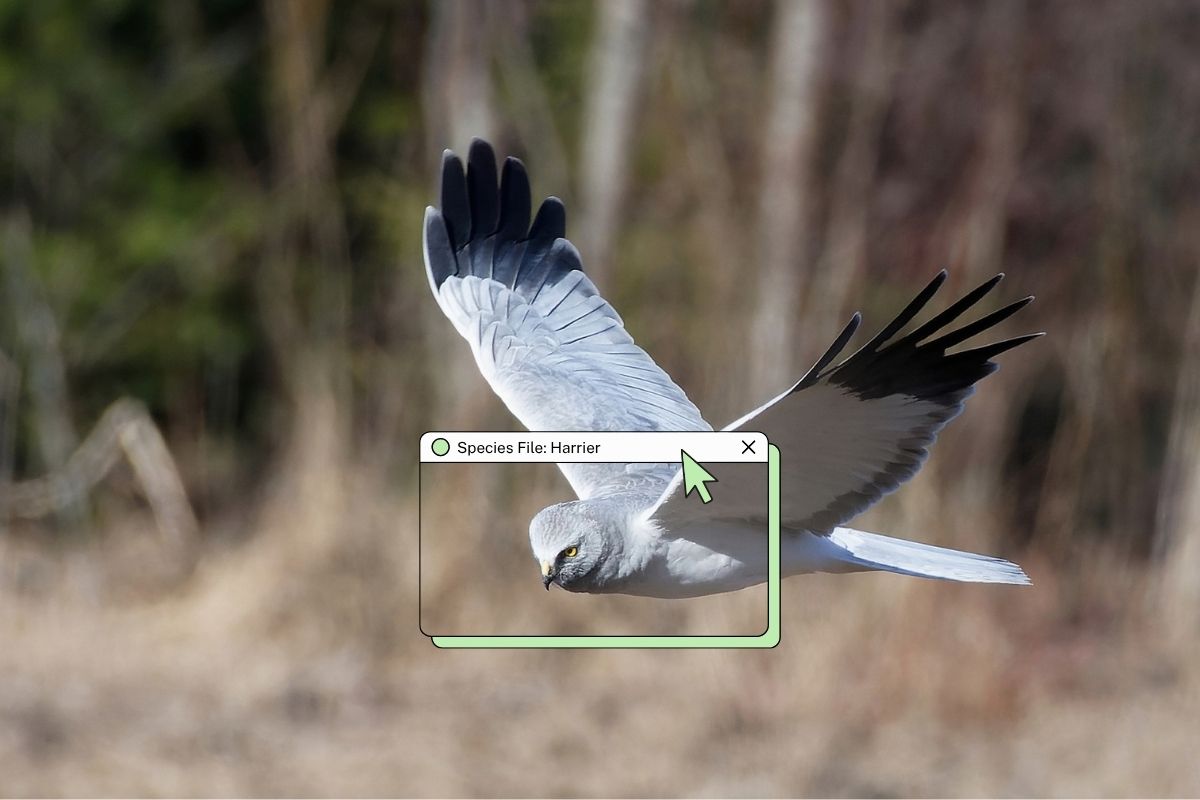
However, the data regarding their population trends is somber. Long-term monitoring conducted by the Ashoka Trust for Research in Ecology and the Environment (ATREE) through its "Harrier Watch" programme has documented a significant decline. Between 1985 and 2015, the number of harriers recorded at communal roosts dropped sharply.
In some traditional roosting sites, the numbers have plummeted by over 50%. While most harriers are currently listed as "Least Concern" by the IUCN, the pallid harrier has been elevated to "Near Threatened" due to a consistent global population decline. In the Indian context, the government has recognized the urgency of the situation by granting harriers the highest level of legal protection under Schedule I of the Wildlife (Protection) Act, 1972.
Official Responses and Human Impact: The "Wasteland" Myth
The primary driver of the harrier’s decline is the systematic loss of habitat. In India, grasslands have historically been misclassified as "wastelands" in official land-use records. This nomenclature has had devastating consequences for conservation.
Vishwatej Pawar, co-founder of The Grasslands Trust, highlights the impact of this classification. "Grassland specialist species like the harriers actually play an important role in stabilizing the populations of insects, pests, and even rodents, which helps farmers," Pawar noted in a 2026 report. "When their habitats change, either due to afforestation or due to trenches, they compete for space or are unable to nest, roost, or properly forage, which causes population decline."
The push for "Green Energy" has ironically become a new threat. Massive wind farms and solar parks are frequently cited in these "wastelands." While these projects are essential for carbon reduction, their placement in prime harrier habitat leads to fragmentation. Wind turbines pose a direct collision risk to low-flying raptors, while the sprawling arrays of solar panels strip the land of the grass and scrub necessary for the harriers’ prey to survive.
Furthermore, the intensification of agriculture has introduced a chemical threat. The widespread use of pesticides to control grasshoppers and other insects removes a primary food source for the harriers. When harriers do consume prey that has been exposed to pesticides, they suffer from bioaccumulation, which can lead to reproductive failure or death.
Implications: Why the Harrier’s Survival Matters to Humans
The decline of the harrier is not merely a loss for birdwatchers; it has direct economic and ecological implications for human populations, particularly the farming community.
- Natural Pest Control: Harriers are a "biological shield" for agriculture. By keeping rodent and locust populations in check, they reduce the need for expensive and harmful chemical pesticides. A single harrier can consume hundreds of rodents over a wintering season, protecting crop yields for local farmers.
- Ecological Health Indicators: As apex predators, harriers are "sentinel species." Their presence indicates a healthy, functioning grassland ecosystem. A decline in harrier numbers is often the first warning sign that the entire food chain—from soil health to insect populations—is collapsing.
- The Grassland Crisis: The plight of the harrier highlights the urgent need for a National Grassland Policy in India. Unlike forests, which receive significant funding and protection, grasslands are often seen as "empty" spaces ripe for industrialization. Saving the harrier requires a fundamental shift in how we perceive and value open ecosystems.
In conclusion, the harrier’s journey from the Siberian tundra to the Indian plains is one of nature’s great feats of endurance. Yet, the greatest challenge these birds face is not the thousands of kilometers of flight or the crossing of mountain ranges, but the disappearing horizon of the Indian grasslands. To protect the harrier is to protect the very landscape that sustains the livelihoods of millions of pastoralists and farmers. Without immediate intervention to preserve their roosting sites and hunting grounds, the suave mid-air pass of the harrier may soon become a ghost of India’s ecological past.
