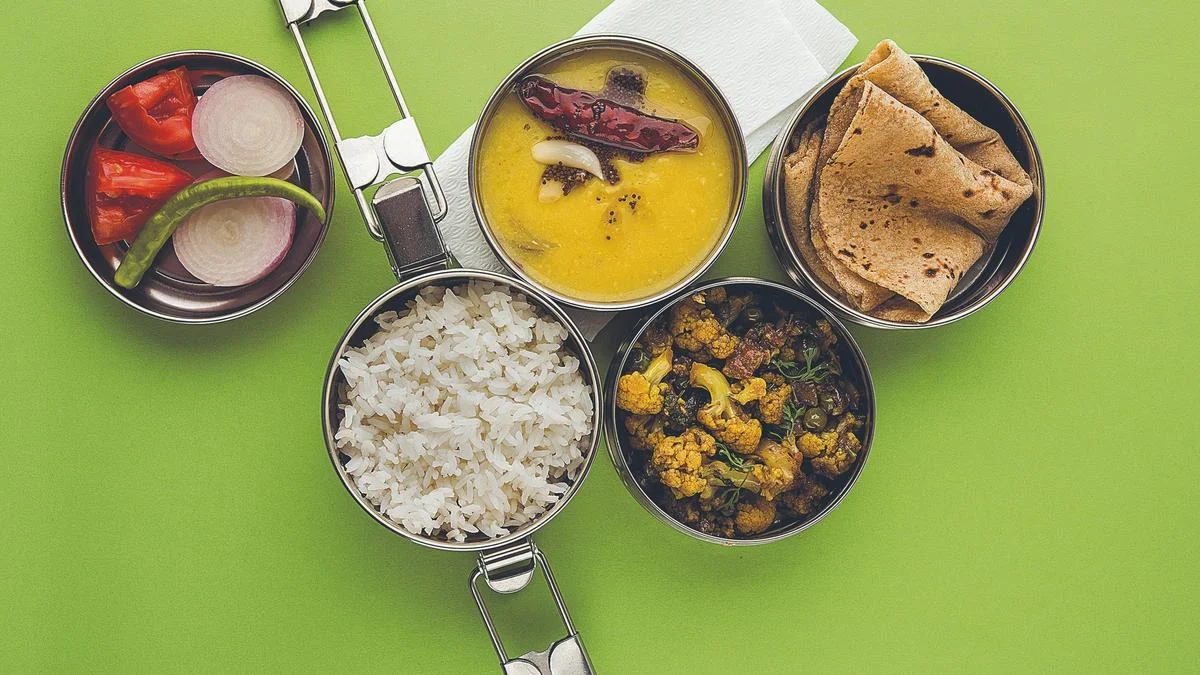
CHENNAI — For decades, the rhythmic clinking of stainless-steel tiffin carriers was the morning soundtrack of Madras. Whether strapped to the back of a bicycle, tucked into a cloth bag on a crowded suburban train, or carried by hand into the high-ceilinged offices of Mount Road, these tiered containers were more than just vessels for food; they were symbols of a domestic contract, a literal link between the hearth and the workplace.
However, as the city transitioned from the nostalgic charm of Madras to the bustling, tech-driven metropolis of Chennai, the tiffin carrier has begun to fade into the background. In its place, a sophisticated ecosystem of neighborhood eateries, high-end cafés, subscription-based cloud kitchens, and the omnipresent glow of food-delivery smartphone applications has emerged. This shift marks not only a change in how the city eats but a fundamental transformation in the social and cultural fabric of South India’s capital.
Main Facts: The Decline of the Steel Sentinel
The transition from the traditional thooku-pothu (tiffin carrier) to the "Quick Commerce" era is a multifaceted phenomenon. At its core, the change is driven by the rapid urbanization of Chennai, the rise of the dual-income household, and the city’s emergence as a global IT and manufacturing hub.
The Symbolism of the Tiffin
A typical stainless-steel tiffin carrier consisted of three to four tiers, designed to hold a complete meal: rice in the bottom tier, sambar or rasam in the second, a vegetable poriyal or kootu in the third, and perhaps a small portion of curd or a pickle in the top. It represented a commitment to health, hygiene, and the "home-cooked" ideal.
The Modern Replacement
Today, data suggests a sharp pivot. According to industry estimates from the South India Hotels and Restaurants Association (SIHRA), the frequency of "outside eating" among Chennai’s middle class has increased by nearly 400% over the last two decades. The traditional tiffin has been largely supplanted by:
- Cloud Kitchens: Commercial facilities purpose-built for delivery, bypassing the need for a storefront.
- Subscription Meal Kits: Professional services that mimic the "home-cooked" feel but are managed by corporate entities.
- Aggregator Apps: Platforms like Swiggy and Zomato that offer a global menu at the touch of a button.
Chronology: From Mount Road Grandeur to the App Economy
To understand the current state of Chennai’s palate, one must look back at the milestones of its culinary evolution.
The 1960s and 70s: The Golden Age of Madras Dining
During this era, dining out was a rare, celebrated event. While the tiffin carrier dominated daily lunch hours, the city’s elite and burgeoning middle class frequented iconic establishments on Anna Salai (then Mount Road).
Writer Sivasankari, 82, a prominent voice in Tamil literature, recalls this era with vivid clarity. "Gaylord on Anna Salai, close to my office, and Jaffers, also on Anna Salai, were known for their ice creams, which were of international standard," she notes. For many, the "Peach Melba" at Jaffers remains a legendary culinary benchmark—a symbol of a city that was beginning to blend its traditional roots with a cosmopolitan outlook.
The 1980s and 90s: The Udipi Revolution and Liberalization
The 1980s saw the rise of the "Udipi" restaurants—Saravana Bhavan, Sangeetha, and others—which standardized South Indian vegetarian cuisine. These establishments provided a "home-away-from-home" experience, offering a middle ground for those who could no longer carry a tiffin but still craved the flavors of a traditional kitchen.
Post-1991, with the liberalization of the Indian economy, global chains began to enter the fray. The arrival of brands like Pizza Hut and KFC in the late 90s introduced the concept of "fast food" as a lifestyle choice rather than just a convenience.
The 2010s: The Digital Disruptors
The real sea change occurred around 2014-2015 with the entry of food-delivery aggregators. This period saw the "app-ification" of the Chennai lunch hour. The physical effort of carrying a tiffin carrier was replaced by the digital ease of tracking a delivery partner. The OMR (Old Mahabalipuram Road) IT corridor became the epicenter of this shift, as thousands of young professionals sought variety over the predictability of home-packed meals.
Supporting Data: The Economics of Convenience
The shift away from home-packed tiffins is backed by significant economic and demographic data.
Labor and Time Constraints
Research by urban sociologists suggests that the average commute time in Chennai has increased by 35% since 2010. For a working professional living in Tambaram and working in Taramani, the "tiffin preparation time"—usually between 5:00 AM and 7:00 AM—has been squeezed out by earlier departure times and late-night work shifts.
The Steel Industry Pivot
The domestic stainless steel industry has also reflected this change. Manufacturers in the industrial hubs surrounding Chennai report a shift in production. While the "tiffin carrier" was once a staple of their domestic catalog, production has increasingly pivoted toward industrial kitchen equipment and "lifestyle" storage solutions (vacuum-insulated flasks and aesthetic glass containers) aimed at a different demographic.

Packaging Waste
A byproduct of this transition is the environmental footprint. A single tiffin carrier could last a family 20 years. In contrast, the current delivery model in Chennai generates an estimated 15 tons of single-use plastic and cardboard waste daily, prompting the Greater Chennai Corporation (GCC) to implement stricter "Meendum Manjappai" (Back to Yellow Cloth Bag) initiatives to curb packaging pollution.
Official Responses and Expert Perspectives
The decline of the tiffin carrier has elicited a range of responses from cultural historians and industry leaders.
The Cultural Historian’s View
"The tiffin was a social leveler," says V. Sriram, a noted historian of Madras/Chennai. "In the old office canteens, people from different backgrounds would open their carriers, and the sharing of food was a ritual of bonding. When you order individually from an app, that communal experience is lost. You are no longer sharing a meal; you are consuming a service."
The Restaurant Industry Perspective
Representing the modern food industry, members of SIHRA argue that the shift is an inevitable result of progress. "The modern Chennaiite values variety and hygiene," says a spokesperson for a leading restaurant chain. "While nostalgia is beautiful, the reality is that the modern restaurant industry provides employment to thousands and ensures a level of food safety and standardization that was previously unavailable."
The Health Department’s Concern
Officials from the Food Safety and Standards Authority of India (FSSAI) in Tamil Nadu have expressed cautious optimism. While they acknowledge the convenience of modern eateries, they have ramped up inspections of "cloud kitchens" that have replaced home cooking. "Our challenge is ensuring that the ‘home-cooked’ label used by many subscription services is backed by professional hygiene standards," an official stated.
Implications: A City in Transition
The disappearance of the tiffin carrier from the streets of Chennai carries profound implications for the city’s future.
1. The Erosion of Culinary Heritage
As more families rely on commercial kitchens, traditional recipes that were once passed down through the daily filling of the tiffin are at risk. The "hand-feel" of a grandmother’s rasam is being replaced by the standardized spice profiles of commercial powders.
2. The Health Paradox
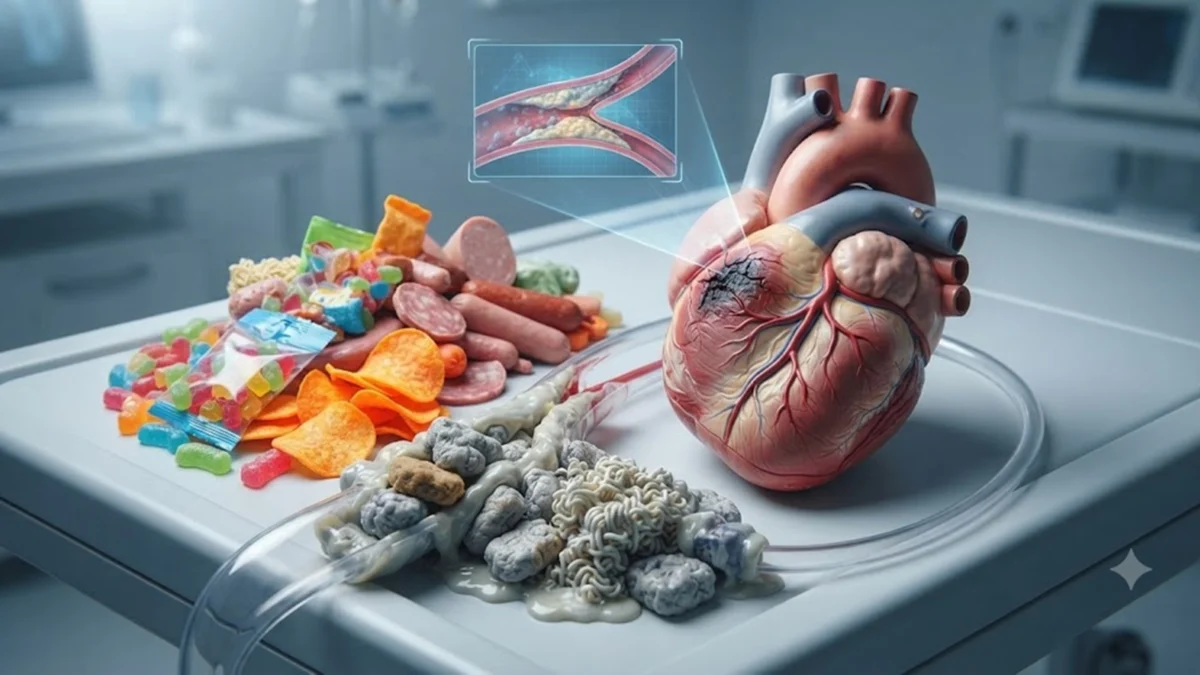
While modern eateries offer "healthy" and "organic" options, the lack of control over oil, salt, and preservatives in restaurant food—compared to a home-packed tiffin—remains a concern for public health experts. The rise in lifestyle diseases in Chennai, often called the "Health Capital of India," is frequently linked to the decline of regulated, home-cooked meal consumption.
3. The Gig Economy Dependence
Chennai’s food scene is now inextricably linked to the gig economy. Thousands of delivery partners have become the new "Dabbawalas" of the South, but without the job security or the cooperative structure of their Mumbai counterparts. The city’s ability to eat is now dependent on the stability of digital algorithms and fuel prices.
4. A New Definition of "Cosmopolitan"
On a positive note, the decline of the tiffin has opened Chennai to global influences. The same streets where Sivasankari once sought out Peach Melba now host authentic ramen shops, sourdough bakeries, and Korean BBQ joints. The city is more culinarily diverse than ever before, reflecting its status as a global destination.
Conclusion: The Lingering Echo of the Steel Carrier
While the stainless-steel tiffin carrier may no longer be the ubiquitous sight it once was, its legacy persists in the city’s collective memory. For many, like Sivasankari, the evolution of Chennai is best understood through the lens of its food—from the simple joy of a home-packed lunch to the sophisticated indulgence of an international dessert on Anna Salai.
Chennai remains a city that loves to eat, but the way it eats has changed forever. The tiffin carrier has transitioned from a daily necessity to a vintage collectible, a reminder of a slower, more deliberate era. As the city moves forward, the challenge will be to maintain the warmth and nutrition of the "home-cooked" ideal in a world that is increasingly defined by speed and disposable convenience.
The clinking of the steel may be fading, but the hunger for a taste of home—however it is delivered—remains the heartbeat of Chennai.