

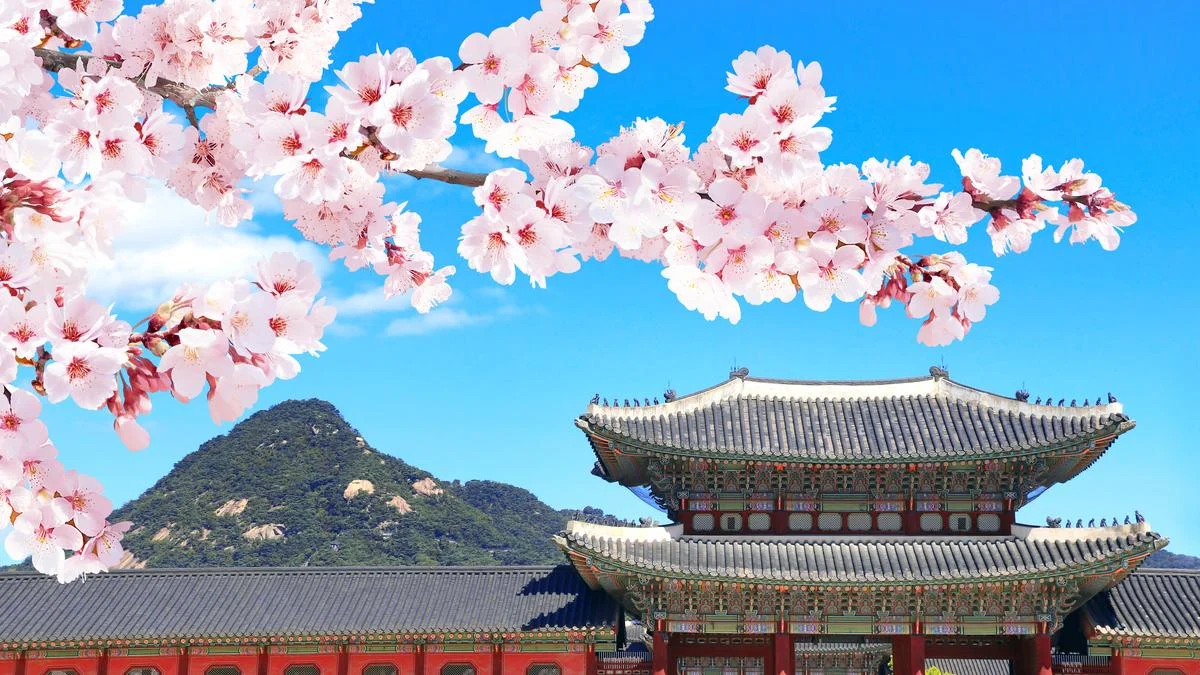
SEOUL — As the pale pink petals of the cherry blossoms reach their zenith across the Korean Peninsula, a different kind of bloom is taking over the streets of the capital. BTS, the global icons of K-pop, officially launched their highly anticipated Arirang concert tour today in Goyang, a satellite city of Seoul. The event marks a significant cultural milestone, drawing hundreds of thousands of international visitors and signaling a robust resurgence in South Korea’s tourism sector.
Main Facts: A Convergence of Culture and Music
The Arirang tour, named after the quintessential Korean folk song that has become a symbol of national identity, represents BTS’s most ambitious homecoming to date. The tour officially kicked off on April 9 at the Goyang Stadium, with subsequent performances scheduled for April 11 and 12.
The timing of the tour is no coincidence. Scheduled to coincide with the peak of the cherry blossom season—projected to hit its maximum bloom in Seoul on April 10—the event has created a "perfect storm" for the Korea Tourism Organization (KTO). Fans, known globally as "ARMY," have converged from every corner of the globe, transforming the Seoul Metropolitan Area into a vibrant hub of purple-clad tourists.
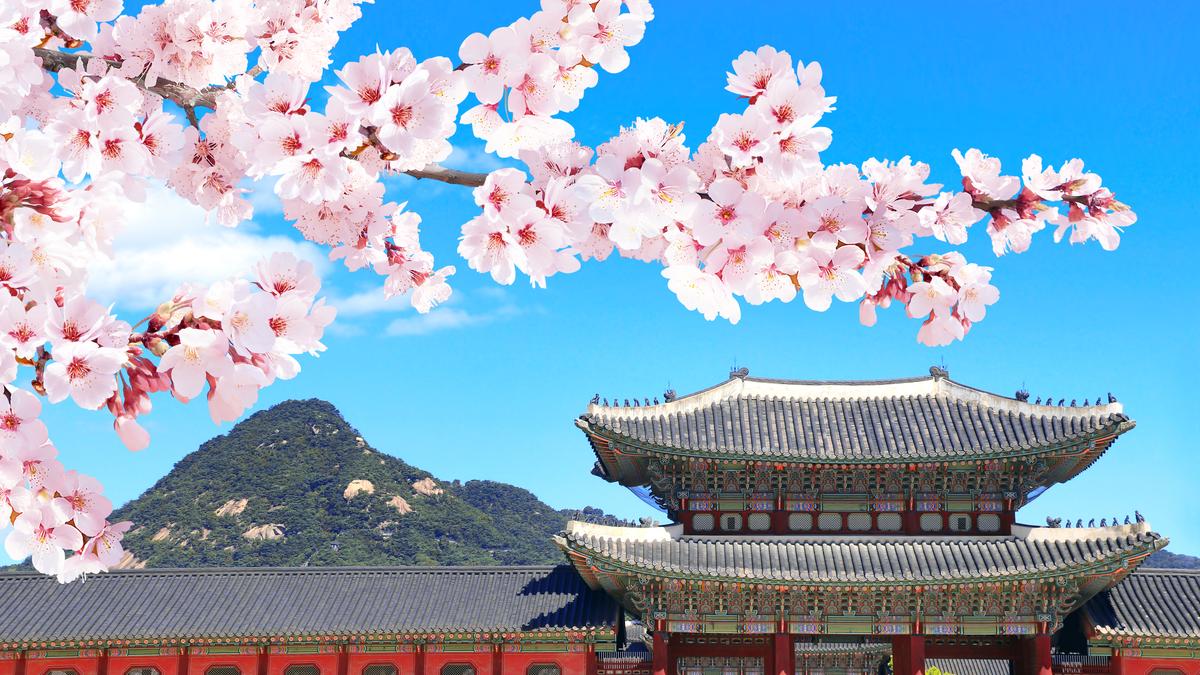
While the concerts are the primary draw, the South Korean capital has curated a city-wide experience that blends the group’s contemporary influence with traditional Korean aesthetics. From live-streamed performances at historic gates to "stamp tours" of the members’ favorite haunts, the Arirang tour is less a series of concerts and more a nationwide festival.
Chronology: The Road to the Arirang Comeback
The momentum for this week’s festivities began building in early March, setting a strategic pace for the April launch.
- March 2024: BTS performed a historic set at Gwanghwamun, the southern gate of Gyeongbokgung Palace. The event, titled BTS THE COMEBACK LIVE | ARIRANG, was filmed for a Netflix special, showcasing the group against the backdrop of Joseon-era architecture. This served as the global teaser for the upcoming tour.
- Late March – Early April 2024: The "Spring Wave" began as international flight bookings to Incheon International Airport saw a 45% increase compared to the previous year. The Korea Tourism Organization intensified its "Visit Korea" marketing campaigns, focusing on the intersection of Hallyu (the Korean Wave) and seasonal nature tourism.
- April 9, 2024: The tour officially opens in Goyang. Local authorities reported that hotels in the Goyang and Ilsan areas reached 98% occupancy weeks in advance.
- April 10, 2024: The projected peak of the cherry blossoms in Seoul. This day is expected to see the highest foot traffic in public parks and historic sites as fans balance concert attendance with sightseeing.
- April 11–12, 2024: The final two legs of the Seoul-area residency, expected to conclude with a massive drone light show over the Han River.
Supporting Data: A Comprehensive Guide to the "BTS Effect" in Seoul
To accommodate the influx of visitors, the city has undergone a temporary transformation. Journalistic observation and tourism data suggest that the "BTS Effect" is diversifying where tourists spend their time and money, moving beyond the traditional shopping districts of Myeong-dong into more niche, culturally rich neighborhoods.

The Rise of "Idol-Spotting" Urbanism
In Seongsu-dong, often referred to as the "Brooklyn of Seoul," Seoul Forest Park has become a pilgrimage site. Fans are utilizing digital maps to locate specific benches dedicated to BTS members. According to park officials, the "Suga Bench" and "J-Hope Forest" (distinguished by its bright yellow J-shaped seating) have seen a 300% increase in daily visitors. These micro-monuments, often funded by fan clubs, represent a new form of "fandom urbanism" where the digital affection for an idol translates into physical park maintenance and beautification.
Culinary Trends and the Unmanned Revolution
The tour has also highlighted a shift in South Korea’s culinary landscape. While traditional markets like Namdaemun and Gwangjang remain staples for street food, there is a burgeoning interest in "unmanned" dining experiences.
The 24-hour Ramen Convenience Store in Jongno has become a viral sensation. These establishments, which require no staff, allow visitors to select from hundreds of ramen varieties, cook them on induction plates, and leave messages on post-it notes. This "low-touch, high-flavor" model appeals to the tech-savvy demographic of the BTS fandom. Simultaneously, traditional spots like Samcheongdong Hotteok are seeing record queues, largely driven by the group’s leader, RM, who has previously shared his affinity for their honey and beef bulgogi-stuffed pancakes.

Technological Integration: HiKR Ground and XR Studios
The Korea Tourism Organization’s flagship center, HiKR Ground, has become the epicenter for interactive fan engagement. The facility offers XR (Extended Reality) Live Studios where visitors can record their own K-pop music videos using the same high-tech backgrounds seen in professional productions. Data from the center indicates that the "laundromat" and "subway" themed sets—reminiscent of BTS music video aesthetics—are the most booked features of the facility this week.
Logistics and Navigation
A critical data point for travelers this season is the reliance on local technology. Because Google Maps offers limited functionality in South Korea due to national security regulations, downloads of Naver Maps and KakaoMap have surged. Similarly, the T-Money card—the universal transit chip—has seen a record number of "K-pop edition" releases to cater to the visiting crowd.
Official Responses: Tourism and National Pride
Government officials and tourism executives have been quick to recognize the strategic importance of the Arirang tour.

A spokesperson for the Korea Tourism Organization stated, "The synergy between BTS and the cherry blossom season provides an unparalleled opportunity to showcase the multifaceted beauty of Korea. We are seeing a trend where visitors are not just staying for the concert, but are extending their trips to explore regional cities like Jeonju and Gyeongju, inspired by the traditional themes of the Arirang tour."
The Seoul Metropolitan Government has also responded by launching the "Seoul Outdoor Library" initiative. By placing beanbags and bookshelves in Gwanghwamun Square and along the Cheonggyecheon stream, the city aims to create "calm zones" to balance the high-energy atmosphere of the concerts. "Our goal is to show that Seoul is a city of both dynamic energy and quiet reflection," said a city planning official.
Security and transportation departments have also been placed on high alert. The "Purple Line" initiative—a temporary increase in subway frequency on Lines 1, 3, and the Gyeongui-Jungang Line—has been implemented to ensure the safe dispersal of the 60,000-plus fans attending each night in Goyang.

Implications: The Future of Fan-Driven Economies
The Arirang tour serves as a case study for the future of global tourism. The implications of this week’s events stretch far beyond the music industry.
1. Economic Diversification
The concentration of fans in neighborhoods like Seongsu and Samcheong-dong suggests that "fandom tourism" can successfully decentralize tourist traffic. This prevents "over-tourism" in a single district while stimulating small businesses in residential or industrial-turned-creative zones. The success of high-end boutiques like Tamburins and Gentle Monster in Seongsu, alongside traditional hotteok stalls, proves that the modern K-pop fan is a diverse consumer, interested in both luxury and heritage.
2. Cultural Soft Power as a Permanent Asset
By naming the tour Arirang, BTS and BIGHIT MUSIC have effectively linked a modern pop phenomenon to a centuries-old cultural asset. This reinforces South Korea’s "Soft Power," ensuring that even when the group is not touring, the cultural curiosity they have piqued remains. The inclusion of Korean literature—such as the works of Han Kang and Cho Nam-joo at Kyobo Book Centre—into the fan "itinerary" suggests that the Hallyu wave is deepening from music into intellectual and literary exports.

3. The Digital-Physical Hybrid Model
The success of the Gwanghwamun Netflix special as a precursor to the live tour highlights a new marketing standard. By creating high-quality digital content that showcases national landmarks, South Korea is essentially creating "travel trailers" that provide a massive ROI (Return on Investment) in the form of physical visitors months later.
4. Sustainability of Tourism
As the "Visit Korea Year 2023-2024" continues, the Arirang tour proves that celebrity-led events are the most effective catalysts for post-pandemic recovery. However, the challenge for the government will be maintaining this momentum. The "Seoul Outdoor Library" and the preservation of "BTS Benches" in parks are attempts to create permanent infrastructure from temporary fan excitement.
As the sun sets over the Han River and the first notes of "Arirang" echo through the Goyang Stadium tonight, it is clear that for South Korea, this is more than a concert series. It is a masterclass in nation-branding, a celebration of spring, and a testament to the enduring, global reach of the seven men who have become the country’s most effective ambassadors. For the thousands of fans currently navigating the steep, blossom-lined streets of Seoul, the journey is just beginning.
