

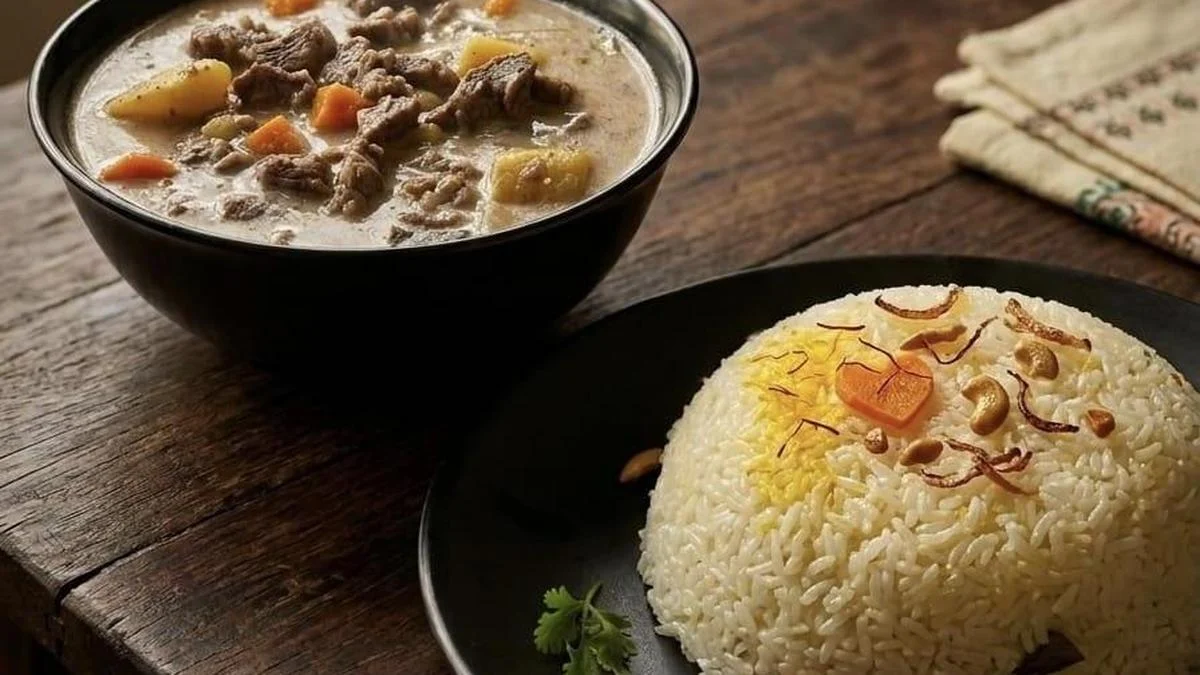
In the quiet, steam-filled kitchens of Kerala, few dishes carry the weight of history and the lightness of comfort quite like the ishtew. Traditionally a quiet accompaniment to the lacy, fermented rice crepes known as appam, this ivory-hued gravy—fragrant with whole spices and enriched with the first press of coconut milk—is undergoing a dramatic commercial renaissance. Once a staple reserved for Sunday mornings or festive Christian feasts, the Kerala stew has stepped out of the shadow of its pairings to become a standalone star in the state’s burgeoning food scene.
From the rise of specialized "stew trucks" to cloud kitchens dedicated to the art of the simmer, the dish is proving that in an era of hyper-spicy "fusion" foods, there is an enduring market for the subtle, the aromatic, and the nostalgic.
Main Facts: The Evolution of a Culinary Staple
The Kerala stew, colloquially known as ishtoo or ishtew, is a masterpiece of minimalism. Unlike the fiery red fish curries or the dark, roasted spice profiles of a traditional Malabar biryani, the stew relies on a delicate balance of coconut milk, ginger, green chilies, and whole spices like cinnamon, cloves, and cardamom. It is a dish defined by its "white" or "pale gold" aesthetic, typically featuring tender pieces of chicken, beef, mutton, or seasonal vegetables alongside cubed potatoes and carrots.
For decades, the stew was categorized as a "side dish," relegated to the breakfast menus of city restaurants alongside egg roasts or kadala (chickpea) curry. However, recent market trends in Kochi suggest a shift in consumer behavior. The dish is being rebranded as a wholesome, all-day meal. Specialized outlets are now focusing exclusively on the "Bread and Stew" or "Appam and Stew" combination, tapping into a deep-seated nostalgia among the Malayali diaspora and urban professionals alike.
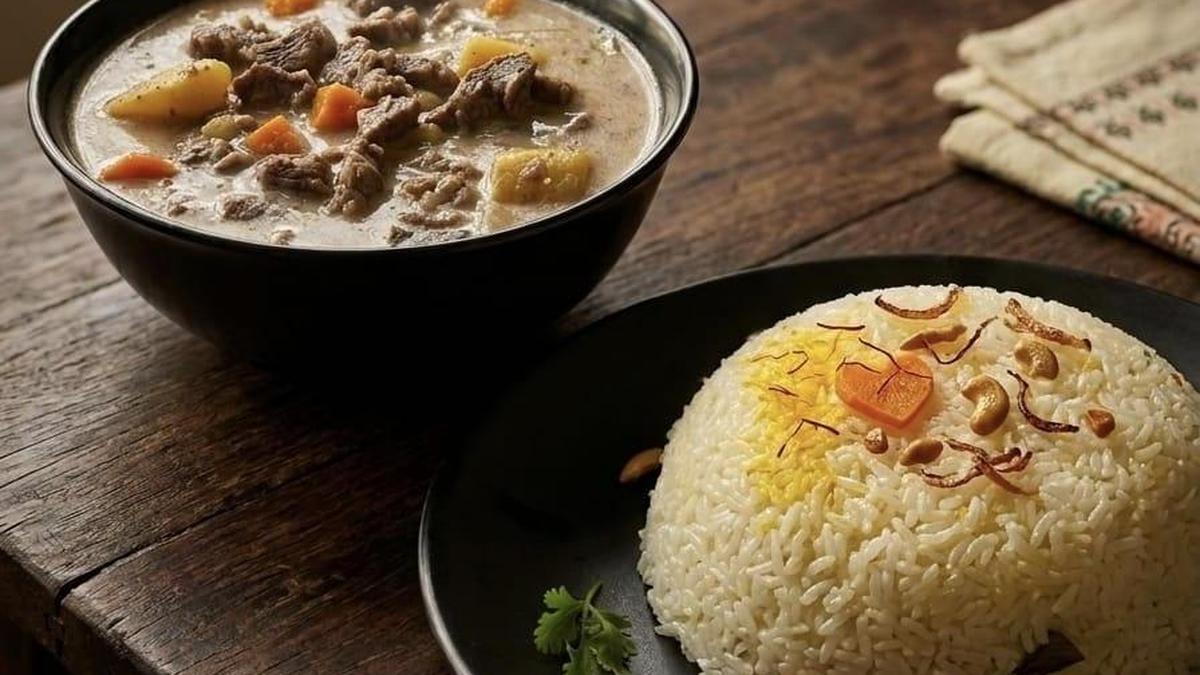
The emergence of dedicated brands like Reems Stew and Bread and Stewmuch signals a new chapter where the complexity of the stew’s preparation—often involving the extraction of multiple grades of coconut milk—is being recognized as a premium culinary craft.
Chronology: From Ancient Trade Routes to the Modern Food Truck
The history of the Kerala stew is a timeline of global convergence. While the word "stew" is undeniably British, the soul of the dish predates the Raj, shaped by centuries of maritime trade.
- Pre-Colonial Era: Historians suggest that early versions of mild vegetable curries existed in Kerala, utilizing the abundance of coconuts. However, these lacked the "English" vegetables like potatoes and carrots that define the modern version.
- The West Asian Influence (8th–10th Century): The use of coconut milk as a primary fat source is often linked to West Asian Jewish settlers. Due to Kosher laws prohibiting the mixing of meat and dairy, coconut milk became the perfect substitute for cream or milk in meat-based broths.
- The Portuguese Arrival (15th Century): The Portuguese introduced New World vegetables—potatoes, carrots, and chilies—which added texture and a different kind of heat to the local broths.
- The British Raj (18th–19th Century): The British brought the concept of the "Irish Stew." Local cooks in the households of British officials adapted the recipe, replacing heavy flour thickeners and dairy with coconut milk and indigenous spices, creating the ishtew we recognize today.
- The 21st Century Commercial Pivot (2020–Present): Following the pandemic, there has been a surge in "comfort food" ventures. In January 2024, the "Stew Truck" concept took Kochi by storm, moving the dish from high-end hotels and traditional homes to the streets of Kakkanad and Panampilly Nagar.
Supporting Data: The Anatomy of a Modern Trend
The success of new-age stew ventures is backed by a shift in dining demographics. According to industry observers, the "lightness" of the stew makes it an attractive option for the health-conscious urbanite who finds traditional coconut-oil-heavy fries too taxing on the digestion.
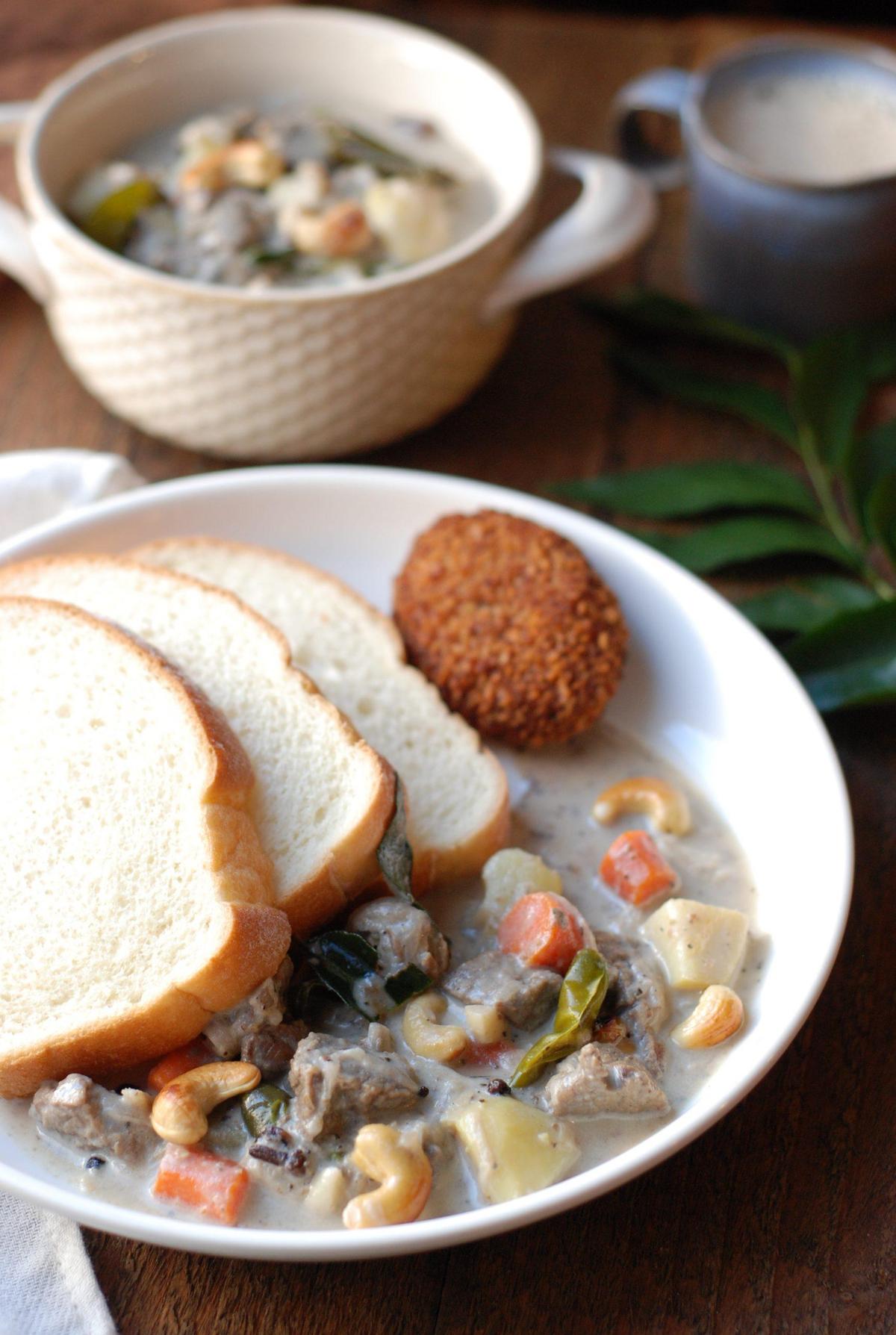
Reems Stew and Bread, a food truck operated by Ajoy ET and his wife Reema, has become a case study in this trend. Operating in Kochi’s IT hub (Kakkanad) and its upscale residential district (Panampilly Nagar), the truck reports "sensational" responses. Their unique selling point is a departure from modern shortcuts; they eschew cornflour as a thickener, opting instead for a rich cashew paste—a technique passed down from Reema’s grandmother.
Similarly, Stewmuch, a cloud kitchen founded by Jishnu KP, reports that the beef stew remains their undisputed bestseller. Their data suggests that the dish’s versatility is its greatest asset. Unlike many Kerala dishes that are strictly associated with one meal (like puttu for breakfast or biryani for lunch), stew maintains a consistent demand across breakfast, lunch, and dinner slots.

Official Responses and Expert Insights: The Cultural Anchor
Historians and chefs agree that the stew’s popularity is inextricably linked to its status as a "memory food."
Tanya Abraham, author of Eating with History: Ancient Trade Influenced Cuisines of Kerala, notes that the dish is a "layered history" on a plate. "The stew is often connected to the Surianis (Syrian Christians), who specifically used pepper and ginger to make it," she explains. Abraham highlights that while the Portuguese brought the vegetables, the Syrian Christians adapted West Asian techniques to create a dish that became a staple of weddings and religious celebrations like Christmas and Easter.
From a culinary perspective, Jishnu KP of Stewmuch points out the distinct regional "dialects" of the stew that are now being merged for a broader palate. "Malabar stew is generally thicker and carries a mild yellow tone with a stronger pepper note," Jishnu observes. "In contrast, Kochi stew is whiter, milder, and slightly sweeter." By balancing these regional characteristics, modern entrepreneurs are creating a "standardized" Kerala stew that appeals to people from across the state.
Ajoy ET of Reems emphasizes the emotional connection: "It is more than food for the Kochiite. It is part of our celebrations. We get calls daily asking for our location because people are looking for that specific ‘taste of home’ that they can’t always replicate in a busy urban life."
Regional Nuances: A Tale of Two Cities
The enrichment of the stew narrative involves understanding the subtle rivalry between the Malabar (North Kerala) and Central Kerala (Kochi/Travancore) versions.
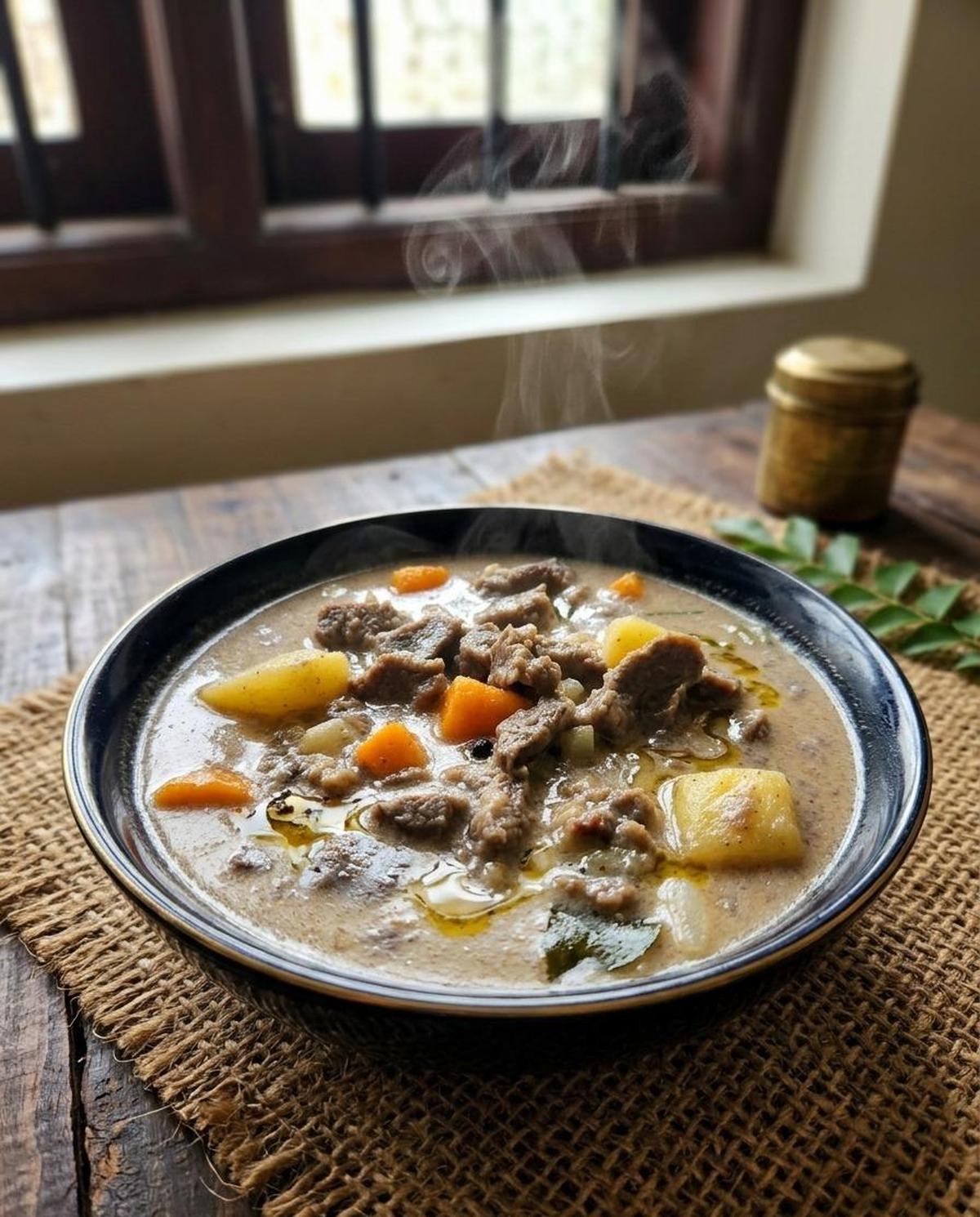
- The Malabar Style: Often served with ghee rice (neychoru) in Kozhikode, this version is more robust. It frequently uses a touch of turmeric, giving it a pale yellow hue, and relies heavily on crushed black pepper for its "kick."
- The Kochi/Syrian Christian Style: This version is the "purist’s" white stew. It is almost always paired with appam or "sweet bread" (local milk bread). The focus here is on the "sweetness" of the coconut milk and the floral notes of cardamom.
The current trend in Kochi sees a fusion of these styles. For example, Stewmuch has introduced the pairing of stew with ghee rice to the Kochi market—a combination previously rare in Central Kerala—to significant acclaim.
Implications: The Future of Kerala’s Gastro-Tourism
The rise of dedicated stew outlets has broader implications for Kerala’s culinary identity and its tourism sector.
1. Standardization of Heritage Recipes:
As brands like Hamza’s Kitchen and Reems gain social media traction, there is a movement toward documenting and standardizing family recipes that were previously never written down. This preserves the "grandmother’s hack" (like the cashew paste thickening) for future generations.
2. The "Cloud Kitchen" Validation:
The success of Stewmuch proves that traditional, slow-cooked heritage dishes can thrive in the cloud kitchen model, which is usually dominated by fast food like burgers and pizzas. This opens the door for other niche Kerala dishes to seek standalone commercial success.
3. Culinary Tourism:
Kochi is increasingly becoming a hub for "food walks." The presence of "stew spots" adds a new layer to the city’s tourist map, offering visitors a taste of the state’s colonial and Christian heritage in an accessible, street-side format.
4. Health and Wellness:
In a global market leaning toward "clean eating," the Kerala stew—with its steamed vegetables, lean proteins, and fermented rice pairings—is well-positioned to be marketed as a healthy, probiotic-rich ethnic meal.
Conclusion: A Warm Hug in a Bowl
The Kerala ishtew is a testament to the power of subtlety in a world of bold flavors. It is a dish that managed to absorb the influences of the Portuguese, the British, and the West Asians, only to emerge as something quintessentially Malayali.
Whether served from a gleaming food truck in the shadow of an IT park or in a quiet ancestral home during Easter, the stew remains, as the locals say, a "warm hug." Its current commercial explosion is not just a trend; it is a homecoming for a dish that has finally been given the spotlight it deserves. As Kochi continues to embrace this ivory gravy, the ishtew stands as a delicious reminder that history, when simmered slowly with the right spices, never truly goes out of style.
