

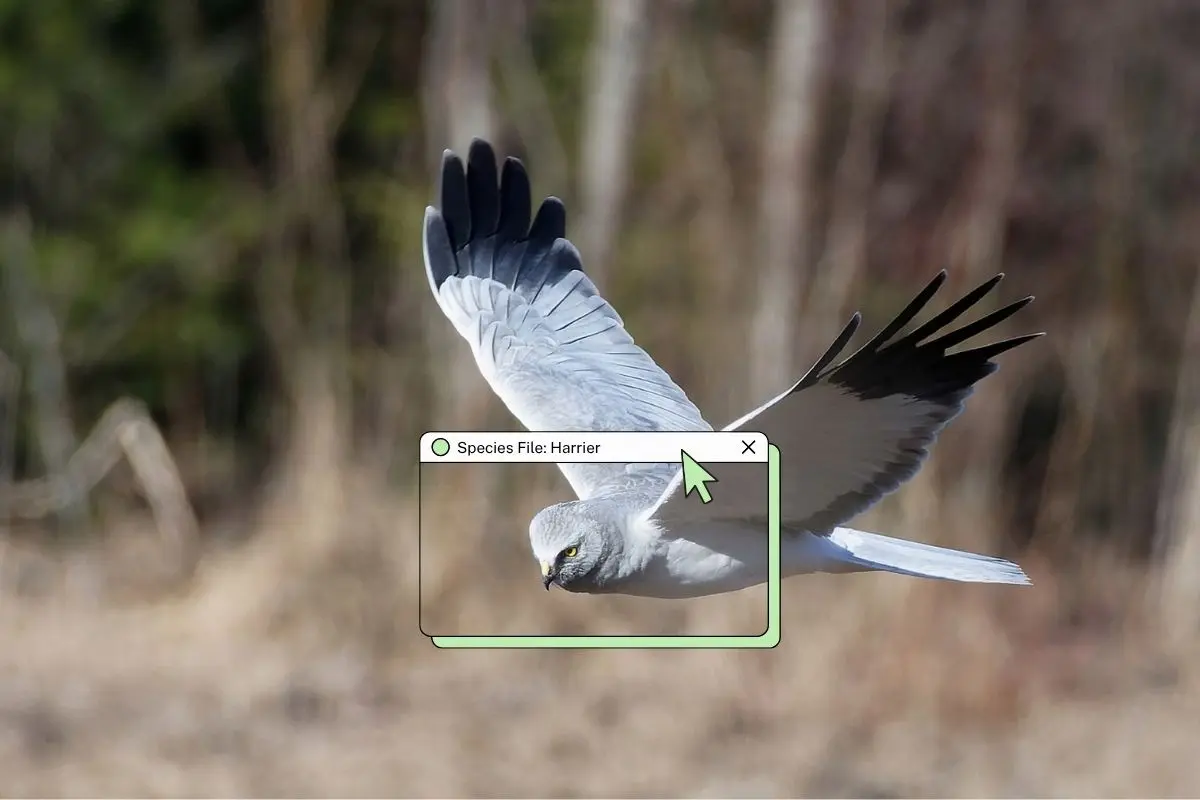
Every year, as the biting cold of the Siberian and Central Asian winter begins to take hold, a silent but spectacular migration commences. Thousands of kilometers away, across the formidable peaks of the Himalayas, a group of slender, long-winged raptors known as harriers begin their descent into the Indian subcontinent. Arriving around July, these birds transform India’s vast, often-overlooked grasslands into theater stages for some of nature’s most sophisticated aerial displays and ecological services.
However, beneath the grace of their "suave mid-air food passes" and their methodical zigzag hunting patterns lies a sobering reality. These "grassland gardeners," essential for both biodiversity and agricultural health, are facing a quiet crisis. Driven by habitat loss and the misclassification of grasslands as "wastelands," harrier populations are in a documented decline, signaling a broader distress call for India’s open natural ecosystems.
Main Facts: The Six Sentinels of the Indian Skies
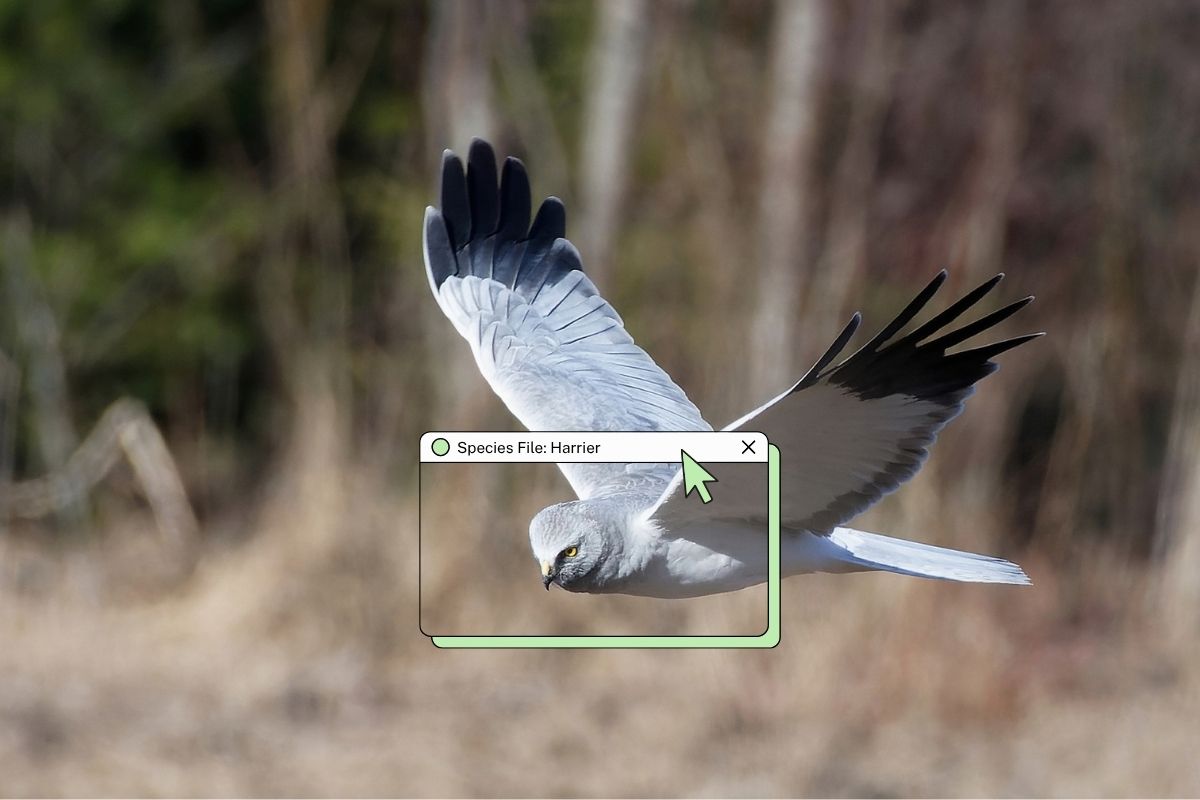
Harriers are unique among raptors. While most birds of prey prefer the heights of craggy cliffs or the dense canopy of forests, harriers are creatures of the open wind. Of the 16 species identified globally, six are regular winter visitors to India: the Montagu’s harrier, the pallid harrier, the hen harrier, the pied harrier, the Eurasian (western) marsh harrier, and the eastern marsh harrier.
Distinctive Biological Traits
Unlike many other raptors that nest and roost in trees, harriers are ground-oriented. They nest on the ground and, perhaps more remarkably, roost communally in large numbers. This social behavior is a rarity among birds of prey. India holds a global distinction in this regard: the Velavadar National Park in Gujarat has historically hosted the world’s largest documented communal roost of harriers, a swirling vortex of thousands of birds settling into the grass at dusk.
The "Grassland Gardener" Discovery
Recent scientific inquiries have added a new layer to our understanding of these birds. Beyond their known role as apex predators of the plains, a study focusing on the pallid and Montagu’s harriers has identified them as "unlikely gardeners." By consuming small birds and mammals that have eaten seeds, the harriers act as dispersal agents. The seeds pass through the raptors’ digestive tracts and are expelled unharmed in new locations, effectively planting the very grasslands they depend on.
Chronology: A Thirty-Year Decline (1985–2015)
The story of the harrier in India is one of seasonal consistency met with long-term environmental degradation. Their arrival in July marks the start of a winter residency that lasts until the following spring. However, the data regarding their presence has shifted dramatically over the last few decades.
The Harrier Watch Program
The Ashoka Trust for Research in Ecology and the Environment (ATREE) initiated the "Harrier Watch" programme to monitor these migratory trends. Their long-term data, spanning from 1985 to 2015, revealed a disturbing trend: a steady and significant decline in the number of harriers roosting together across Indian landscapes.
The Shift in Landscape
In the mid-1980s, grasslands were expansive and relatively contiguous. Over the subsequent thirty years, the chronology of the harrier’s decline tracks almost perfectly with the acceleration of Indian industrialization and agricultural expansion. What were once prime roosting sites have been systematically converted into "productive" land, leaving the birds with fewer places to rest and hunt each returning year.
Supporting Data: Ecological Services and Threats
The harrier’s presence in an ecosystem provides a wealth of "ecosystem services" that are often undervalued until they are lost.
Pest Control and Economic Impact
Harriers are day hunters that use a low-flying, zigzagging technique to scan for prey. Their diet consists of:
- Insects: Particularly grasshoppers and locusts.
- Rodents: Field mice and rats that plague agricultural yields.
- Small Reptiles and Birds: Maintaining the balance of the local food web.
Data suggests that a healthy population of harriers acts as a natural pesticide. By keeping rodent and insect populations in check, they provide a direct, free service to farmers. The decline in harriers often necessitates an increase in chemical pesticide use, creating a vicious cycle where the chemicals further harm the birds by killing their primary food sources.
The IUCN and Legal Standing
While most harriers are listed as "Least Concern" globally, the pallid harrier is currently classified as "Near Threatened" due to a dwindling global population. In India, recognizing their ecological importance and the threats they face, all harriers are afforded the highest level of legal protection under Schedule I of the Wildlife (Protection) Act, 1972. This places them on the same legal footing as the Bengal tiger and the Asian elephant, making any harm to them or their habitat a severe federal offense.
Official Responses: Expert Insights and Conservation Hurdles
Conservationists and researchers have been vocal about the specific pressures facing these migratory raptors. The primary challenge, according to experts, is not just the loss of land, but the perception of the land.
The "Wasteland" Narrative
Vishwatej Pawar, co-founder of The Grasslands Trust, emphasizes that the way the Indian government and public view grasslands is the biggest hurdle to harrier conservation. "Grassland specialist species like the harriers play an important role in stabilising the populations of insects, pests, and even rodents, which helps farmers," Pawar noted in a 2026 report.
However, because grasslands do not have the towering trees of a rainforest, they are frequently categorized as "wastelands" in official land-use records. This classification makes them prime targets for:
- Solar and Wind Power Plants: While "green" in energy production, these massive installations fragment the open skies and ground habitats harriers require.
- Afforestation Projects: Planting trees in natural grasslands—often touted as an environmental win—actually destroys the ecosystem for ground-nesting and open-air hunting species like harriers.
- Infrastructure: The digging of trenches and construction of roads through these plains disrupts the birds’ ability to forage and roost.
The Role of ATREE and NGOs
Organizations like ATREE continue to advocate for a "National Grassland Policy" that would recognize these areas as distinct, vital ecosystems rather than idle land waiting for development. Their research continues to highlight the link between overgrazing by livestock and the thinning of the tall grasses harriers need for communal roosting.
Implications: The Cost of a Harrier-less Horizon
The continued decline of harrier populations carries heavy implications for India’s environmental and economic future.
1. Agricultural Instability
If harrier numbers continue to plummet, the natural check on locusts and rodents will vanish. For a country like India, where a significant portion of the GDP is tied to agriculture, the loss of these biological controllers could lead to increased crop failure and a heavier reliance on toxic, expensive chemical interventions.
2. Loss of Biodiversity "Connectors"
As "grassland gardeners," harriers are responsible for the genetic diversity of the flora in their wintering grounds. Without their seed dispersal services, the resilience of Indian grasslands to climate change may weaken, as plant species lose their ability to migrate across fragmented landscapes.
3. The Canary in the Grassland
Harriers are considered "indicator species." Their health and population density reflect the health of the entire grassland ecosystem. Their decline suggests that the very foundation of India’s open natural ecosystems—the soil, the insects, and the small mammals—is under unsustainable pressure.
4. Conservation Strategy Shift
The plight of the harrier necessitates a shift in conservation strategy. Protecting a species that migrates across continents and roosts on the ground cannot be achieved through small, fenced-off sanctuaries alone. It requires a landscape-level approach that integrates bird-friendly farming, the regulation of renewable energy footprints, and a fundamental reclassification of "wastelands" into "protected open ecosystems."
As the harriers prepare for their long flight back to the Russian steppes each spring, they leave behind an ecosystem that is increasingly under siege. The survival of these suave, low-gliding raptors is inextricably linked to our willingness to see the value in a simple blade of grass and the open, uninterrupted horizon of the Indian plains. Without intervention, the "gardener" may soon find it has no garden left to tend.
