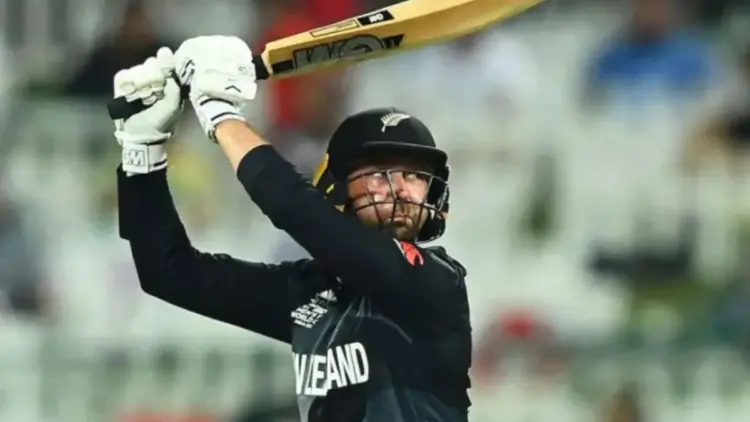
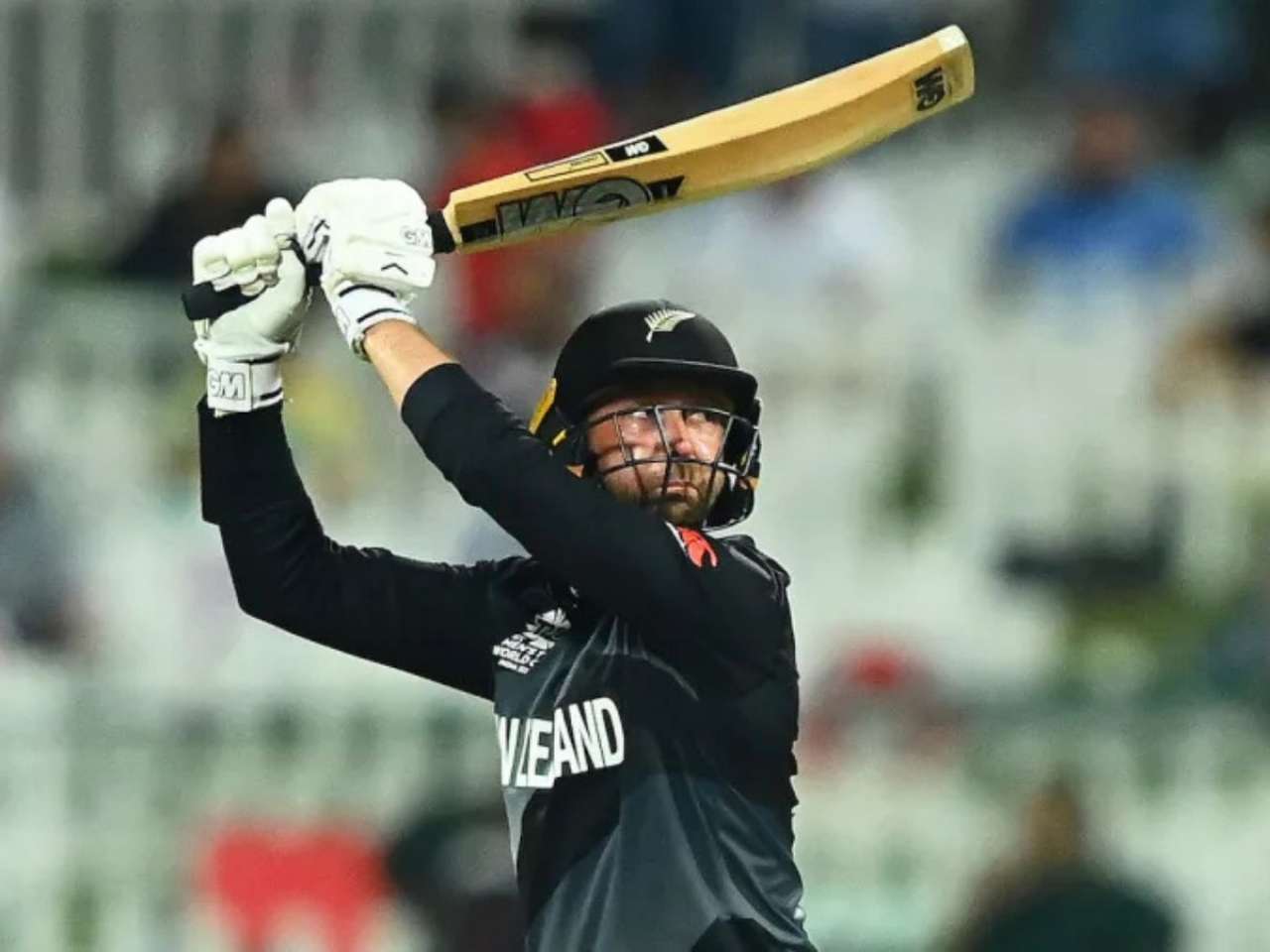
A formidable challenge for New Zealand just days before their crucial One-Day International series opener against India has escalated dramatically, with star wicketkeeper-batter Devon Conway officially ruled out of the first match. The left-handed opener sustained a concussion following an unfortunate collision with teammate Matt Henry during a training session, casting a pall over the Blackcaps’ preparations and significantly deepening their existing injury crisis.
This latest setback exacerbates an already precarious situation for the touring New Zealand side, who were already grappling with the unavailability of key players like Mark Chapman and Rachin Ravindra. The loss of Conway, a pivotal figure at the top of the batting order and a reliable presence behind the stumps, leaves a substantial void that the team management will be hard-pressed to fill as they prepare to face a formidable Indian squad on their home turf.
A Troubling Chronology of Setbacks
The tranquil atmosphere of a routine training session at Eden Park on Tuesday was abruptly shattered by an incident that has sent shockwaves through the New Zealand camp. As players honed their skills, a seemingly innocuous fielding drill turned perilous when Devon Conway and pace spearhead Matt Henry collided while both attempting to take a catch. The immediate aftermath was concerning, with both players receiving prompt medical attention for suspected head injuries.
While initial assessments were underway, the gravity of the situation became clear when Conway was transported to a local hospital for further evaluation. The subsequent confirmation of a concussion delivered the grim news that he would be unavailable for the opening ODI against India. This incident not only sidelines a top-order linchpin but also highlights the inherent risks, however rare, associated with even the most standard training routines in professional sport.
Matt Henry, the other player involved in the collision, was fortunate to escape with his condition listed as "under observation." However, the incident adds another layer of complexity to Henry’s own journey back to full fitness, as he was only just returning from a low-grade tear in his right quadriceps that had forced him to miss the preceding three T20 Internationals against India. The dual impact of the collision on two crucial members of the squad underscores the unfortunate turn of events for the Blackcaps.
This latest blow follows a disturbing pattern of player unavailability that has plagued New Zealand in the lead-up to the series. Before Conway’s concussion, the team had already confirmed the absence of middle-order batter Mark Chapman and dynamic all-rounder Rachin Ravindra. Chapman had been sidelined due to a hamstring injury, while Ravindra’s absence was attributed to a knee complaint. These earlier injuries had already tested the depth of the squad, forcing strategic adjustments and placing additional pressure on the remaining fit players. The cumulative effect of these medical emergencies has left the Blackcaps’ squad looking increasingly threadbare and their strategic options considerably limited, even before the first ball of the series has been bowled.

Supporting Data and Context: The Deep Chasm Left by Absences
The true magnitude of Devon Conway’s absence cannot be overstated. Since his international debut, Conway has rapidly ascended to become one of New Zealand’s most consistent and valuable performers across all formats. In One-Day International cricket, his meticulous technique, exceptional temperament, and ability to anchor an innings while also accelerating when required have made him an indispensable component of the Blackcaps’ top order. His left-handed batting provides crucial variety and balance, disrupting opposition bowling plans and offering a calming presence in high-pressure situations.
Conway’s versatility also extends to his wicketkeeping duties, providing the team with a specialist option behind the stumps. While not his primary role in all limited-overs fixtures, his dual skillset offers invaluable flexibility, allowing the team to play an extra bowler or an all-rounder. Losing such a multi-faceted player forces not only a batting replacement but also potential considerations for wicketkeeping, though Tim Seifert, the likely replacement, also offers this capability. The immediate impact is a significant weakening of the batting unit, particularly at the crucial opening slot, which sets the tone for the entire innings.

The situation with Matt Henry, while not as immediately critical as Conway’s, also carries considerable weight. Henry is a seasoned campaigner and a vital cog in New Zealand’s pace attack. His ability to swing the new ball, extract bounce, and bowl probing lengths makes him a threat in all conditions, especially in the early overs. His recent quadriceps injury was already a concern, highlighting the physical toll of modern cricket. The training collision, while not ruling him out, places him under heightened scrutiny and raises questions about his full fitness and rhythm, which could impact his effectiveness if he does play. For a team already short on frontline options, having a key bowler potentially operating at less than 100% is a considerable disadvantage, especially against an aggressive Indian batting lineup.
The broader implication of these multiple injuries is the severe strain it places on New Zealand’s bench strength. While the Blackcaps pride themselves on their robust domestic structure and the depth of talent it produces, a series of concurrent injuries to key players tests even the most resilient system. The replacements called upon, while talented, may not possess the same level of international experience or established form as those they are replacing. This can lead to a domino effect, where one injury necessitates a reshuffle that might compromise the team’s overall balance or expose less experienced players to high-pressure situations prematurely. Against a top-ranked team like India, playing at home, the margin for error is already minimal, and a depleted squad makes the task exponentially harder.

Historically, New Zealand has been lauded for its resilience and ability to punch above its weight, often overcoming resource limitations through collective effort and strategic acumen. However, even the most battle-hardened teams struggle when critical components are removed. This series of injuries creates a significant psychological hurdle, forcing the team to constantly adapt and rebuild their strategy rather than focusing solely on executing their primary game plan. The disruption to settled combinations, particularly at the top of the order and in the bowling attack, can undermine team cohesion and confidence, which are crucial against a formidable opponent.
Official Responses and Strategic Adjustments
The official communication from New Zealand Cricket (NZC) regarding the incident underscored the seriousness with which player welfare, particularly in the context of head injuries, is now treated in professional sport. "Conway was transported to the hospital, where his concussion was confirmed," stated the NZC. "Both athletes will continue to be monitored, and updates regarding their participation in the ODI series against India will be provided in due time." This commitment to thorough medical assessment and monitoring reflects the strict concussion protocols that have become standard in cricket, prioritising player health above all else, even if it means losing a star player for a crucial fixture.

Captain Mitchell Santner, addressing the media in the aftermath of the news, conveyed both disappointment and a pragmatic outlook regarding the team’s immediate future. His remarks provided a clear indication of the likely tactical adjustments that the Blackcaps will be forced to make. "Yeah, I guess he’s [Seifert] the back-up batter in our squad. So it’ll probably be a direct swap if Dev’s unavailable, which is a shame," Santner stated, acknowledging the irreplaceable quality of Conway. "He [Conway] is obviously very good in one-day cricket and, you know, was biding his time in the T20 series. And, yeah, I guess another one of those freak accidents that happens."
Santner’s comments confirm that Tim Seifert is the leading candidate to fill the vacant opening slot alongside Henry Nicholls. Seifert, a dynamic wicketkeeper-batter known for his aggressive strokeplay, offers a similar profile to Conway in terms of being a wicketkeeper who can bat at the top. His inclusion would maintain the left-right opening combination with Nicholls, which is often preferred for unsettling opposition bowlers. While Seifert has shown glimpses of brilliance at the international level, stepping into Conway’s shoes against a high-quality Indian bowling attack will be a significant challenge and a test of his temperament and form.

The decision to opt for Seifert as a "direct swap" reflects the pragmatic approach necessitated by the sudden nature of the injury. With limited time to consider radical tactical shifts, relying on a like-for-like replacement who is already part of the touring squad makes logical sense. However, the coaching staff, led by Gary Stead, will undoubtedly be exploring other permutations. Could there be a scenario where a middle-order batter is promoted, or a different specialist opener is flown in if the injury layoff is prolonged? For the first ODI, however, the choice appears clear. The challenge for Stead and Santner will be to instill confidence in Seifert and integrate him seamlessly into the opening partnership, ensuring that the team’s batting rhythm is not unduly disrupted. This requires not only tactical acumen but also strong leadership to manage the morale and focus of a squad dealing with successive setbacks.
Broader Implications for the Series and Beyond
The loss of Devon Conway, coupled with the prior injuries to Chapman and Ravindra, casts a long shadow over New Zealand’s prospects in the upcoming ODI series against India. India, playing in front of their passionate home crowd, are already formidable opponents, boasting a well-rounded squad with depth in both batting and bowling. The Blackcaps were already facing an uphill battle; now, they must contend with a significantly weakened lineup. The first ODI will be crucial, as an early defeat could severely dent the team’s confidence and make it exceedingly difficult to mount a comeback in the remainder of the series.

Beyond the immediate tactical disadvantages, the psychological toll of multiple injuries can be profound. A touring squad, far from home, relies heavily on camaraderie and a sense of collective strength. When key players are sidelined unexpectedly, it can create an atmosphere of uncertainty and challenge the team’s morale. The remaining players might feel an increased burden, potentially leading to individual pressures that affect their performance. Managing this mental aspect will be as critical as any tactical adjustment for the New Zealand leadership.
The incident also serves as a stark reminder of the increasing focus on player welfare and the stringent concussion protocols in modern cricket. While unfortunate, the swift medical attention and the decision to rule Conway out underscore the commitment to protecting athletes from the long-term consequences of head injuries. This emphasis on safety, though sometimes resulting in the loss of star players, is a welcome development for the sport. It ensures that players are not rushed back into action before they are fully recovered, safeguarding their health for the present and future.

For Devon Conway himself, the timing of this injury is particularly cruel. Having likely been eager to make an impact in the ODI series, this setback will force him onto the sidelines for an indeterminate period. The concern will be not only for his recovery for the remainder of this series but also for any potential lingering effects that could impact his availability for future international assignments. Concussion recovery can be unpredictable, and careful management will be paramount to ensure his long-term well-being and return to form.
However, amidst the gloom, there lies an opportunity for others. For Tim Seifert, this is a chance to cement his place in the ODI squad and demonstrate his capability to perform under pressure against a top-tier opponent. Similarly, other players will be called upon to step up and shoulder greater responsibility, showcasing the depth and fighting spirit that New Zealand cricket is renowned for. While the task ahead is undoubtedly monumental, the Blackcaps have a history of defying expectations and rallying in the face of adversity. The challenge now is to channel that resilience and prove that even a depleted squad can compete against the best in the world. The series opener against India will be a true test of their character, strategic depth, and collective resolve.