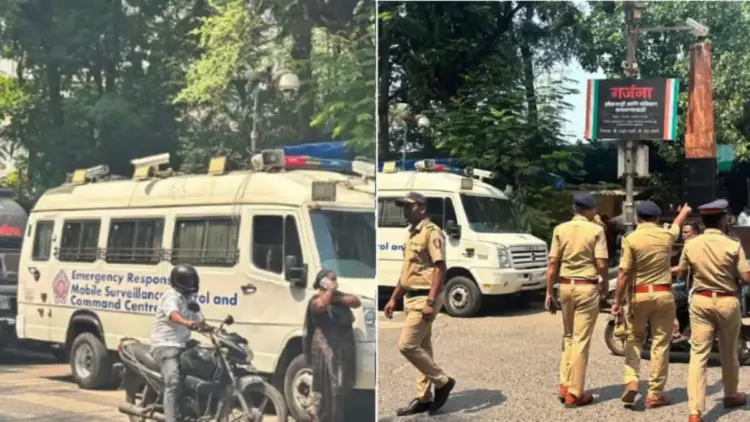
Mumbai, October 2, 2026 – Mumbai’s iconic Shivaji Park, a historical crucible of political and cultural movements, was transformed into an impregnable fortress today as authorities moved decisively to preempt an unauthorized "jail-bharo" (fill the jails) protest planned by the Citizens’ Justice Party (CJP). A massive security deployment, unparalleled for a non-festival gathering at the venue, saw thousands of police personnel, specialized anti-riot units, and advanced surveillance mechanisms descend upon the sprawling ground, effectively sealing it off from any potential assembly. The police unequivocally stated that the gathering had not been permitted, setting the stage for a tense standoff that underscored the delicate balance between the right to protest and the imperative of maintaining public order.
The pre-emptive action by the Mumbai Police comes amidst heightened vigilance across the metropolis, following intelligence reports suggesting the CJP intended to proceed with its protest despite explicit denials of permission. The "jail-bharo" call, a tactic steeped in India’s history of civil disobedience, signaled the organizers’ intent to court arrest en masse, potentially leading to widespread disruption and law and order challenges. As the city held its breath, the heavy security cordon around Shivaji Park served as a stark visual testament to the state’s resolve to prevent any unauthorized congregation.
Main Facts: Shivaji Park Under Siege
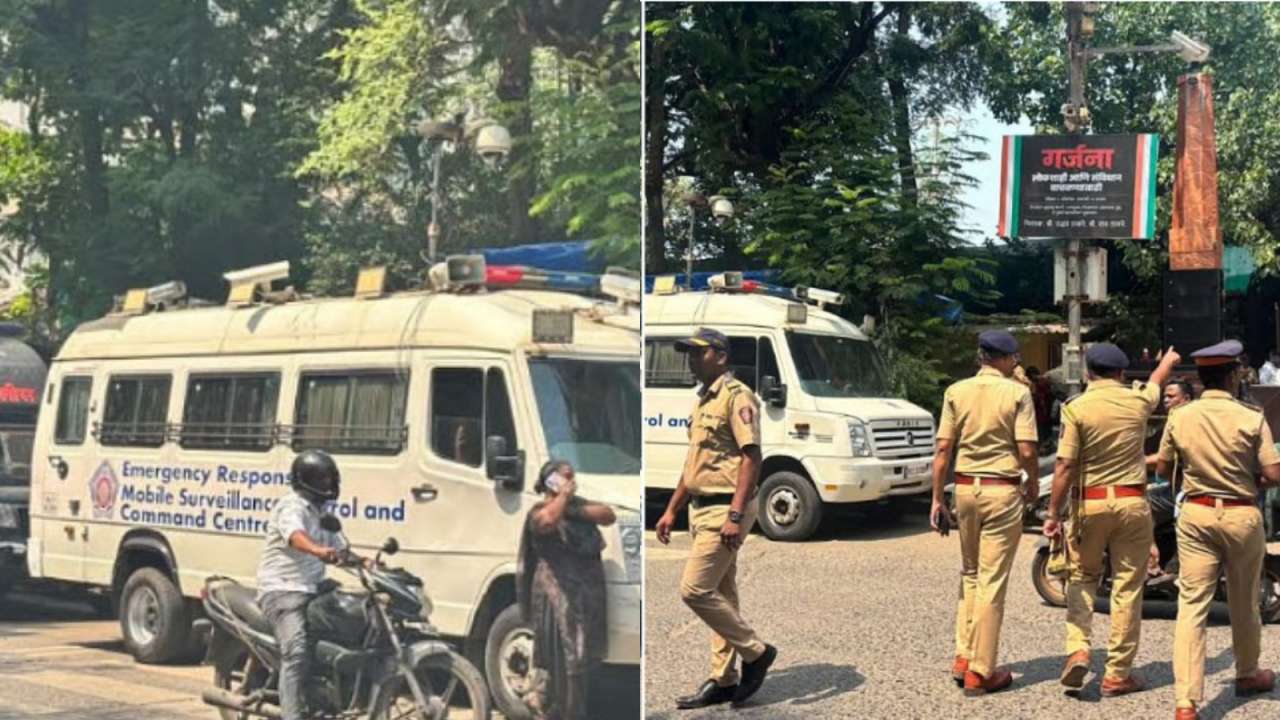
At the heart of the unprecedented security operation is Shivaji Park, a revered public space that has witnessed countless historic rallies, cultural events, and celebrations. Today, however, its familiar open expanse was obscured by a phalanx of barricades, police vehicles, and uniformed personnel. The main entrance to the park was sealed shut, fortified by a dozen layers of steel barriers that extended far beyond the immediate perimeter. The entire area surrounding the ground, a usually bustling residential and commercial hub, was cordoned off, with only authorized personnel allowed access.
The CJP’s planned "jail-bharo" protest, the specific grievances of which remained largely unarticulated by the organizers in public statements, was viewed by authorities as a significant potential flashpoint. The decision to proceed without official sanction left the police with little option but to enforce public order regulations with a robust display of force. The deployment included not only local police divisions but also specialized units like the Quick Response Team (QRT), anti-riot squads, and even dog squads, highlighting the comprehensive nature of the security strategy. Plain clothes officers were also strategically positioned to monitor activities and gather intelligence, particularly concerning potential mobilization efforts.
Social media platforms, often a primary tool for organizing and disseminating information about protests, were under intense scrutiny. Authorities were actively monitoring posts related to the CJP’s planned action, tracking discussions, potential calls for assembly, and any content that could incite unrest or provide real-time updates to would-be protesters. This digital surveillance formed a crucial component of the police’s multi-pronged approach to preventing the unauthorized gathering from taking root.
The scale of the operation sent a clear message: Mumbai Police would not tolerate any breach of public order, especially for an event lacking the necessary official approvals. The day unfolded with a palpable tension, as the city watched to see if the CJP would attempt to challenge the formidable police presence, or if the sheer display of state power would successfully deter the intended protest.

Chronology of Escalation: From Announcement to Fortification
The events leading up to today’s extraordinary security deployment at Shivaji Park unfolded over several days, marking a calculated escalation between the protest organizers and law enforcement.
Early October 2026 – CJP’s Announcement and Police Denial:
The Citizens’ Justice Party (CJP) had, several days prior to October 2nd, publicly announced its intention to stage a "jail-bharo" protest at Shivaji Park. While the precise demands of the protest were not widely publicized in the initial reports, the choice of a "jail-bharo" indicated a commitment to civil disobedience and courting arrest to draw attention to their cause. Upon learning of the CJP’s intentions, Mumbai Police authorities immediately conveyed that such a large-scale gathering in a public space would require formal permission, which was subsequently denied. Police sources indicated that the denial was based on concerns over potential disruption to public life, traffic congestion, and the general maintenance of law and order, particularly given the "jail-bharo" nature of the proposed action.

Thursday Evening, October 1, 2026 – Pre-Emptive Assessment:
As the scheduled date for the protest drew closer, intelligence inputs suggested that the CJP might proceed despite the lack of official sanction. Reacting to these inputs, senior police officers, including those from the Joint Commissioner and Deputy Commissioner ranks, conducted a comprehensive inspection of Shivaji Park on Thursday evening. The officers meticulously assessed the park’s main gates, peripheral roads, and other sensitive points, identifying potential entry and exit routes, strategic locations for deployment, and vulnerable spots. This on-the-ground assessment was crucial in formulating the detailed security plan that was subsequently put into action. During this inspection, officials reiterated their readiness to handle a large crowd, emphasizing that additional personnel and resources would be mobilized if the situation warranted it.
Early Morning, Friday, October 2, 2026 – The Dawn of Deployment:
Hours before the CJP’s proposed protest was slated to begin, the first wave of police deployment commenced at Shivaji Park. Under the cloak of early morning darkness, police contingents began to arrive, systematically barricading all access points. By dawn, the park was already encircled by multiple layers of steel barricades, effectively sealing off the venue. Heavy police vehicles, including those carrying anti-riot gear, were strategically positioned. The main entrances were bolted shut, and personnel took up positions, transforming the green expanse into a security zone. Residents waking up to their usual morning routines were met with an unprecedented scene of police presence, signaling that this was no ordinary day.

Throughout Friday, October 2, 2026 – The Standoff:
As the day progressed, the security presence intensified. More units, including QRT and dog squads, arrived. Plain clothes officers blended into the periphery, observing and reporting. Social media teams actively monitored online chatter for any signs of mobilization or new instructions from the CJP. While no significant gathering of protesters materialized directly at the park due to the overwhelming police presence, small groups attempting to approach the cordon were swiftly intercepted and dispersed. The day remained largely peaceful, a testament to the police’s pre-emptive strategy, but the atmosphere remained charged with the underlying tension of the averted confrontation.
Supporting Data and Context: The Significance of Shivaji Park and ‘Jail-Bharo’
The choice of Shivaji Park as a protest venue is deeply symbolic and adds layers of context to today’s events. More than just a public ground, Shivaji Park holds immense historical, political, and cultural significance for Mumbai and Maharashtra.

Shivaji Park: A Cradle of Movements:
Located in Dadar, Shivaji Park is synonymous with Mumbai’s political landscape. It is famously known as the birthplace of the Shiv Sena, a prominent regional political party, and has been the traditional venue for its annual Dussehra rallies, which often draw massive crowds and set the political agenda for the state. Beyond politics, it has hosted numerous cultural festivals, sports events, and public gatherings, making it a highly visible and accessible space for public expression. Its central location and historical resonance mean that any event held here garners significant attention, making it a prime target for activists seeking maximum impact. The police’s rigorous efforts to secure it underscore its strategic importance.
The ‘Jail-Bharo’ Tactic: A Legacy of Civil Disobedience:
The CJP’s call for a "jail-bharo" protest invokes a powerful tradition of civil disobedience in India. The term, literally meaning "fill the jails," refers to a strategy where protesters deliberately court arrest en masse, aiming to overwhelm the judicial and correctional systems and highlight the perceived injustice of the laws they are opposing. This tactic was famously employed during India’s freedom struggle by Mahatma Gandhi and his followers, and has since been adopted by various social and political movements. By signaling an intent to "fill the jails," the CJP was not merely planning a protest; it was declaring a deliberate challenge to the state’s authority and its legal framework, which necessitates a robust response from law enforcement. The absence of specific demands from CJP in public domain only added to the police’s apprehension regarding the potential for an unfocused and therefore unpredictable mass action.

Legal Framework and Public Order:
In India, the right to protest is a fundamental aspect of democratic freedom, enshrined under Article 19(1)(a) and (b) of the Constitution (freedom of speech and expression, and freedom to assemble peacefully and without arms). However, these rights are not absolute and are subject to "reasonable restrictions" in the interest of public order, morality, or security of the state. Organizing large public gatherings, especially in bustling urban centers like Mumbai, typically requires prior permission from local police authorities. This permission process allows authorities to assess potential risks, manage traffic, and ensure adequate security arrangements. When such permission is denied, as in the CJP’s case, proceeding with the gathering becomes an unauthorized act, allowing police to take pre-emptive measures to prevent any breach of law and order, including the deployment of Section 144 of the Criminal Procedure Code, which prohibits the assembly of four or more people. While not explicitly confirmed for Shivaji Park, such measures are standard procedure in similar situations.
Police Preparedness: A Multi-faceted Approach:
The comprehensive security plan showcased the Mumbai Police’s advanced capabilities and preparedness for crowd control and public order management.

- Anti-Riot Squads: These specialized units are trained in non-lethal crowd dispersal techniques, equipped with shields, helmets, batons, and sometimes tear gas or water cannons. Their presence acts as a deterrent and ensures that police can manage volatile situations without resorting to excessive force.
- Quick Response Team (QRT): QRT units are highly trained commandos equipped for rapid deployment in emergency situations, including counter-terrorism operations or swift intervention in rapidly escalating crowd situations. Their presence signifies a high level of alert and readiness for any eventuality.
- Dog Squads: While often associated with detection of explosives or contraband, police dogs can also be used in crowd control scenarios, particularly to deter aggressive individuals or to track fleeing suspects. Their deployment underscores the multi-agency approach to security.
- Plain Clothes Personnel: Undercover officers are crucial for intelligence gathering, identifying key organizers or instigators, and monitoring the general mood and activities within and around a crowd. Their ability to blend in provides valuable real-time information to commanders.
- Social Media Monitoring: The digital age has transformed protest organization. Police units now routinely monitor social media platforms like X (formerly Twitter), Facebook, and WhatsApp for calls to action, real-time updates from protesters, and potential misinformation. This digital intelligence is vital for anticipating movements and responding effectively.
Official Responses: A Firm Stance on Law and Order
Throughout the day, official statements from the Mumbai Police consistently reiterated their firm stance on maintaining law and order and preventing unauthorized gatherings.
Mumbai Police’s Unwavering Resolve:
A senior police official, speaking on condition of anonymity due to the ongoing nature of the operation, emphasized the police’s commitment to public safety. "The CJP’s proposed gathering did not have the necessary permissions. Our primary duty is to ensure the safety and security of all citizens and to prevent any disruption to public life," the official stated. "The deployment is a pre-emptive measure to prevent any unauthorized assembly and potential breakdown of law and order that a ‘jail-bharo’ protest, by its very nature, could entail."

Joint Commissioner of Police (Law and Order) Shreekant Pathak, who was reportedly overseeing parts of the operation, had earlier confirmed the denial of permission and the necessity of the heavy deployment. "We are prepared to deal with any situation. Our personnel are on high alert, and we have adequate resources to manage any crowd, should they attempt to gather," he remarked, underscoring the police’s comprehensive readiness. The police also clarified that while the right to peaceful protest is respected, it must be exercised within the confines of the law and with due permissions.
CJP’s Silence and Local Reactions:
While the police were vocal in their justification, representatives from the CJP remained largely out of the public eye during the heightened security operation. There were no immediate statements from the organizers condemning the police action or reiterating their demands, which contributed to the impression of a protest effectively neutralized before it could begin.

However, the extraordinary measures did not go unnoticed by local residents. One resident, identified by IANS as merely a local of Shivaji Park, expressed surprise at the scale of the deployment: "We are not protesting. We are residents of Shivaji Park, and we are just taking a round of the area. There is such a large crowd here and so many police personnel, and a stage has been set up there…" This quote, while denying direct participation in the protest, inadvertently highlighted the sheer visibility and impact of the police presence on the daily lives of those living around the park. It also hinted at the possibility of a stage or setup that the CJP might have planned, further justifying the police’s pre-emptive actions. The disruption to routine activities, while necessary for security, was a tangible consequence for the local populace.
Implications: A Precedent Set and a Balance Examined
The events at Shivaji Park carry significant implications for protest movements, law enforcement, and the broader societal discourse in Mumbai and beyond.

For Protest Organizers and Civil Society:
The decisive action by Mumbai Police serves as a stern warning to any organization contemplating unauthorized protests, especially those employing tactics like "jail-bharo." It establishes a clear precedent that authorities are prepared to deploy overwhelming force to prevent such gatherings from materializing. This could force protest organizers to reconsider their strategies, emphasizing the importance of securing necessary permissions and engaging in dialogue with authorities. For civil society groups, it underscores the challenges of exercising the right to assembly in urban centers when authorities perceive a significant threat to public order. It might also lead to more innovative, perhaps decentralized, forms of protest that are harder to contain.
For Law Enforcement and Public Administration:
The successful prevention of a potentially disruptive unauthorized protest is a significant achievement for the Mumbai Police. It demonstrates effective intelligence gathering, strategic planning, and efficient deployment of resources. The operation reinforces the police’s authority and their capacity to maintain peace in a complex metropolitan environment. It also sets a benchmark for how future large-scale unauthorized gatherings might be handled, potentially streamlining procedures and resource allocation for similar scenarios. However, such large-scale deployments also entail substantial financial and human resource costs, raising questions about sustainability and the long-term approach to managing dissent.

Societal and Political Ramifications:
The incident at Shivaji Park brings into sharp focus the delicate balance between fundamental democratic rights, such as freedom of assembly, and the state’s responsibility to maintain public order and security. While many would commend the police for preventing potential chaos, others might view the extensive deployment as an overreach, stifling legitimate dissent. This tension is inherent in any democracy, and how it is managed reflects the health of its institutions.
Furthermore, the lack of explicit demands from the CJP for their "jail-bharo" protest leaves a vacuum that could be filled by speculation or, conversely, highlights the effectiveness of the police’s pre-emption in preventing any message from being widely broadcast. In the broader political landscape, such incidents can sometimes be politicized, with different factions interpreting the events to suit their narratives, especially in a politically charged state like Maharashtra.

The deployment of advanced surveillance techniques, particularly social media monitoring, also raises questions about privacy and the extent of state oversight in the digital realm. While justified by authorities as necessary for public order, the continuous monitoring of citizens’ online activities is a topic of ongoing debate.
As Mumbai slowly returns to its usual rhythm, the fortified image of Shivaji Park today will likely linger as a powerful reminder of the state’s resolve and the intricate challenges of urban governance in a vibrant, democratic society. The CJP, having been effectively silenced at their chosen venue, will now face the challenge of regrouping and redefining their strategy in the wake of this robust police response, potentially shifting the dynamics of protest movements in the city for the foreseeable future.