

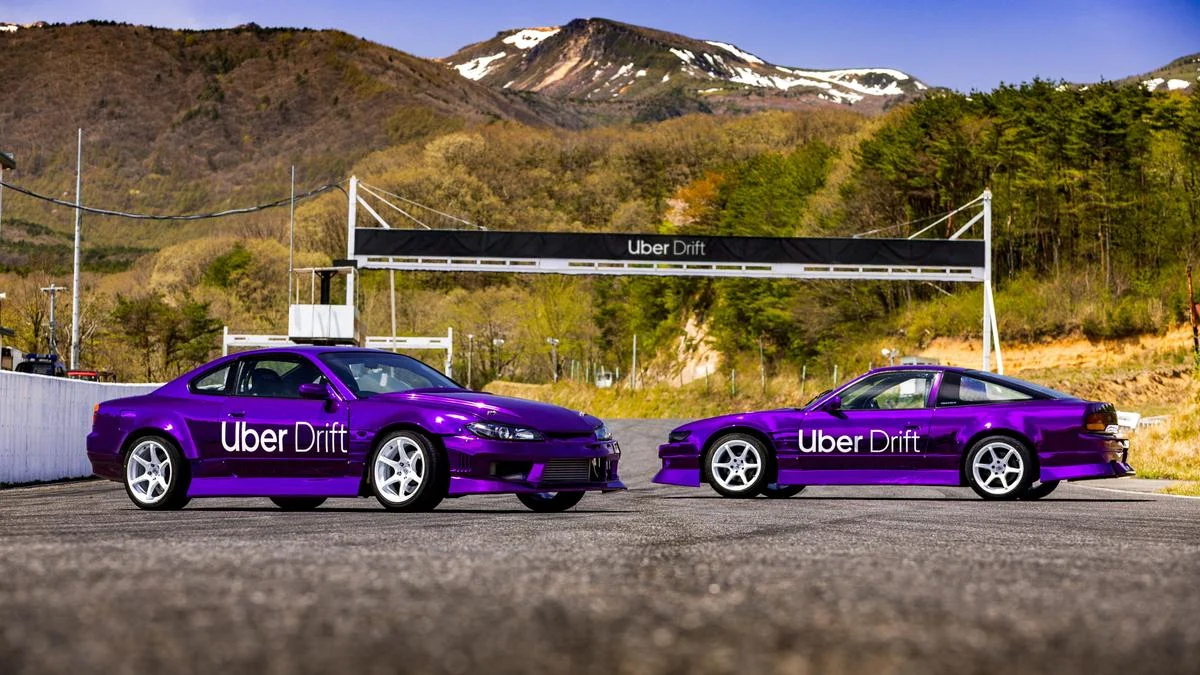
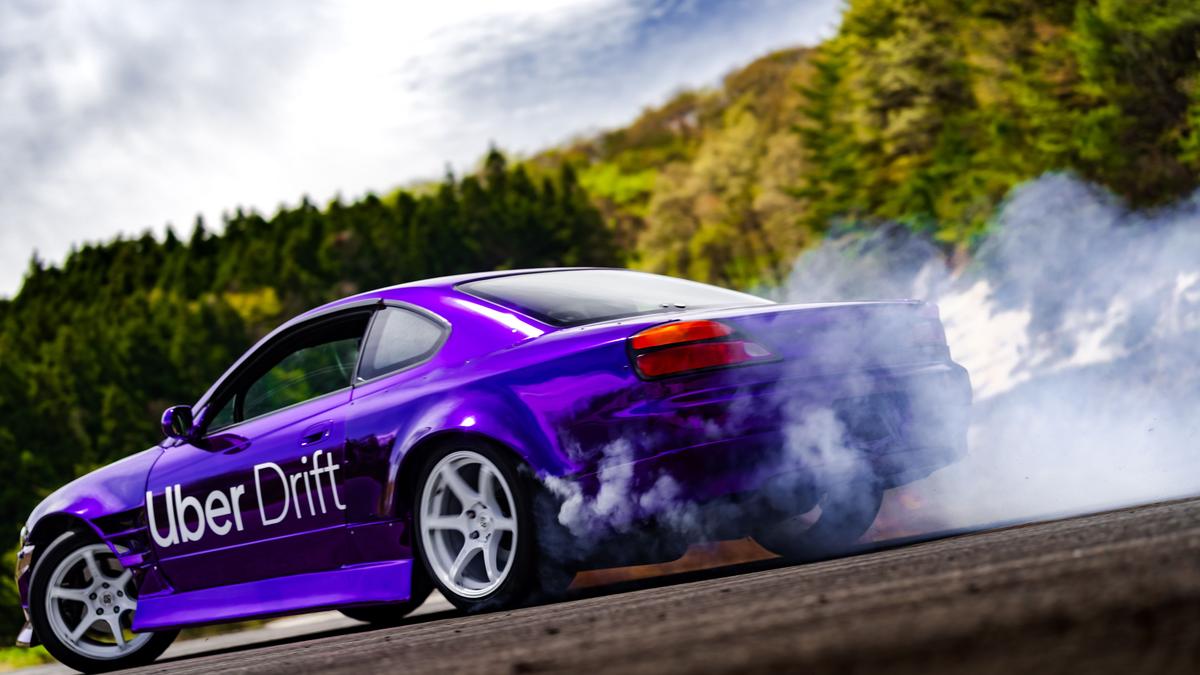
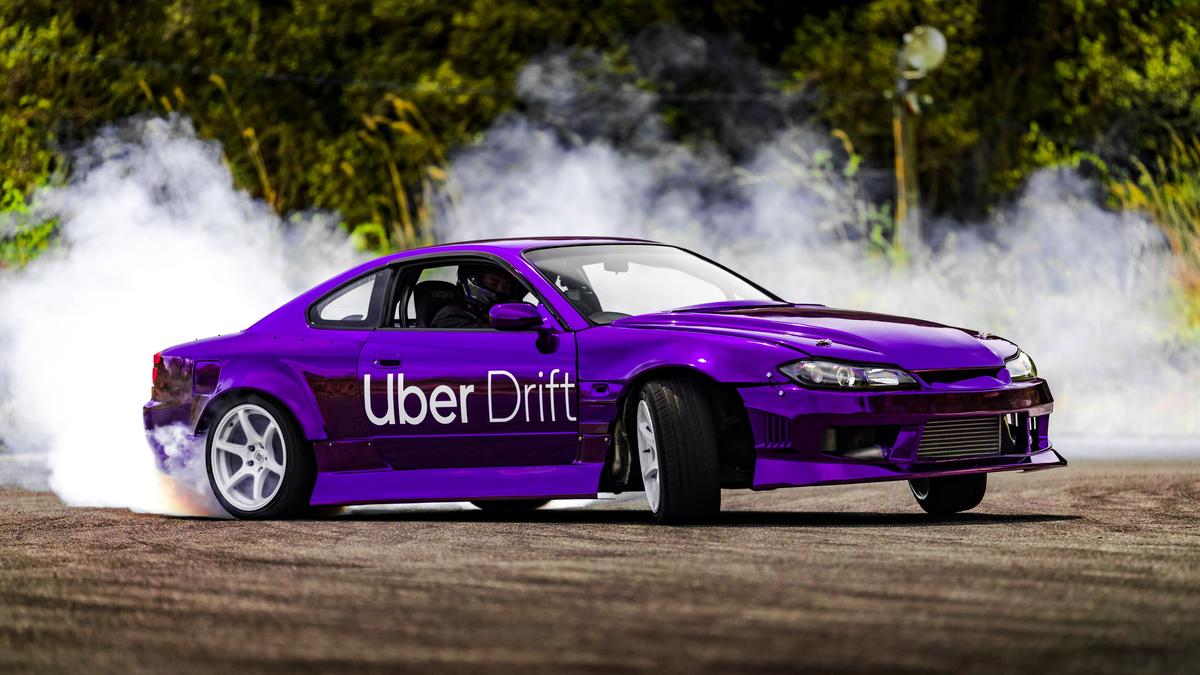
The air at Mobara Twin Circuit, a sprawling asphalt sanctuary nestled in the Chiba Prefecture about 90 minutes outside the neon sprawl of Tokyo, is thick with a specific, acrid perfume: the scent of atomized rubber and high-octane fuel. To the uninitiated, the scene appears to be one of imminent mechanical disaster. A vibrant Nissan Silvia S15, its engine screaming at the rev limiter, hurls itself toward a corner at a trajectory that defies the laws of conventional physics.
Inside the cabin, the perspective shifts from chaos to clinical precision. Strapped into the passenger seat, one watches Fausto, a reigning drift champion, work with the rhythmic intensity of a concert pianist. His hands dance across the steering wheel, applying millimetric corrections of opposite lock, while his feet modulate the throttle and clutch to keep the car suspended in a perpetual state of controlled oversteer. Through the side window, the front bumper of a trailing Nissan 180SX hovers inches away—a high-speed ballet where the margin for error is measured in millimeters.
This is the essence of drifting in Japan. What looks like a loss of control from the grandstands is, in reality, one of the most disciplined forms of performance driving on the planet. It is a discipline where style is the objective, and violence is the medium.
Main Facts: The Intersection of Tradition and Tourism
Drifting, once a localized underground subculture, has evolved into a global motorsport phenomenon. However, its spiritual home remains Japan. Recently, this subculture has become more accessible to the public through high-profile initiatives like "Uber Drift." Part of Uber’s limited-edition "Go Anywhere" series, the program aims to bridge the gap between Japan’s notoriously insular car culture and the international community of enthusiasts.
The experience provides a curated gateway into the grassroots level of the sport. Participants are transported from central Tokyo via an Uber Black service to Mobara Twin Circuit. There, they are paired with Formula Drift-licensed professionals for tandem sessions. This initiative highlights a significant shift in how automotive culture is consumed—moving away from static museum displays toward visceral, participatory experiences.
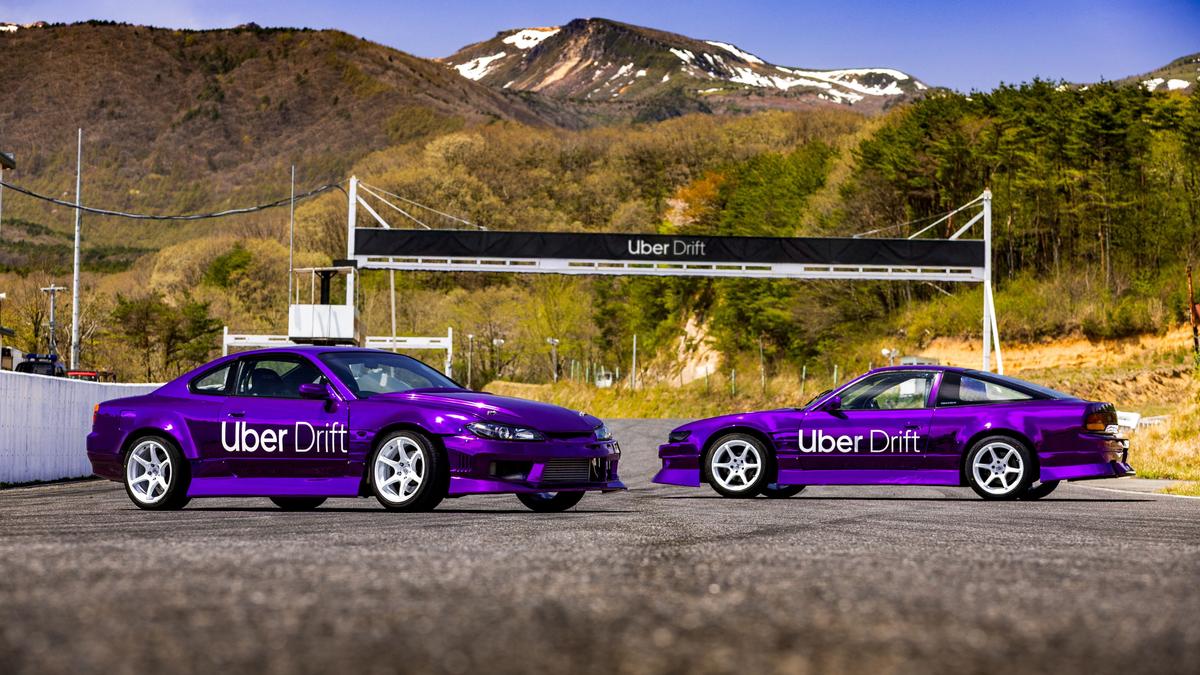
At the heart of this experience are the vehicles themselves: the Nissan Silvia S15 and the Nissan 180SX. These cars are the "holy grails" of the drifting world, prized for their rear-wheel-drive layouts, lightweight chassis, and highly tunable SR20DET engines. In the hands of professionals, these machines are transformed into tools of artistic expression, capable of maintaining extreme angles while generating clouds of tire smoke that can obscure the entire track.
Chronology: From the Touge to the Global Stage
To understand the current state of Japanese drifting, one must trace its lineage back to the winding mountain passes, or touge, of the 1970s and 1980s.
The 1970s: The Birth of an Aesthetic
Drifting did not begin as a sport, but as a survival tactic. On the narrow, steep downhill sections of Japan’s mountain roads, drivers found that by intentionally breaking traction and "rotating" the car, they could navigate hairpins more effectively without losing momentum. Kunimitsu Takahashi, a legendary motorcyclist and racing driver, is often credited with bringing this style to the circuit. His high-speed entries and sideways exits at the All Japan Touring Car Championship fascinated fans and inspired a generation of street racers.
The 1980s: The Rise of the "Drift King"
During the 1980s, the subculture moved from the shadows of the mountains into the mainstream consciousness. This era saw the emergence of Keiichi Tsuchiya, known globally as the "Drift King." Tsuchiya’s charisma and undeniable skill helped legitimize drifting. He starred in the Pluspy video—a legendary underground film showcasing his drifting skills on public roads—which, despite its controversial nature, catalyzed the movement.
The 1990s and 2000s: Professionalization
By the late 1990s, drifting had become too large to remain an underground secret. In 2000, Tsuchiya and Daijiro Inada, the founder of Option magazine, launched the D1 Grand Prix (D1GP). This was the world’s first professional drifting series, establishing a formal judging system based on speed, angle, and "showmanship." This era also saw the global explosion of Japanese car culture through media like the manga and anime series Initial D, which romanticized the life of a mountain drifter.
The 2010s to Present: Global Dominance
Today, drifting is a worldwide industry. The United States has Formula Drift, Europe has the Drift Masters European Championship, and drifting is officially recognized by the FIA (Fédération Internationale de l’Automobile). Despite this globalization, enthusiasts still flock to Japan to experience the "raw" version of the sport found at circuits like Ebisu and Mobara.
Supporting Data: The Physics and Engineering of Controlled Slides
Drifting is an anomaly in motorsport because it prioritizes form over the fastest lap time. However, the data required to achieve this "form" is highly technical.
1. The Mechanics of the Slide:
Most drift cars utilize a front-engine, rear-wheel-drive (FR) layout. To initiate a drift, drivers use several techniques:
- Clutch Kicking: Depressing and abruptly releasing the clutch to spike the RPMs and break rear traction.
- E-Brake Initiation: Locking the rear wheels momentarily to swing the back of the car out.
- Weight Transfer: Using aggressive braking or steering (the "Scandinavian Flick") to upset the car’s balance.
2. Specialized Engineering:
Modern drift cars are highly specialized. A key modification is the "angle kit," which allows the front wheels to turn up to 60 or 70 degrees—nearly double that of a standard road car. This extreme steering angle is what allows a driver to recover from a "spin" and maintain a deep slide. Furthermore, suspension geometry is tuned to maximize the contact patch of the leading front tire, ensuring the driver still has steering control even while the rear of the car is leading the way.
3. Judging Criteria:
In professional competition, telemetry and judges evaluate four main pillars:
- Line: Following a predetermined path marked by "clipping points" (inner corners) and "clipping zones" (outer edges).
- Angle: The degree to which the car is sideways relative to the direction of travel.
- Style/Fluidity: The smoothness of transitions and the aggression of the initiation.
- Proximity (Tandem): In "battle" rounds, the "chase" car is judged on how closely it can mimic the "lead" car’s movements.
Official Responses: Insights from the Professionals
The "Uber Drift" program is not merely a marketing stunt; it is a collaboration with some of the most respected figures in the industry. Professional drivers involved in the program emphasize that the goal is to demystify the sport while preserving its intensity.
"People see the smoke and hear the noise and think we are just being reckless," says one Formula Drift-licensed driver participating in the Mobara events. "But inside the car, it’s all about weight management. You are feeling the car through your seat, sensing exactly when the tires are about to regain grip or lose it entirely. It’s a conversation between the driver and the machine."
Representatives from Uber Japan noted that the "Go Anywhere" series was designed to tap into the "uniquely Japanese" aspects of travel. "Drifting is a cornerstone of Japanese pop culture," an official stated. "By providing safe, professional access to this world, we are allowing visitors to experience the adrenaline and the technical mastery of the sport firsthand, rather than just watching it on a screen."
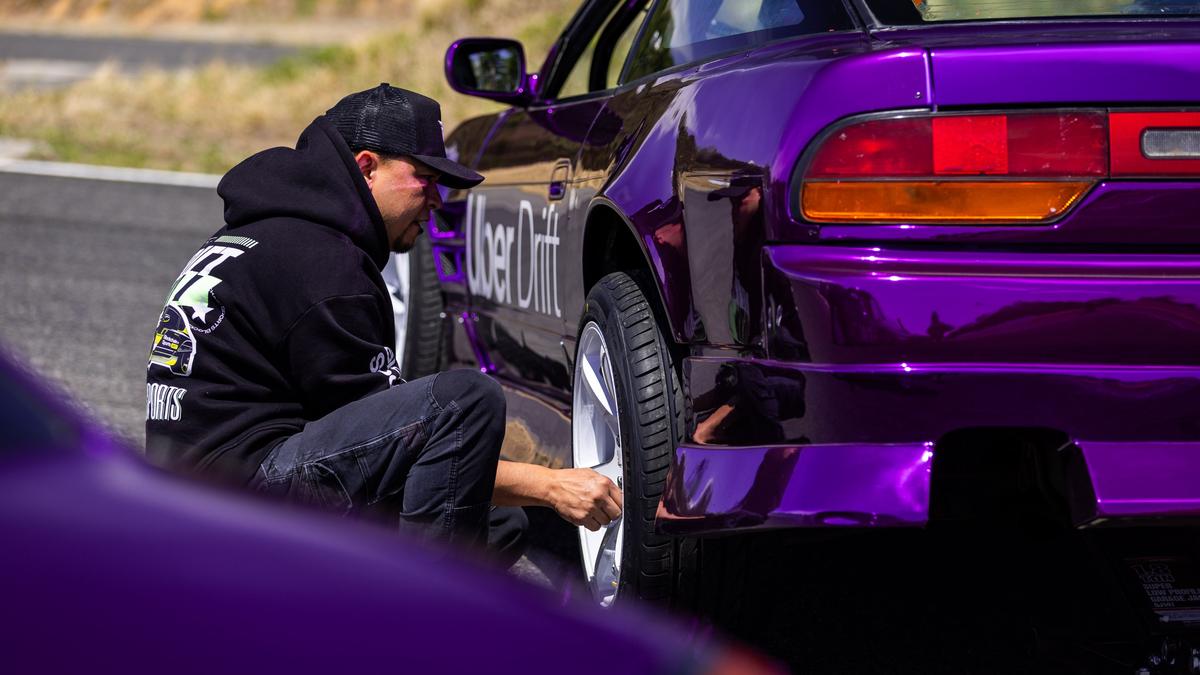
Furthermore, track officials at Mobara Twin Circuit highlighted the importance of these events for the local economy and the survival of grassroots tracks. "Motorsport in Japan is changing. Having international visitors come to see the ‘soul’ of drifting helps keep these historic circuits alive."
Implications: The Future of Drifting and Car Culture
The rise of experiences like "Uber Drift" and the continued popularity of the sport have several long-term implications for the automotive world.
1. The Preservation of Internal Combustion
As the world shifts toward Electric Vehicles (EVs), drifting remains one of the last bastions for the internal combustion engine. The sensory experience—the sound of a turbocharged straight-six or a high-revving four-cylinder—is integral to the sport. While electric drift cars do exist, the "soul" of the Japanese scene is deeply tied to the mechanical symphony of 1990s-era engines.
2. Automotive Tourism
Japan is seeing a massive surge in "automotive tourism." From the Daikoku Parking Area meets to "Drift Taxis" at Ebisu Circuit, car enthusiasts are now traveling to Japan specifically for its car culture, much like others travel for temples or skiing. This provides a significant boost to local regions outside of the major tourist hubs of Tokyo and Kyoto.
3. The "Aesthetic" Economy
The "rough around the edges" aesthetic of drifting—missile cars with zip-tied bumpers and mismatched body panels—has influenced global fashion and street culture. The emphasis on "commitment over perfection" resonates with a younger generation that values authenticity over the polished, corporate nature of Formula 1 or endurance racing.
4. Safety and Regulation
As drifting becomes more mainstream, the pressure to move it off the streets and onto the tracks increases. Programs like the one at Mobara provide a safe outlet for speed, potentially reducing illegal street racing on the touge.
Conclusion: The Poetry of the Slide
Drifting in Japan is more than just a motorsport; it is a manifestation of the Japanese pursuit of "Takumi"—the mastery of a craft. Whether it is the precision of a sushi chef or the millimetric steering corrections of a drift champion, the underlying philosophy is the same: perfection is found in the details.
For those lucky enough to sit in the passenger seat of an S15 at Mobara, the experience is transformative. It is a reminder that even in a world increasingly governed by automation and safety sensors, there is still a place for the raw, visceral connection between man, machine, and the edge of control. Drifting is the art of losing grip without losing your way, and in the smoke-filled corners of Japan, that art is more alive than ever.
