

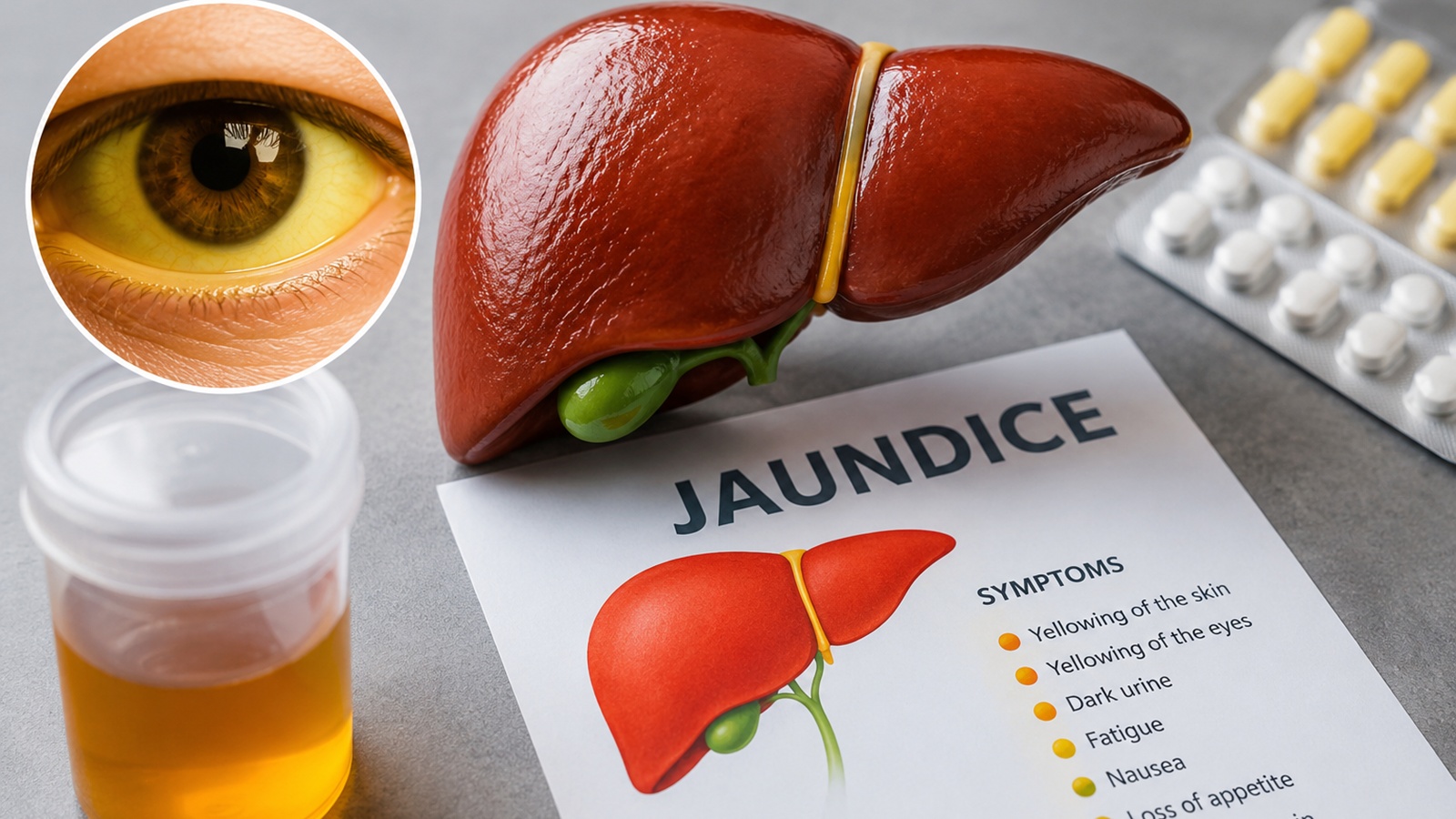
New Delhi – July 29, 2026 – A pervasive myth surrounding jaundice, particularly prevalent in South Asia, is being systematically dismantled by medical professionals. Contrary to popular belief, jaundice is not a disease in itself but rather a tell-tale symptom indicating an underlying health issue. Hepatologist Cyriac Abby Philips, widely known as LiverDoc, has taken to social media platform X (formerly Twitter) to emphatically debunk the long-standing misconception that jaundice necessitates a severely restricted diet. He asserts that proper nutrition, far from being detrimental, is crucial for a patient’s rapid and effective recovery.
The prevailing notion that a bland, low-fat, and low-protein diet is the key to overcoming jaundice is not only inaccurate but potentially counterproductive, according to medical experts. Dr. Philips’ recent pronouncements aim to alleviate food anxiety and encourage patients to embrace a more holistic approach to healing.
The Nature of Jaundice: A Symptom, Not a Disease
"Jaundice is not a disease; it’s the symptom of a disease," Dr. Philips stated unequivocally in a post that has since garnered significant attention. He further elaborated that jaundice can stem from conditions directly affecting the liver or from non-liver-related causes. In India, acute hepatitis is identified as the most common culprit behind jaundice. This form of hepatitis is frequently triggered by viruses transmitted through contaminated food and water.
Crucially, Dr. Philips highlighted that these viral infections causing acute hepatitis are often self-limiting, meaning they tend to resolve on their own within a few days to weeks without the need for specific medical treatment. However, this does not imply a passive approach to recovery. "It does require nutrition," he emphasized.
Challenging Traditional Dietary Restrictions
The established practice of recommending a bland diet, boiled foods, and the avoidance of oil for jaundice patients is what Dr. Philips directly challenges. He argues that this approach is fundamentally flawed. "Going on a bland diet, eating boiled food, sustaining on vegetables and avoiding oil is not how we treat jaundice or hepatitis," he stressed.
Instead, Dr. Philips advocates for a robust and nutrient-rich diet. "One should eat well, eat more… eat carbs, proteins, and fats. Recovery will be quicker with good nutrition," he advised. This perspective is echoed by other medical professionals who are increasingly emphasizing the vital role of nutrition in the healing process.
Expert Endorsement for a Balanced Approach
Dr. Swapnil Sharma, a distinguished consultant and chief surgeon specializing in liver transplant, hepatobiliary, pancreas, and GI onco surgery at Wockhardt Hospitals in Mumbai Central, lends strong support to Dr. Philips’ assertions. Dr. Sharma confirms that in the vast majority of cases, there is no medical imperative for individuals experiencing jaundice to eliminate protein from their diet or subsist solely on plain foods.
"In fact, the liver requires sufficient nutrition in order to repair itself and to aid in recovery," Dr. Sharma explained. He further elaborated that as long as a specific liver condition does not warrant otherwise from a medical practitioner, a balanced diet is recommended. This balanced approach should encompass adequate protein, complex carbohydrates, healthy fats, and a generous intake of fruits and vegetables.
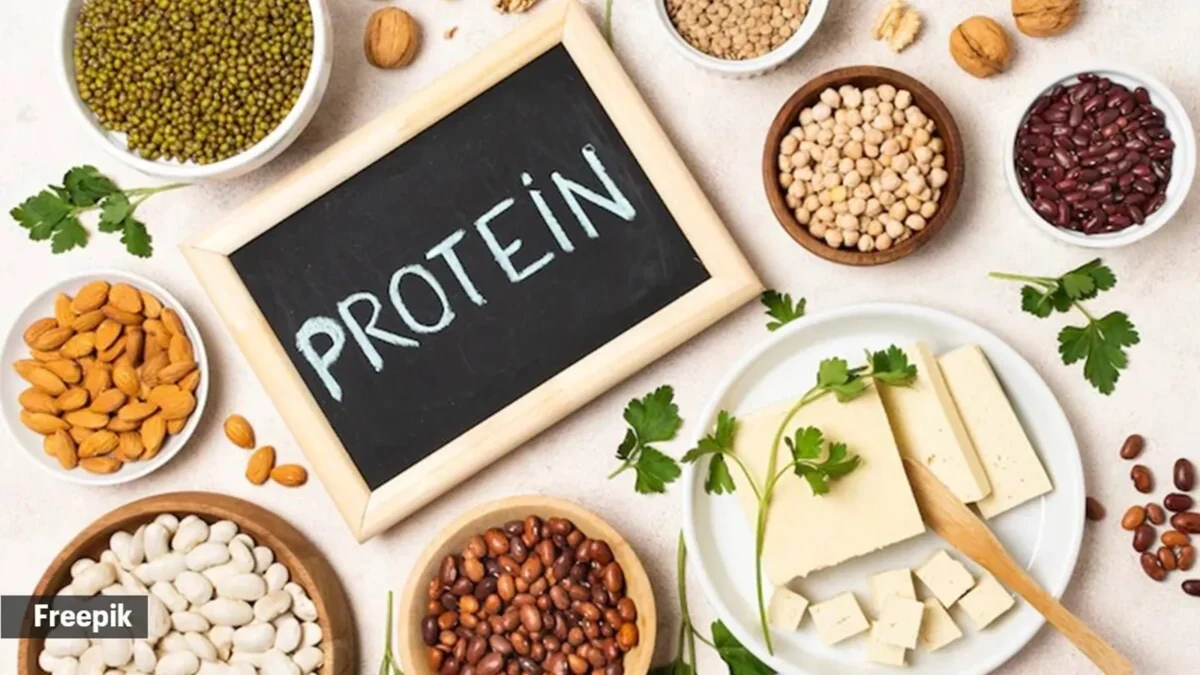
Dr. Sharma elaborated on the sources of protein, stating, "Protein can be obtained from foods such as dal, pulses, milk, curd, paneer, eggs, fish or lean meat, all of which help to preserve muscle mass and promote healing." This highlights that a wide array of palatable and nutritious food options are available to patients.
The Liver’s Nutritional Needs for Regeneration
The liver, despite being the organ primarily associated with jaundice, is a remarkably resilient organ that possesses a significant capacity for regeneration. However, this regenerative process is heavily reliant on the availability of essential nutrients. Dr. Sharma pointed out that while the liver is recovering, it continues to perform its vital functions, including metabolism and detoxification.
"Poor nutrition may slow down the recovery process, cause a loss of muscle and weaken the immune system, thus making it more difficult for the body to recover," Dr. Sharma warned. This underscores the direct correlation between nutritional status and the efficiency of the healing process. He offers practical advice for patients, suggesting that they can facilitate a more comfortable recovery by consuming sufficient calories and protein, maintaining adequate hydration, and opting for small, frequent meals if their appetite is diminished.
Dispelling the Myth of Liver "Rest"
A common misconception that fuels the restrictive dietary approach is the belief that limiting food intake allows the liver to "rest." However, medical consensus suggests that this is largely a fallacy. In most scenarios, the opposite is true: the liver requires fuel and building blocks to undertake the complex task of repair and regeneration.
"Limiting food without first seeking medical advice may cause the body to lack the nutrients it needs in order to heal," Dr. Sharma stated. He reiterated that recovery from jaundice is not contingent upon adhering to a tasteless or overly restrictive diet. Instead, it hinges on a balanced and nutritious dietary regimen that adequately meets the body’s energy and protein requirements.
Foods to Truly Avoid: A Focused Approach
While the emphasis is on embracing nutrition, there are specific dietary components that warrant genuine caution during a period of illness. Dr. Sharma clearly outlines these:
- Alcohol: This is a non-negotiable exclusion. "Alcohol must be totally avoided until the liver has recovered," he emphasized. Alcohol is directly toxic to the liver and will impede any healing process.
- Oily, Deep-Fried, and Highly Processed Foods: These foods should be consumed in moderation, not because they directly worsen jaundice, but due to their digestive burden. "They are difficult to digest and have little nutritional value," Dr. Sharma explained. Their consumption can divert the body’s resources towards digestion rather than repair.
- Unhygienic Food and Contaminated Water: Particularly in cases of viral hepatitis, preventing further infections is paramount. "It is likewise advisable to avoid food that is unhygienic or water that is contaminated," Dr. Sharma advised, stressing the importance of maintaining food safety to avoid complications.
The Power of a Personalized Dietary Plan
The experts universally agree that dietary recommendations should be individualized. Relying on outdated myths or generalized home remedies can be detrimental. "Since each patient is different, dietary recommendations should always be adapted to the specific cause of the jaundice rather than relying on old myths or home remedies," Dr. Sharma concluded. This underscores the necessity of consulting with healthcare professionals for tailored advice.
Implications for Public Health and Patient Care
The persistent adherence to outdated dietary practices concerning jaundice has significant implications for public health. It can lead to unnecessary suffering, prolonged recovery periods, and potentially exacerbate existing nutritional deficiencies. By actively debunking these myths and promoting evidence-based nutritional guidance, medical professionals are empowering patients to take a more active and effective role in their own recovery.
The shift towards encouraging a balanced and nutrient-rich diet, including proteins, carbohydrates, and healthy fats, represents a significant advancement in patient care. This approach not only aids in the physical healing of the liver but also contributes to the overall well-being and morale of the patient. The message is clear: when facing jaundice, embrace nourishment, not deprivation, under the guidance of qualified medical professionals.
Disclaimer: This article is based on information from the public domain and expert opinions. It is crucial to consult with a qualified healthcare practitioner for any health concerns or before making any decisions related to your health or treatment.
