

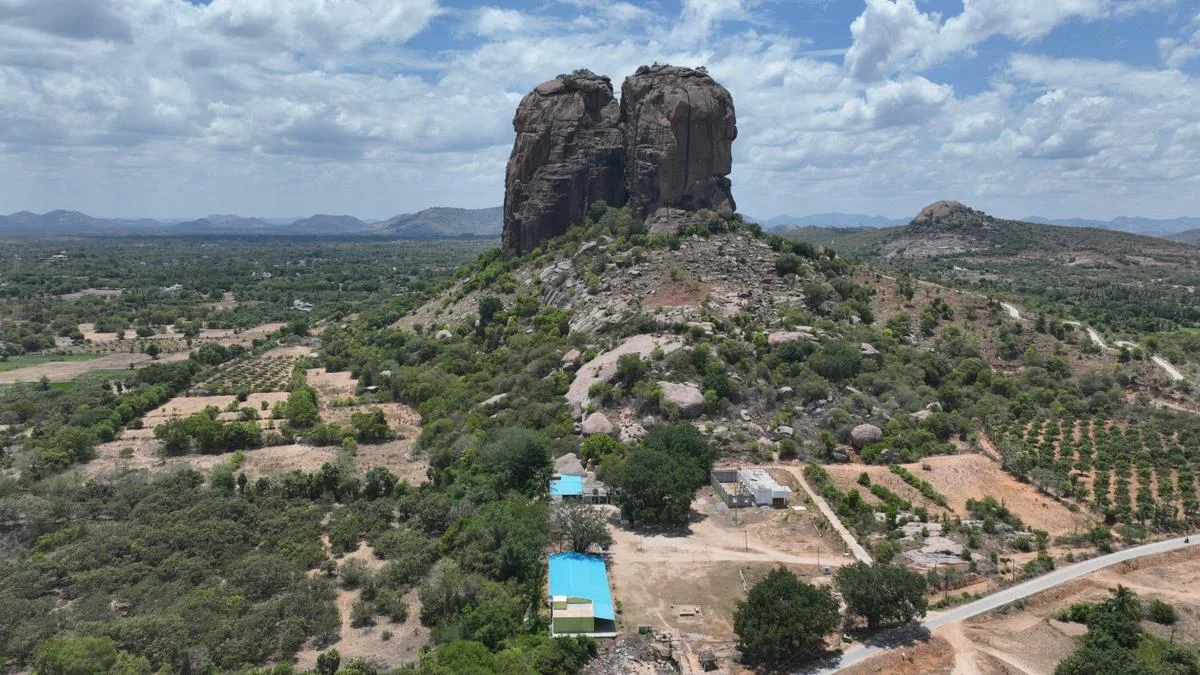
CHITTOOR — In a move set to redefine the tourism landscape of the Rayalaseema region, the Chittoor district administration has unveiled a comprehensive, three-phase action plan to transform the village of Puligundu into a premier multi-dimensional tourist destination. Located in the Penumur mandal, Puligundu is home to a striking geological marvel: two massive twin rock peaks that soar 1,000 feet into the sky. By blending the site’s natural grandeur with its deep-rooted spiritual heritage, officials aim to create a world-class hub for adventure seekers, nature enthusiasts, and pilgrims alike.
The Core Vision: A Triple-Threat Tourism Destination
The development strategy for Puligundu is predicated on its unique "triple-threat" potential. Unlike many tourist spots that cater to a single demographic, Puligundu offers a rare convergence of three distinct sectors: adventure tourism, eco-tourism, and spiritual tourism.
At the heart of this initiative is the 300-year-old Sri Puligundeshwara Swamy temple, perched atop the rugged terrain. For centuries, this site has been a local center of devotion. However, the surrounding landscape—characterized by dense green cover, natural rock formations, and challenging trekking routes—has remained largely untapped by the formal tourism sector. The new action plan seeks to bridge this gap, utilizing 79 acres of government-earmarked land to build a sustainable and lucrative tourism ecosystem.
Chronology of Development: From Local Landmark to National Prospect
The journey toward Puligundu’s revitalization has gained significant momentum over the last few years, culminating in the current three-phase blueprint.
Historical Context and Initial Recognition
For generations, Puligundu served primarily as a religious site for the residents of Penumur mandal. The twin peaks, visible from miles away, were regarded as a local landmark but lacked the infrastructure to support large-scale visitation. It wasn’t until the early 2020s that the Andhra Pradesh Tourism Department began identifying "hidden gems" within the Chittoor district to alleviate the tourist pressure on Tirupati and diversify the region’s economic base.
The Inspection Phase
The current action plan is the result of a series of high-level inspections led by District Collector Sumit Kumar. Over several months, teams of geologists, tourism experts, and safety engineers surveyed the 79-acre tract. These inspections identified the specific zones suitable for rock climbing, the viability of a zip-line between the peaks, and the areas where the ecological footprint must be kept to a minimum.
The Phased Rollout
The project is structured into three distinct phases to ensure financial viability and ecological safety:
- Phase I (Immediate Infrastructure & Safety): Focuses on basic amenities, safety railings, lighting, and the repair of the ancient steps leading to the temple.
- Phase II (Adventure & Eco-Facilities): Introduction of trekking trails, rock climbing zones, and the establishment of the nature park and eco-huts.
- Phase III (Connectivity & Marketing): Implementation of high-end features like the zip-line, digital information centers, and a national-level marketing campaign to bring Puligundu into the spotlight.
Supporting Data: Infrastructure and Resource Allocation
The scale of the Puligundu project is reflected in the meticulous allocation of land and capital. The government has officially set aside 79 acres for the project, providing ample space for both development and conservation.
Adventure and Eco-Tourism Logistics
The adventure component will utilize the natural 1,000-foot verticality of the rocks. Plans include:
- Graded Trekking Trails: Categorized by difficulty levels (Easy, Moderate, Pro) to cater to families and professional trekkers.
- Safety Infrastructure: An initial investment in high-grade safety ropes, harnesses, and a dedicated rescue team.
- Eco-Huts: A planned cluster of wooden cottages designed to blend into the forest canopy, minimizing the use of concrete.
Financial and Technical Specifics
The administration has already earmarked ₹10 lakh specifically for specialized lighting around the rock formations and the temple. This lighting is not merely for aesthetics; it is a functional requirement to enable "pre-dawn and evening darshan," allowing pilgrims to climb the peaks during the cooler hours of the day. Furthermore, the plan includes rainwater harvesting systems and recharge pits to ensure the site remains self-sufficient in its water needs, particularly during the dry summer months characteristic of the Chittoor district.
Official Responses: A Vision for Growth
District Collector Sumit Kumar has been the primary architect of this vision, emphasizing that the project is as much about community empowerment as it is about tourism.

"Our goal is to utilize the natural geological formations of Puligundu to create a sustainable model for adventure tourism," Collector Kumar stated during a recent press briefing. "We are not just building structures; we are creating an experience. By developing graded trekking trails and exploring a zip-line between the two peaks, we are positioning Puligundu as a destination that can compete on a national stage."
The Collector also highlighted the role of the local community. "Safety is our top priority. We will be training local youth to serve as certified guides and rescue personnel. This ensures that the economic benefits of tourism stay within Penumur mandal."
Tourism officials added that the spiritual aspect of the project would be handled with "utmost sensitivity." The beautification of the Sri Puligundeshwara Swamy temple will focus on preserving its 300-year-old heritage while providing modern comforts such as meditation spaces, resting facilities, and improved signage for the thousands of devotees expected to visit annually.
Implications: Economic, Social, and Environmental
The transformation of Puligundu carries profound implications for the region, ranging from economic revitalization to environmental conservation.
Economic Empowerment and Job Creation
The most immediate impact will be the generation of local employment. The construction phase will require local labor, but the long-term "hospitality economy" is where the real potential lies.
- Handicrafts and Cuisine: Food courts are being planned specifically to promote local Rayalaseema cuisine. Spaces will also be provided for local artisans to sell traditional handicrafts, providing a direct market for village industries.
- Service Sector: From eco-hut management to adventure guiding, the project will create a diverse range of jobs for the youth, potentially reversing the trend of rural-to-urban migration in the district.
Environmental Stewardship
In an era of "over-tourism," the Puligundu plan stands out for its commitment to a "plastic-free environment." The inclusion of a butterfly garden and bird-watching zones suggests a shift toward "low-impact" tourism. By focusing on native species in the nature park, the project will help preserve the local biodiversity of the Eastern Ghats’ foothills. The use of solar lighting and waste management systems further reinforces the project’s green credentials.
Enhancing the Spiritual Circuit
For the state of Andhra Pradesh, Puligundu represents a vital addition to the spiritual tourism circuit. By offering a high-quality alternative to the crowded temple towns, the government can distribute tourist traffic more evenly across the district. The meditation spaces and "peace zones" planned around the hilltop temple cater to a growing global trend of "wellness tourism," where visitors seek spiritual solace combined with physical activity.
Safety and Security as a Standard
The inclusion of a police control room and CCTV surveillance at a village-level tourist spot is a forward-thinking move. By prioritizing safety through strengthened railings, warning boards, and professional rescue teams, the administration is aiming to build a reputation for reliability. This is crucial for attracting international tourists and school groups, who prioritize safety above all else.
Conclusion: A New Chapter for Chittoor
The three-phase action plan for Puligundu is more than just a construction project; it is a strategic repositioning of Chittoor’s natural and cultural assets. By the time the final phase is implemented, the quiet village of Puligundu will have evolved into a sophisticated destination where the thrill of a 1,000-foot climb meets the serenity of a 300-year-old prayer.
As the sun sets over the twin peaks, the planned solar lights will soon begin to twinkle, signaling not just the end of a day, but the dawn of a new era for tourism in Andhra Pradesh. With the backing of the district administration and the participation of the local community, Puligundu is poised to become a beacon of sustainable, adventurous, and spiritual excellence.
