

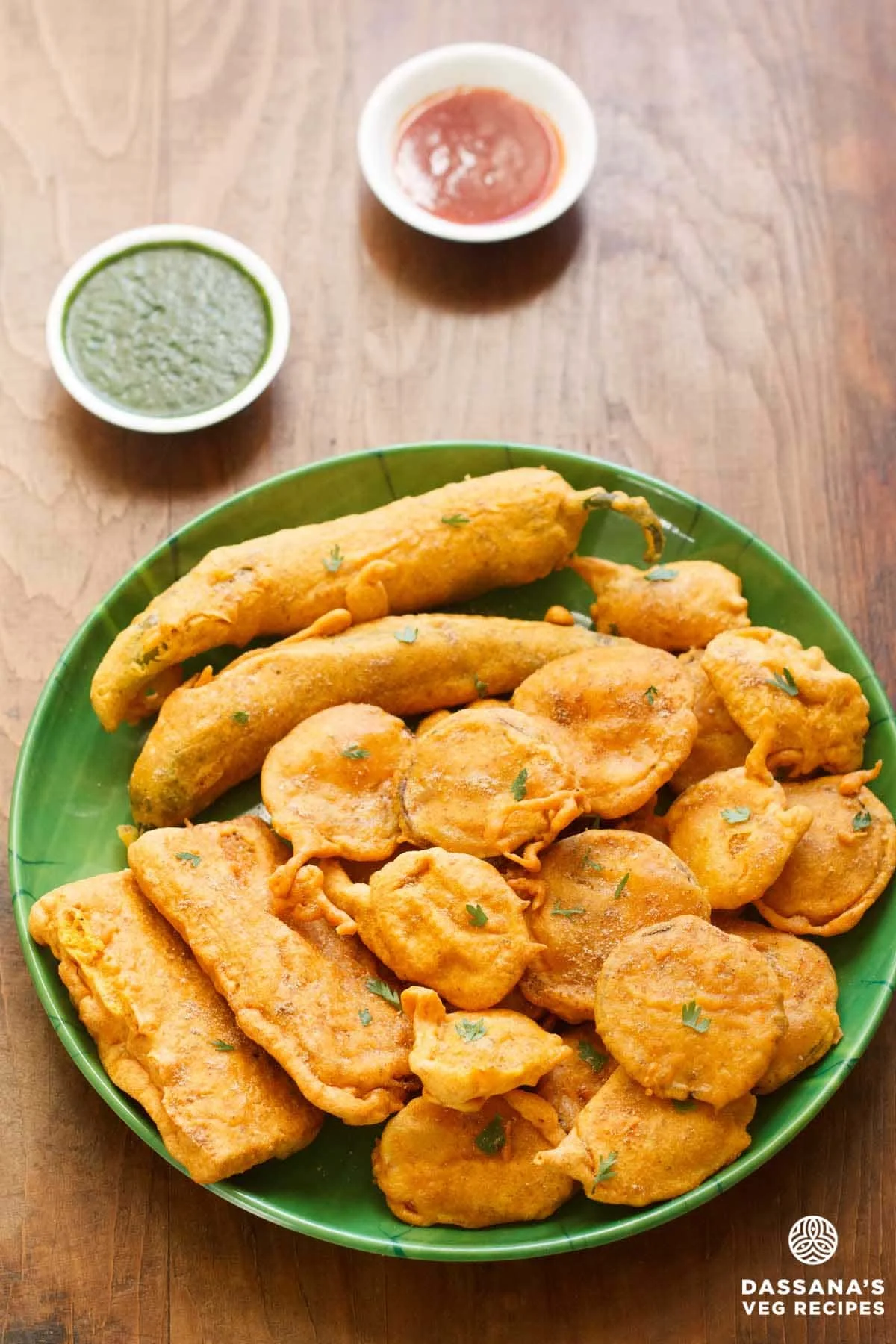
The aromatic sizzle of seasoned batter hitting hot oil is a sound synonymous with the bustling street corners of Gujarat and the rain-drenched balconies of Maharashtra. The bhajiya—a crisp, golden-brown Indian fritter—represents more than just a snack; it is a cultural institution. From the humble potato slice to the bold, spice-filled green chili, the bhajiya serves as a versatile canvas for India’s rich botanical and culinary diversity.
As culinary trends shift toward artisanal and heritage foods, the traditional bhajiya is experiencing a resurgence in both domestic kitchens and high-end gastronomic circles. This report examines the technical precision, regional variations, and cultural implications of this quintessential Indian delicacy.

Main Facts: Defining the Bhajiya and Its Regional Identity
At its most fundamental level, bhajiya refers to vegetables or other ingredients coated in a seasoned gram flour (besan) batter and deep-fried until crisp. While the term is most commonly utilized in the Gujarati language, the dish belongs to a broader family of Indian fritters known variously as pakora, bhaji, or bajji, depending on the linguistic and geographical context.
The Typology of Fritters
In the Indian culinary lexicon, there are two primary methods of constructing these vegetable fritters:

- The Integrated Method: Often referred to as "Vegetable Pakora," this involves finely chopping or grating an assortment of vegetables—such as onions, spinach, and cabbage—and binding them together within a thick batter before frying.
- The Individual Coating Method: This approach, highlighted in the contemporary "Mix Bhajiya" platter, involves dipping individual, thin slices of vegetables into a medium-thick batter. This method preserves the distinct texture and flavor of the base ingredient, whether it be the starchy potato, the spongy brinjal (eggplant), or the fibrous green chili.
A Staple of the Farsan Tradition
In the states of Gujarat and Maharashtra, bhajiya is a cornerstone of the farsan (savory snacks) industry. It is ubiquitous in mithai (sweet) shops and dedicated street stalls, where vendors possess the specialized skill of maintaining oil temperature while processing large volumes of orders. At the domestic level, however, the "Assorted Bhajiya Platter" is typically reserved for special occasions, festive gatherings, or the arrival of the monsoon season, where the warmth of the fried snack provides a sensory contrast to the cooling rains.
Chronology: The Systematic Process of Bhajiya Preparation
The creation of a high-quality bhajiya is a chronological discipline that requires attention to the chemical properties of the batter and the thermal dynamics of frying.

Phase I: Engineering the Batter
The foundation of the bhajiya is the batter, which must achieve a specific viscosity to ensure a uniform coating.
- The Base: Gram flour (besan) is the primary structural component. For a superior result, the flour must be fresh to avoid the bitter, rancid notes often found in older stocks.
- The Texture Agent: A critical addition is rice flour, which introduces a "crunch" factor that gram flour alone cannot achieve.
- Aromatics and Digestion: Ingredients like ajwain (carom seeds) and hing (asafoetida) serve a dual purpose: they provide an earthy, pungent flavor profile and assist in the digestion of the dense gram flour and deep-fried fats.
- Aeration: While some cooks utilize baking soda for leavening, traditional techniques favor vigorous whisking. This mechanical aeration incorporates air bubbles into the batter, resulting in a light, puffy coating without the need for chemical additives.
Phase II: Botanical Preparation
The preparation of the vegetables—potatoes, brinjals, and chilies—is a matter of precision.

- Slicing: Vegetables must be sliced thinly and evenly. If the slices are too thick, the batter will burn before the vegetable core is cooked; if too thin, the vegetable loses its identity within the crunch of the batter.
- The Brinjal Treatment: Brinjals are soaked in salted water to prevent oxidation (discoloration) and to leach out any latent bitterness.
- The Chili Prep: Large, mild green chilies are slit lengthwise and deseeded, allowing the batter to permeate the interior and tempering the heat of the fruit.
- The Bread Component: Bread slices, often cut into triangles, are a popular addition, acting as a porous medium that provides a soft, cake-like interior contrasted by the crisp batter exterior.
Phase III: The Frying Sequence
The final stage is the application of heat. The oil must be "moderately hot"—roughly 180°C (356°F).
- Testing: A drop of batter should rise to the surface gradually. Immediate browning indicates excessive heat, while sinking suggests the oil is too cool, which leads to grease-soaked, heavy fritters.
- Dipping and Sliding: Each slice is dipped, excess batter is allowed to drain, and the piece is slid gently into the oil.
- Batch Management: Overcrowding the pan is a common error that drops the oil temperature, leading to a loss of crispness.
- Final Finish: Once golden-brown, the bhajiya are drained on kitchen paper or wire racks to ensure the exterior remains taut and dry.
Supporting Data: Nutritional and Technical Specifications
From a nutritional standpoint, bhajiya is a calorie-dense food. According to standardized culinary data for a four-serving batch of mixed bhajiya, the nutritional profile is as follows:

- Total Calories: 554 kcal per serving.
- Macronutrients: 76g of carbohydrates, 19g of protein, and 20g of total fat.
- Fiber Content: A notable 17g, primarily derived from the gram flour and vegetable skins.
- Micronutrients: The dish is surprisingly rich in minerals and vitamins, including 1452mg of Potassium, 5mg of Iron, and 329µg of Folate (Vitamin B9).
The high potassium and iron content are largely attributed to the potato and brinjal components, while the gram flour provides a significant protein boost compared to wheat-based snacks. However, the 10g of saturated fat per serving highlights the necessity of moderation in consumption.
Official Responses: Culinary Perspectives on the Perfect Crunch
Culinary experts and traditional chefs emphasize that the "perfect" bhajiya is a balance of moisture and heat.

Dassana, a renowned authority on Indian vegetarian cuisine, notes that the success of the dish relies heavily on the "flow" of the batter. "The batter should flow from the spoon but must be thick enough to coat the vegetable slices evenly," she explains. This delicate balance is what prevents the batter from sliding off the vegetable (if too thin) or becoming a bready, unappealing lump (if too thick).
Furthermore, street food vendors in Ahmedabad and Mumbai—the unofficial capitals of bhajiya—maintain that the oil temperature must be "adjusted" throughout the day. "You cannot leave the flame at one setting," says one veteran vendor. "As you add cold vegetables, the oil loses its energy. You must anticipate this to keep the crunch consistent."

Implications: The Social and Modern Context of the Bhajiya
The bhajiya occupies a unique space in the evolution of Indian food. While it remains a beloved street food, its implications reach into the realms of social ritual and modern food preservation.
The Ritual of the Platter
The "Mixed Bhajiya Platter" serves as a social equalizer. By offering a variety of textures—the soft brinjal, the firm potato, and the spicy chili—it caters to a wide range of palates at a single table. It is traditionally paired with Masala Chai or Adrak (ginger) tea, a combination that has become a standardized "comfort meal" across the Indian subcontinent.

Challenges of Modern Consumption
As health consciousness rises, the deep-fried nature of bhajiya presents a challenge. However, the culinary community has responded with modern adaptations. The use of air fryers and ovens to reheat leftovers (avoiding the "chewy" texture caused by microwaves) allows for a reduction in secondary oil consumption. Furthermore, the inherent gluten-free nature of gram flour (besan) makes bhajiya an accidental favorite in the global gluten-free movement, provided the batter is not cross-contaminated with wheat.
Storage and Sustainability
Unlike dry snacks, bhajiya has a short shelf life. It is designed for immediate consumption. The "softening" of the coating upon cooling is a natural process of moisture migration from the vegetable to the crust. This encourages a "zero-waste" domestic approach where only what is needed is fried, ensuring that the sensory experience remains at its peak.

Conclusion
The bhajiya is a masterclass in simple ingredients transformed by precise technique. From the careful selection of fresh gram flour to the rhythmic slicing of seasonal vegetables, it represents a lineage of Indian cooking that prioritizes texture, spice, and communal enjoyment. Whether served in a paper cone on a street corner or on a ceramic platter in a modern home, the bhajiya remains an enduring symbol of India’s culinary ingenuity—a golden, crispy testament to the power of the humble fritter.
