

The Eastern Ghats, a discontinuous range of mountains stretching along India’s eastern coast, have long played second fiddle to the more celebrated Western Ghats and the towering Himalayas. However, as the first monsoon clouds gather over the ridgelines of North Andhra Pradesh, a dramatic transformation occurs, turning these ancient hills into a premier destination for trekking enthusiasts. The arrival of the rains does not merely dampen the earth; it redefines the landscape, shedding the parched, dusty character of the summer months to reveal a world that is cooler, quieter, and vibrantly alive.
In recent years, a burgeoning interest in "monsoon trekking" has swept through the region, driven by professional trekking outfits and a growing community of nature lovers. From the mist-shrouded summit of Arma Konda to the hidden cascades of Madugula, the Eastern Ghats are emerging as a critical frontier for experiential tourism and ecological discovery.
Main Facts: The New Frontier of Monsoon Tourism
The monsoon season in the Eastern Ghats, typically spanning from June to September, has become a peak period for guided expeditions. Organizations such as Eco Hikes and Hikoi Adventures have spearheaded this movement, offering structured itineraries that cater to a wide demographic—from seasoned summit seekers to families looking for a weekend escape.
The core appeal lies in the topographical diversity of the region. The Eastern Ghats in North Andhra Pradesh boast several peaks exceeding 1,000 meters, with Arma Konda (also known as Jindhagada Peak) standing as the highest point in the entire range at 1,690 meters. These high-altitude regions offer a unique microclimate. While the plains and lower foothills may experience torrential downpours, the higher ridges are often characterized by a "mist-and-drizzle" environment, making them ideal for physical activity.
Furthermore, the trekking culture here is evolving beyond simple recreation. It now encompasses geological exploration, such as the Gosthani caving trails, and cultural immersion, providing trekkers with a rare window into the lives of indigenous tribes. This shift reflects a broader global trend toward sustainable and "slow" travel, where the journey and the environment are as important as the destination.

Chronology: The Seasonal Metamorphosis
The transition of the Eastern Ghats from the "dry season" to the "monsoon glory" follows a predictable yet breathtaking timeline:
- The Pre-Monsoon Prelude (Late May – Early June): As temperatures peak, the mountains appear dormant. Seasonal streams are dry beds of stone, and the vegetation is a uniform shade of scorched brown. This is the period of preparation for trekking groups, who scout routes and coordinate with local tribal guides.
- The Arrival of the First Showers (Mid-June): The first rains arrive not with a bang, but with a creeping mist that settles over the high ridges. This moisture triggers an immediate biological response; the "awakening" of the mountains begins as dormant seeds sprout and the dust is washed from the ancient rock faces.
- The Verdant Peak (July – August): This is the height of the trekking season. The landscape is painted in "countless shades of green." Grasslands atop the peaks become lush, and fishtail palms stand out against the horizon. Seasonal waterfalls, such as Jalada and Tarabu, reach their full strength.
- The Harvest Transition (September): As the rains begin to stabilize, the focus shifts to the valleys where indigenous communities begin their farming cycles. The trekking trails remain vibrant, but the air begins to crisp, signaling the approach of the winter trekking window.
Supporting Data: A Topographical Breakdown of Key Trails
The Eastern Ghats offer a tiered trekking experience, categorized by difficulty, elevation, and duration.
The Summit Expeditions (Moderate to Challenging)
- Arma Konda (Jindhagada Peak): Standing at 1,690 meters, this is the "Everest of the Eastern Ghats." The trek is a demanding ascent that rewards hikers with panoramic views and dramatic cloud movements.
- Galikonda: Famous for offering one of the longest routes in the region, Galikonda’s trails range from 28 to 35 kilometers. During the monsoon, this trail is preferred because the natural springs become active, solving the hydration challenges that plague the route in winter.
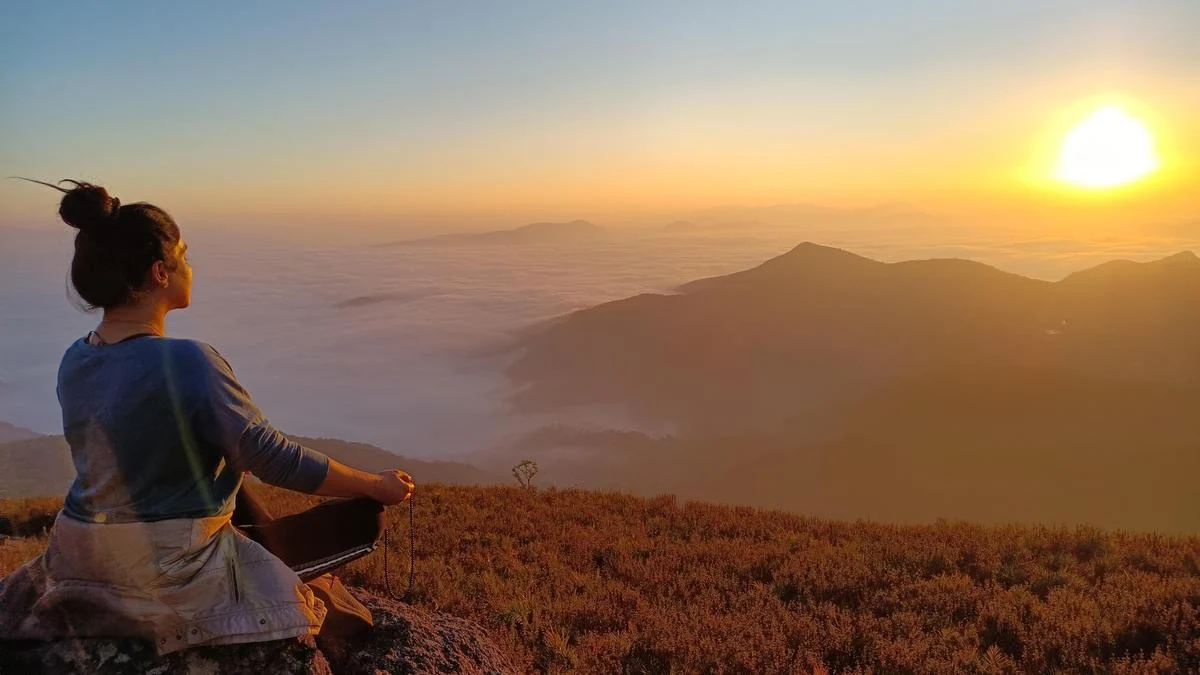
- Endric Peak: Sitting above 4,500 feet, Endric is prized for its "rolling grasslands" and dense forest patches. It is often recommended for overnight stays due to its spectacular sunrise views over cloud-filled valleys.
The Waterfall and Family Trails (Easy)
- Jalada and Tamkota Waterfalls: These routes, covering two to five kilometers, are located around the Tankota village area. They have become staples for "one-day" outings, particularly for families with children.
- Madugula Cascades: Including the Kandulapalem falls, these trails are shorter but offer dense canopy cover and refreshing natural pools.
Geological and Unique Trails
- Gosthani Cave Trail: Located in the Ananthagiri Hills of the Araku Valley, this trail involves exploring massive natural limestone formations. It combines trekking with basic spelunking, offering a look at the region’s subterranean beauty.
Official Responses: Insights from the Field
The growth of this sector is meticulously managed by local experts who emphasize the intersection of adventure and safety.

Naveen Rongali, Founder of Eco Hikes, highlights the meteorological advantages of high-altitude trekking. "One of the reasons we focus on peaks above 1,000 to 1,200 meters during the monsoon is the weather stability," Rongali explains. "While the lower Eastern Ghats often receive heavy, disruptive rainfall, the higher ridges typically experience cool drizzle and passing clouds. The landscape opens into beautiful grasslands, offering a completely different experience when compared to the dense, often humid forests of the Western Ghats."
Vamsi Thenakani of Hikoi Adventures emphasizes the "Heaven Valley" at Sinkaram Gutta as a seasonal highlight. "Heaven Valley is at its absolute best during the rains," he says. "We see mist-covered cliffs and flowing streams that simply don’t exist in the summer." However, Thenakani is quick to point out that the beauty of the mountains is coupled with a responsibility toward the environment. "We actively promote ‘Leave No Trace’ principles. Reaching the summit is never more important than the safety of the trekker and the preservation of the trail."
Both organizers agree that the lack of an officially marked trail network remains a challenge. They advocate for guided treks to prevent navigation errors and to ensure that hikers do not inadvertently damage sensitive ecological zones.
Implications: Ecology, Culture, and Responsibility
The rise of monsoon trekking in the Eastern Ghats carries significant implications for the region’s ecological health and its socio-economic fabric.
Ecological Warning Signs
While the monsoon brings life, regular visitors are noticing the fingerprints of climate change. Vamsi Thenakani notes a decline in wild date plants, which were once abundant at 4,000 feet. "Rainfall has become less predictable, and the flowering cycles of several plants appear to have shifted," he observes. These changes suggest that the Eastern Ghats are in a state of flux, necessitating more rigorous environmental protections and "responsible trekking" protocols to ensure that increased foot traffic does not accelerate habitat loss.
Socio-Cultural Integration
Trekking in this region is inextricably linked to the indigenous tribes, including the Bhagata, Valmiki, and Konda Dhora. The monsoon trekking season coincides with the start of their agricultural year. This provides a unique opportunity for "cultural tourism," where trekkers witness traditional farming practices and interact with communities that have lived in harmony with the mountains for generations. The trekking groups often hire local tribespeople as guides, providing an essential source of income and ensuring that local ecological knowledge is passed on to visitors.

The Safety Imperative
The "monsoon" element introduces specific risks that require professional oversight. Flash floods are a primary concern; water levels in mountain streams can rise within minutes due to rainfall occurring miles upstream. Organizers stress the importance of:
- Specialized Gear: Reliable footwear with high-traction soles is non-negotiable on slippery terrain.
- Smart Camping: Avoiding exposed hilltops where lightning and high winds are risks, and instead opting for sites near villages.
- Emergency Protocols: Hikoi Adventures, for instance, backs every trek with an evacuation strategy and emergency communication tools, a necessity in areas where mobile signals are non-existent.
Conclusion: A Sustainable Path Forward
The Eastern Ghats during the monsoon offer a sensory experience unlike any other in India. The combination of ancient geology, tribal heritage, and the raw power of the rains creates a compelling narrative for the modern adventurer. However, as North Andhra Pradesh becomes a "trekking hub," the balance between exploration and preservation becomes more delicate.
The success of monsoon trekking in the Eastern Ghats will ultimately depend on the continued collaboration between professional trekking groups, the indigenous communities, and the government. By prioritizing safety and ecological integrity over mere "summit bagging," the region can establish itself as a model for sustainable mountain tourism in India. For those willing to brave the mist and the mud, the rewards are clear: a chance to see a landscape not just in its beauty, but in its most vital, living state.
