

Introduction: Main Facts

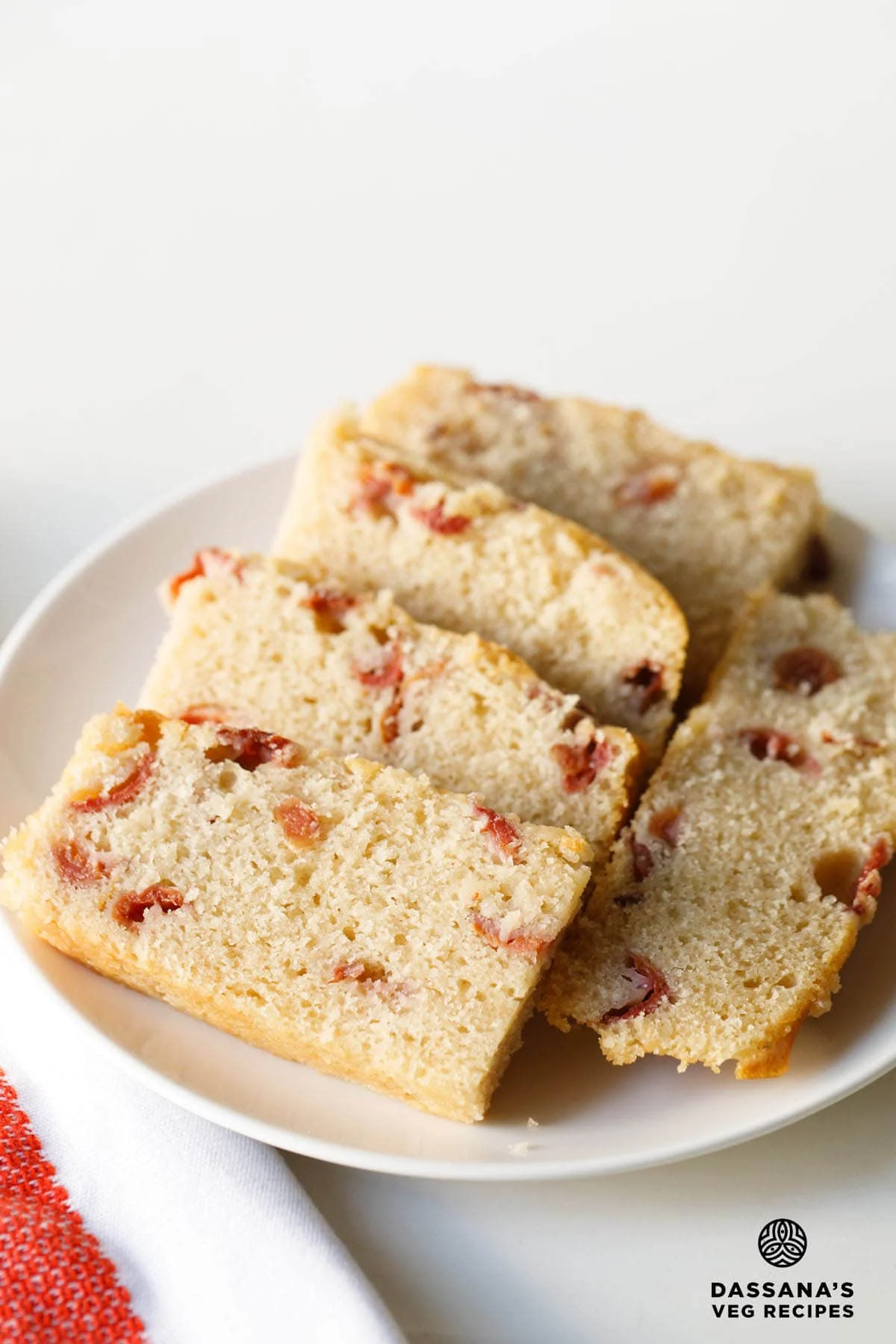
As the global culinary landscape shifts toward seasonal ingredients and dietary inclusivity, the humble tea cake is undergoing a sophisticated transformation. At the forefront of this movement is a specialized approach to stone-fruit confectionery: the Fresh Cherry Cake. This particular iteration—characterized by its soft, moist texture and entirely egg-free composition—represents a significant intersection of traditional baking values and modern dietary requirements.

The cake, which utilizes fresh cherries, flour, sugar, oil, and a unique acid-based leavening system, has emerged as a quintessential seasonal bake. Unlike traditional sponges that rely on eggs for structure and lift, this recipe leverages the chemical reaction between milk and vinegar to create a tender crumb. The integration of fresh cherries, rather than preserved or canned alternatives, underscores a growing consumer preference for natural sweetness and tartness over processed fruit fillers.

Key features of this culinary development include the use of cornstarch to lower protein content in the batter, the strategic use of oil to ensure long-lasting moisture, and a specific "flour-coating" technique designed to solve the perennial problem of fruit sinking during the baking process. As home baking continues to see a resurgence, the accessibility of this recipe—requiring no specialized equipment beyond a standard oven—positions it as a major player in the "tea-time" and "simple dessert" categories.

Chronology: The Culinary Workflow and Methodology

The production of a high-quality Fresh Cherry Cake follows a precise chronological sequence that balances ingredient preparation with chemical timing.

Phase I: Sourcing and Fruit Preparation
The process begins with the selection of the fruit. While the recipe is optimized for Indian cherries, which are prevalent during the summer months, it is equally adaptable to imported sweet varieties. The preparation of 200 grams of fresh cherries involves a meticulous pitting process. In a move that highlights culinary ingenuity for the home kitchen, experts suggest an "avocado-style" method for those lacking a mechanical cherry pitter: slicing the fruit around the seed and twisting the halves apart. Once halved, the cherries are tossed in a light coating of all-purpose flour. This step is critical; it creates surface friction that allows the fruit to "grip" the batter, preventing them from descending to the bottom of the pan.

Phase II: The Chemical Foundation
Simultaneously, the "buttermilk" substitute is prepared. This involves combining ¾ cup of milk (either dairy or plant-based) with a tablespoon of acid—typically apple cider vinegar or lemon juice. This mixture must rest for ten minutes to allow for curdling or thickening. This resting period is essential, as it activates the proteins in the milk to better interact with the leavening agents later in the process. During this time, the oven is preheated to 180 degrees Celsius (356 degrees Fahrenheit), ensuring a stable thermal environment for the batter.

Phase III: Dry Ingredient Integration
The third stage focuses on the structural integrity of the cake. All-purpose flour, baking powder, baking soda, a pinch of salt, and a small but vital amount of cornstarch are sifted together. The sifting process is not merely for removing lumps; it aerates the flour, which is particularly important in egg-free baking where the natural lift of beaten eggs is absent. The cornstarch serves a specific function: it dilutes the gluten-forming proteins in the flour, resulting in a "softer, more tender crumb" that mimics high-end pastry flour.

Phase IV: Emulsification and Folding
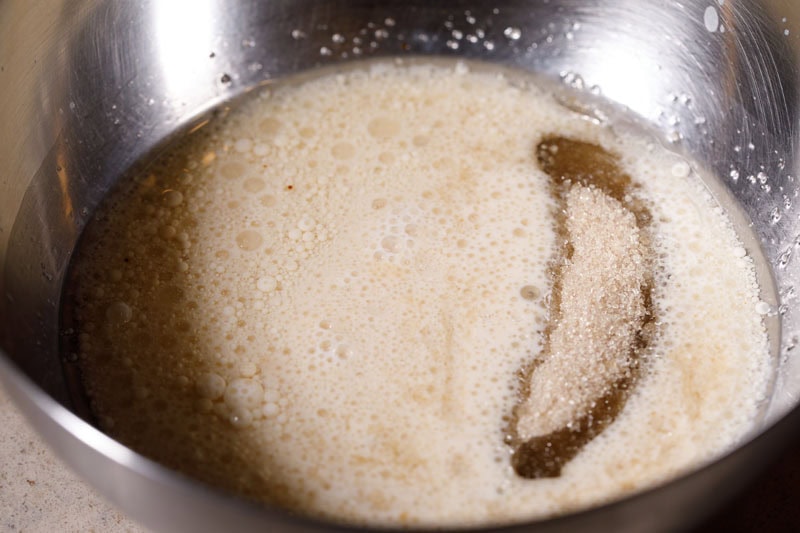
The final assembly involves whisking sugar and oil into the buttermilk mixture until smooth, followed by the gentle integration of the dry ingredients. Over-mixing at this stage is a common pitfall; journalistic observation of the process suggests that a few tiny lumps are preferable to a rubbery texture caused by over-developed gluten. Three-quarters of the cherries are folded into the batter, which is then transferred to a 7-inch pan—the size chosen specifically to produce a "taller" tea cake. The remaining cherries are scattered on top for aesthetic appeal.

Phase V: Thermal Processing and Finishing
The cake is baked for 50 to 55 minutes. A post-bake finishing technique involves brushing the warm cake with a simple sugar syrup. This serves a dual purpose: it provides a professional-grade gloss to the surface fruit and softens any visible flour residue from the initial coating process.
Supporting Data: Nutritional and Technical Specifications

To understand the impact of the Fresh Cherry Cake on the modern diet, a look at the nutritional data is essential. Based on a standard yield of eight servings, each slice provides a balanced profile for a treat-based food item.

- Caloric Content: 262 kcal per serving.
- Macronutrients: The cake contains 44g of carbohydrates and 8g of fat. Notably, the saturated fat is low at only 1g, thanks to the use of vegetable oil rather than butter. It provides 3g of protein.
- Micronutrients: The cake is a surprising source of Vitamin A (53 IU) and Vitamin B9/Folate (44 µg), largely derived from the fresh fruit and fortified flour. It also contains 59mg of calcium and 173mg of potassium.
- Sugar Content: Each serving contains 23g of sugar. However, the recipe allows for "adjustable sweetness," where the baker can reduce the sugar load if the cherries are at peak ripeness.
Technical data suggests that the choice of pan significantly alters the outcome. While a 7-inch pan yields a taller, more traditional "cake" profile, an 8-inch pan increases the surface area, leading to a flatter result and a slightly faster bake time. The moisture retention of the cake is also statistically higher than butter-based sponges; oil remains liquid at room temperature, whereas butter solidifies, often leading to a "dry" mouthfeel in refrigerated cakes.

Official Responses: Expert Insights and Baking Guidance

Leading culinary voice Dassana, an expert in egg-free Indian baking, provides several "official" tips that serve as the standard for this recipe. Her insights focus on the nuances of ingredient substitution and heat management.

"Fresh cherries are non-negotiable for the specific flavor profile of this cake," Dassana notes. She emphasizes that while the recipe is robust, the temperature of the ingredients plays a role. "All ingredients, particularly the milk, should be at room temperature to ensure proper emulsification."

On the topic of pan preparation, the expert recommendation is a dual approach: greasing the pan with oil or butter and lining the base with parchment paper. This is particularly important because cherries release moisture during baking, which can cause the bottom of the cake to stick. Furthermore, Dassana advises that the "moist film" found on the parchment paper after baking is not a sign of an underbaked product but rather a natural result of the fruit’s juices caramelizing against the heat.

Regarding dietary flexibility, the expert response confirms that the recipe is "naturally adaptable" for vegans. By substituting dairy milk with soy or almond milk, the cake maintains its structural integrity without the need for specialized vegan egg replacers.

Implications: The Future of Home Baking and Dietary Trends

The popularity of the Fresh Cherry Cake has broader implications for the culinary industry and home baking culture.

- Democratization of Baking: By removing the need for stand mixers or specialized equipment, this recipe democratizes "seasonal bakes." It moves the needle away from "industrial" baking toward a more artisanal, accessible home-craft model.
- Shift in Leavening Philosophy: The success of the milk-vinegar-soda reaction in this cake challenges the long-held belief that eggs are necessary for high-quality sponges. This has significant implications for the food service industry, which is seeing a rising demand for egg-free options due to allergies, religious restrictions (such as in India), and veganism.
- Seasonal Economic Impact: Recipes that specifically call for fresh seasonal fruit support local agricultural cycles. As more bakers seek out fresh cherries for such recipes, it creates a predictable seasonal demand for stone fruits, benefiting local growers and farmers’ markets.
- The "Tea Cake" Revival: There is a notable shift away from heavily frosted, high-sugar celebration cakes toward "tea cakes"—simpler, fruit-forward bakes that can be eaten at any time of day. This reflects a broader trend toward "mindful indulgence," where the quality of the fruit and the texture of the crumb are more important than decorative icing.
In conclusion, the Fresh Cherry Cake is more than just a recipe; it is a case study in how traditional baking can evolve to meet modern needs. Through clever chemistry, seasonal awareness, and a focus on accessibility, it provides a blueprint for the future of inclusive, fruit-centric desserts. Whether served with a cup of ginger tea or as a standalone dessert, its success lies in its simplicity and its refusal to compromise on texture despite the absence of eggs. As we move further into an era of conscious eating, such recipes are likely to become the new standard in the global kitchen.
