

Main Facts: A Convergence of Ancient Spirit and Modern Luxury
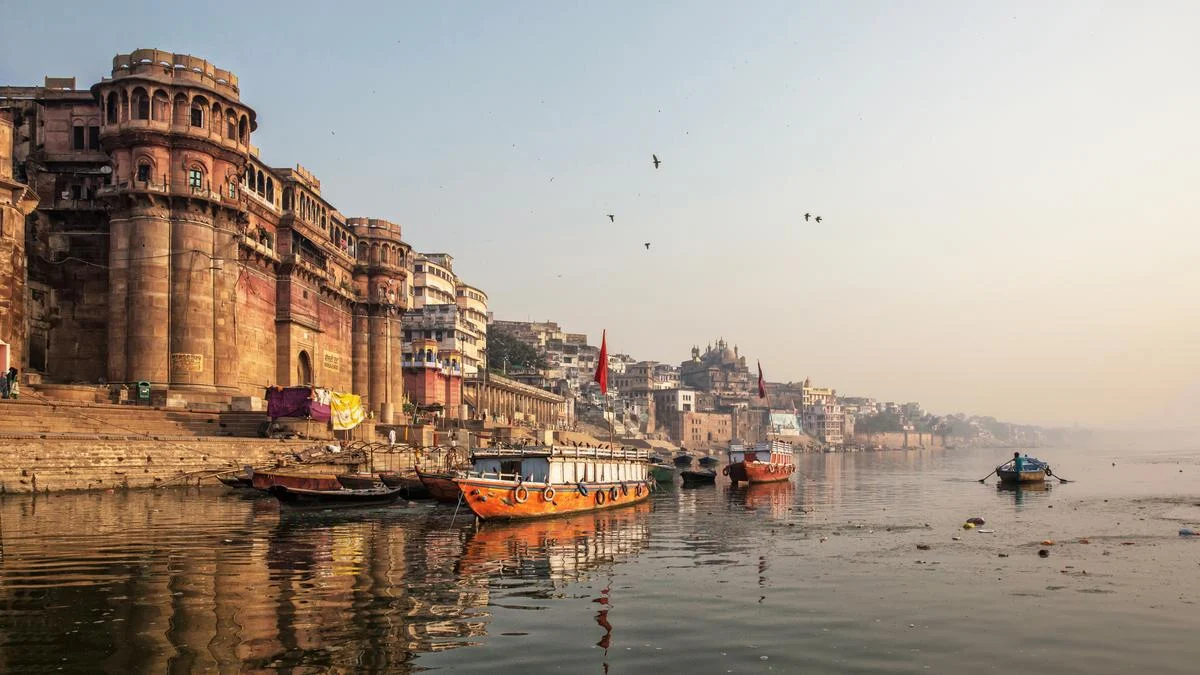
Varanasi, the spiritual heart of India and one of the world’s oldest continuously inhabited cities, is undergoing a subtle yet profound transformation. While the city remains anchored by its ancient rituals and chaotic charm, a new layer of sophisticated tourism is emerging. At the center of this evolution is the BrijRama Palace, a 214-year-old fort-turned-palace situated on the iconic Darbhanga Ghat.
The hotel recently signaled a bold move toward contemporary luxury by launching a 10-course vegetarian tasting menu at its fine-dining restaurant, Aangan. This culinary initiative aims to balance the city’s deep-rooted traditions with the expectations of global luxury travelers. By utilizing locally sourced produce and reinterpreting traditional Kashi recipes—such as the "fortified heritage radish bricks"—BrijRama Palace is positioning itself as a bridge between the city’s gritty street-food culture and a refined, experimental gastronomic future.

This shift comes at a time when Varanasi is seeing increased infrastructure development, including the new Namo Ghat and a surge in heritage restoration projects. The goal is clear: to offer a "palace on a plate" experience that respects the city’s religious prohibitions (no meat or alcohol) while pushing the boundaries of vegetarian innovation.
Chronology: A Journey Through the Senses of Kashi
Day One: The Grit and Grace of Street Culture
The journey into Varanasi begins not in the quietude of a hotel lobby, but in the sweltering, humid embrace of its streets. In the peak of "tamatar chaat weather," where temperatures soar toward 45°C, the first stop is the legendary Kashi Chaat Bandar. Here, the city’s culinary identity is forged in ghee and fire. The tamatar chaat—a soupy, savory concoction of tomatoes and potatoes finished with butter and crisp namkeen—serves as an intense introduction to the city’s palate.

As dusk approaches, the focus shifts toward the river. A walk through the narrow gullies (alleys) leads to the Alka Hotel, a multi-generational establishment offering a panoramic view of the Ganga. Here, the transition from day to night is marked by the cooling sips of thandai, a rich beverage infused with cashews and spices. As the sun sets, the rhythmic chanting and flaming lamps of the Ganga Aarti at Dashashwamedh Ghat begin, providing a spiritual soundtrack to the evening.
Day Two: Entering the Fortress of Luxury
The transition from the streets to the sanctuary of BrijRama Palace occurs via the river. A private boat departs from the modern Namo Ghat, gliding past the smoke of the Manikarnika cremation pyres—a stark reminder of the city’s relationship with mortality. Upon docking at Darbhanga Ghat, the atmosphere shifts from the public chaos of the riverfront to the choreographed hospitality of the palace.

The afternoon is dedicated to a "Benares Thali" at the Darbhanga restaurant, showcasing local staples like khatta meeta kaddu (sweet and sour pumpkin) and dimona (a green pea preparation). This serves as a traditional baseline before the evening’s avant-garde 10-course tasting menu at Aangan.
Day Three: Strength, Poetics, and Departure
The final leg of the experience moves beyond the palate to the physical culture of Varanasi. A morning visit to the 450-year-old Swaminath Akhara at Tulsi Ghat reveals a different side of the city. Here, under the guidance of strength coach Gyanshankul Singh, the ancient art of swinging the Hanuman gada (mace) is practiced alongside traditional wrestling in medicated mud. The trip concludes with a return to the streets for jalebis and lassi, completing the cycle of high-end luxury and grassroots tradition.

Supporting Data: Culinary Innovation and Architectural Restoration
The Aangan Tasting Menu: A Technical Breakdown
The 10-course menu at Aangan is a study in creative constraint. Because the property is strictly vegetarian and alcohol-free, Chef Devansh Seth utilizes smoke, molecular techniques, and architectural plating to create drama.
- The Radish Bricks: A signature dish that uses heritage radishes served in a "moat" of seasoned chaas (buttermilk), bridging the gap between humble root vegetables and fine dining.
- Malaiyo Evolution: The traditional winter sweet of Varanasi, malaiyo (a saffron-infused milk foam), is siphoned into a stable, airy cloud that can be served year-round.
- The Amuse-Bouche: Titled the "Celestial Guardian," it incorporates local folklore into the dining experience, using fire and smoke for theatrical effect.
Restoration and Heritage Metrics
The BrijRama Palace is not merely a hotel but a massive conservation project.

- Timeline: The restoration took 18 years to complete after the building was acquired in 1994.
- Materials: Construction required Mirzapur sandstone and Makrana marble. Due to the city’s narrow alleys, 90-kilogram pillars had to be transported via boat or manual labor through 1-kilometer stretches where vehicles are prohibited.
- UNESCO Status: The property sits within a heritage zone, requiring strict adherence to historical preservation laws.
Official Responses: Voices from the Heritage Sector
The Hotel Perspective: Manish Singh, General Manager
Manish Singh emphasizes that BrijRama Palace is a "labor of love" rather than a purely economic venture. "This is a UNESCO-protected site. We had to balance the installation of modern amenities—like Asia’s first elevator, originally a hand-pulled contraption—with the structural integrity of a 19th-century fort," Singh notes. He explains that the 10-course menu is the hotel’s way of proving that Varanasi can compete on a global culinary stage without compromising its religious identity.
The Local Custodian: Ashutosh Choudhary, Alka Hotel
Representing the local business community, Choudhary highlights the city’s magnetism for diverse groups. "Varanasi brings together tourists, scholars, and artists. Our strength is our snacks—the chaat, paan, and jalebis—but it is the river that keeps the rhythm of our business alive," he says, pointing to a century-old bel tree on his property that has witnessed generations of change.

The Cultural Ambassador: Gyanshankul Singh, Swaminath Akhara
Gyanshankul Singh, a poet and strength coach, views the city’s physical culture as a form of spiritual health. "The mud we wrestle in is not just dirt; it is mixed with buttermilk, turmeric, mustard oil, and Gangajal (water from the Ganga). It is about staying healthy to serve the city," he explains. His encouragement of "post-workout jalebis" reflects the local philosophy that indulgence and discipline are two sides of the same coin.
Implications: The Future of Heritage Tourism in Varanasi
The evolution of BrijRama Palace and the surrounding ecosystem suggests several key implications for the future of Indian tourism:

1. The Rise of "High-Value, Low-Impact" Tourism
By offering ultra-luxury experiences in a condensed, heritage-rich environment, Varanasi is attracting a demographic of travelers who are willing to pay a premium for cultural authenticity. This model helps fund the expensive upkeep of historic buildings that might otherwise fall into disrepair.
2. Gastronomy as Heritage Preservation
The 10-course menu at Aangan demonstrates that food can be a vessel for history. By documenting and elevating recipes like dimona or malaiyo, these establishments ensure that local culinary traditions are preserved and modernized rather than lost to globalized fast-food trends.

3. Sustainable Urban Development
The logistics of the BrijRama restoration—relying on river transport and manual labor—highlight the challenges and rewards of working within ancient urban grids. It sets a precedent for how other historic Indian cities (like Jaipur or Ahmedabad) can approach "brownfield" luxury developments.
4. Balancing Sacred and Secular
The city’s ability to host both the devout pilgrim and the luxury foodie without conflict is a testament to its social resilience. As the writer notes, the experience of being greeted as "Lakshmi" by a wandering sadhu while heading to a fine-dining meal encapsulates the unique, pluralistic spirit of Varanasi.

Conclusion
Varanasi remains a city of contradictions—where the smell of fresh flower garlands mingles with the smoke of the pyre, and where a 450-year-old wrestling pit sits blocks away from a 10-course tasting menu. The "calling" of Varanasi is no longer just for the spiritual seeker; it is now a destination for the cultural epicurean, proving that even the oldest living city in the world has new stories to tell.
