Main Facts: The Intersection of Conflict and Climate
The contemporary global energy landscape is currently defined by a profound paradox: while geopolitical instability is driving a temporary reduction in fossil fuel consumption, it is simultaneously exposing the structural vulnerabilities of economies built on imported hydrocarbons. As the United Nations climate summit (COP31) concludes in Antalya, Türkiye, a clear consensus has emerged among delegates: energy security is no longer merely a byproduct of climate action—it is a prerequisite for national survival.
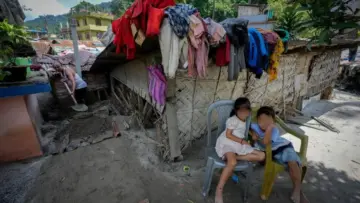
For decades, the transition to clean energy was framed primarily as a moral and environmental obligation. However, the ongoing wars disrupting global shipping routes and energy markets have transformed this narrative. Countries dependent on imported oil and gas—most notably India and other developing nations—now find their fiscal health, industrial growth, and public stability held hostage by conflicts thousands of kilometers away.
The strategic case for domestic renewables has reached a tipping point. Unlike fossil fuels, solar and wind energy do not require passage through contested maritime "choke points," nor are they subject to the whims of volatile global commodity markets. Yet, as the latest data from the Global Carbon Budget 2026 suggests, a crisis-driven reduction in emissions is not the same as a sustainable transition. The challenge facing the Global South is twofold: breaking the addiction to fossil fuels while avoiding new dependencies on critical minerals and ensuring that the transition does not compromise food security or economic equity.

Chronology: From Resource Dependency to the Green Bottleneck
The path to India’s current energy crossroads has been marked by significant milestones in capacity building, followed by emerging structural hurdles:
- 2011–2025: The Foundation of Renewables: Over this 14-year period, India aggressively expanded its renewable footprint. According to the International Energy Agency (IEA), the adoption of solar, wind, and bioenergy during this era reduced cumulative spending on coal and natural gas imports by over $100 billion, providing a massive cushion to the national exchequer.
- 2025: The 500 Terawatt-Hour Milestone: By the end of 2025, India’s renewable electricity generation exceeded 500 terawatt-hours (TWh), accounting for approximately 25% of the country’s total power supply. This period proved that clean energy could scale to meet the needs of a major economy.
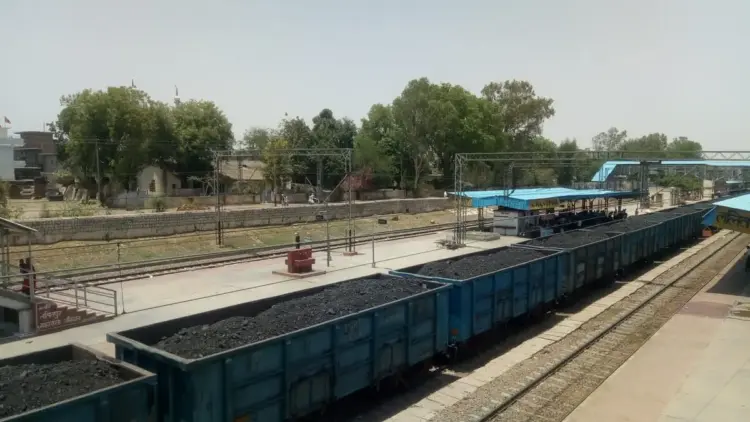
- June 2026: The Revelation of the "Coal Bottleneck": An analysis by the energy consultancy Ember revealed a troubling trend. During the 2025-26 fiscal year, approximately 2.1 TWh of renewable electricity was "curtailed"—essentially wasted—because the existing grid and coal-fired plants lacked the flexibility to accommodate the surge in clean power.
- November 10, 2026: The Global Carbon Budget Report: The release of the 2026 Global Carbon Budget highlighted a 0.4% dip in global fossil CO2 emissions, driven largely by high prices and supply disruptions in Iran and the Middle East. However, it also noted a 0.6% rise in coal emissions, signaling that nations are falling back on "dirtier" fuels when gas and oil become unavailable.
- November 2026: COP31 in Antalya: World leaders gathered in Türkiye to finalize pathways for climate finance. The summit underscored that while the economic case for green energy is settled, the financial mechanisms to support it in the Global South remain dangerously inadequate.
Supporting Data: The Economics of Vulnerability and Transition
The data underlying the current energy crisis paints a picture of an economy in mid-metamorphosis. India remains one of the world’s most vulnerable major economies regarding energy imports. It currently sources 88% of its crude oil from overseas, and despite the renewable boom, over 93% of its primary energy supply is still derived from fossil fuels.
The Emissions Divergence
The Global Carbon Budget projections for 2026 illustrate the "two-speed" nature of the transition. While global oil emissions are expected to decline by 1.9% due to geopolitical shocks, India’s fossil fuel CO2 emissions are projected to rise by 4.4%. This is driven by a 5.9% increase in coal emissions, as the nation’s industrial activity and cooling demands outpace the current rate of renewable integration.
The Ethanol Paradox
India’s ethanol blending program provides a stark example of the trade-offs involved in seeking energy independence. By August 2025, the program had:

- Saved over ₹1.44 trillion ($17.3 billion) in foreign exchange.
- Substituted approximately 24.5 million metric tonnes of crude oil.
- Altered agricultural incentives, with sugarcane-related feedstocks making up 62% of supply, followed by maize at 20%.
However, this success comes with a resource cost. Research from the Centre for Study of Science, Technology and Policy (CSTEP) and PRS Legislative Research indicates that the diversion of maize and rice toward fuel production is beginning to tighten the supply of animal feed and could, if left unmanaged, threaten long-term crop diversity.
The Technology Offset
A study published in Nature Climate Change provides a glimmer of hope, estimating that the rapid deployment of solar, wind, and electric vehicles (EVs) could offset between 64% and 79% of the additional emissions associated with rising global energy demand through 2028. For India, the IEA estimates that without the renewable capacity added since 2010, coal imports in 2025 would have been 110 million tonnes higher than they currently are.
Official Responses: Voices from the Frontlines
The tension between urgent climate goals and the realities of national security was a central theme for experts and officials at COP31.
Pierre Friedlingstein, director of the Global Carbon Budget Office, issued a stern warning: “A decline in fossil CO2 emissions is encouraging, but a reduction driven partly by geopolitical shocks is not a sustainable climate solution.” His sentiment highlights the fear that once markets stabilize and prices drop, emissions could rebound if structural changes aren’t made.

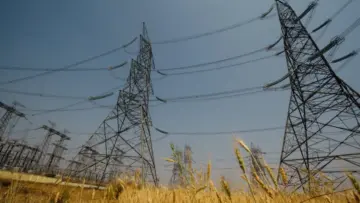
Neshwin Rodrigues, a senior energy analyst at Ember, pointed to the specific technical challenges in the Indian grid. “Coal’s remaining hold is after dark,” he noted, emphasizing that India’s transition is no longer about just adding "panels and turbines," but about building the storage and flexible grid systems that allow renewables to dominate 24/7.
On the diplomatic stage, Indian representatives at COP31 have remained steadfast in their demand for "predictable climate finance." The Indian government has argued that the Global South cannot be expected to leapfrog into a green economy while facing borrowing costs that are significantly higher than those in the West. This "green premium" on capital is viewed by many developing nations as a form of economic suppression that prevents them from achieving the very energy security the world demands.
Implications: A Just Transition vs. New Dependencies
The transition away from fossil fuels is not a simple swap of one technology for another; it is a total reconfiguration of the global economy. The implications of this shift are profound and multifaceted:
1. The Risk of New Dependencies
As nations move away from oil-rich regions, they risk becoming dependent on the small handful of countries that control the supply chains for critical minerals like lithium, cobalt, and rare earth elements. For India, energy security in 2040 may depend less on the Strait of Hormuz and more on secured access to mineral processing hubs.

2. The Food-Energy-Water Nexus
The expansion of biofuels (like ethanol) and the land requirements for massive solar parks create a "land-use conflict." In a country with a population as large as India’s, using farmland for fuel rather than food is a delicate balancing act. Experts warn that current cultivation patterns, which favor water-intensive crops like sugarcane for ethanol, could exacerbate water stress in already arid regions.
3. The Financial Barrier
The most significant hurdle remains the "cost of independence." Building the infrastructure for a clean economy—transmission networks, battery storage, and EV charging grids—requires trillions of dollars. With many Indian electricity distribution companies (DISCOMs) already under financial stress, the ability to absorb the costs of this transition without passing them on to the poorest consumers remains a daunting challenge.
4. The Measurement of Progress
The conclusion of COP31 in Türkiye signals a shift in how climate progress is measured. It is no longer enough to track how much renewable capacity is added. The true metric of success for the next decade will be how much fossil fuel is displaced.
As the world looks toward 2030, the lesson of the mid-2020s is clear: the path to a cleaner planet is inextricably linked to the path of national security. For India and the developing world, the green transition is the only way to insulate their citizens from the shocks of a volatile world. However, that path must be paved with fair financing and a holistic view of resource management to ensure that in solving the energy crisis, they do not inadvertently create a food or water crisis.