

By Special Correspondent
The arrival of the Indian monsoon is often narrated through the lens of meteorology—the movement of low-pressure troughs, the saturation of the atmosphere, and the relief of the first downpour on parched earth. However, for the subcontinent’s vast and varied wildlife, the monsoon is more than a weather pattern; it is a profound biological catalyst.
While the human eye looks to the horizon for dark clouds, the natural world receives its cues through more subtle, rhythmic shifts. From the vibrant yellow transformation of the Indian bullfrog to the intricate architectural feats of the Baya Weaver, the monsoon initiates a complex series of behavioral, physiological, and ecological transitions that define the rhythm of life in South Asia.
Main Facts: The Biological Transformation of a Subcontinent
The monsoon does not act as a singular "starting gun" for all species. Instead, it serves as a multi-phased conductor, orchestrating a symphony of life where each player enters at a different cue. The primary facts of this seasonal shift revolve around three main pillars: reproductive cycles, morphological changes, and the emergence of dormant life forms.
The Spectacle of the Indian Bullfrog
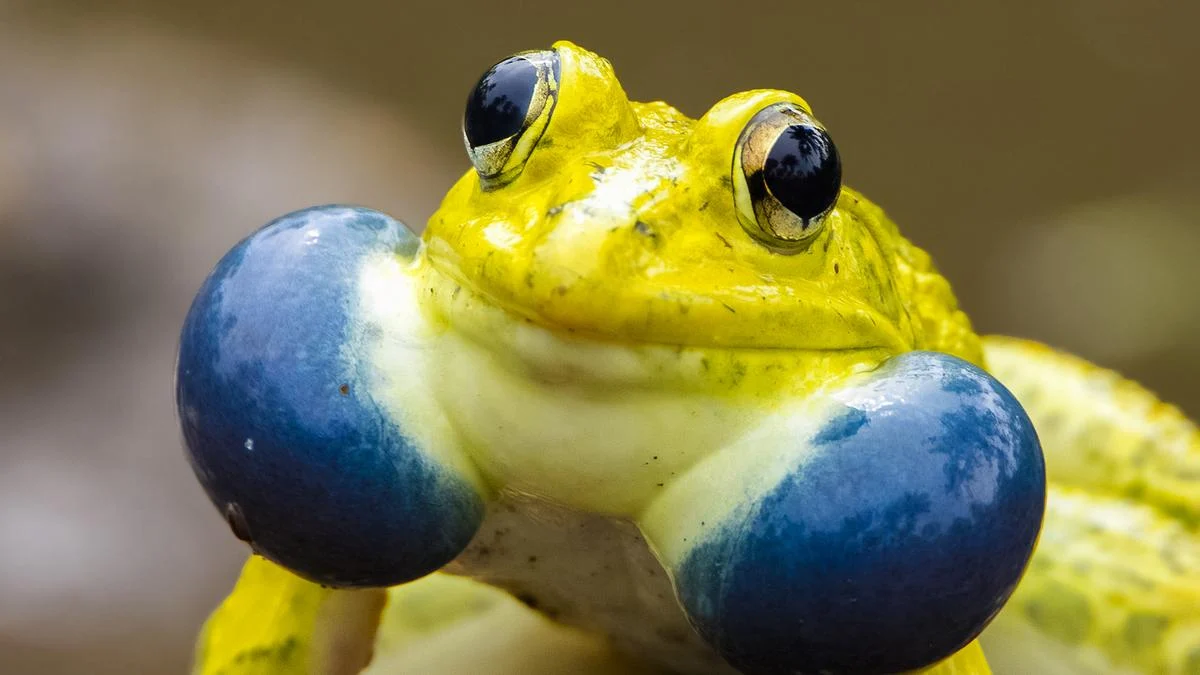
Perhaps no creature embodies the monsoon spirit as vividly as the Indian bullfrog (Hoplobatrachus tigerinus). For most of the year, these large amphibians are unremarkable in appearance, sporting olive-green or brown skin that camouflages them in muddy banks. However, with the first heavy rains, a dramatic metamorphosis occurs.
Male bullfrogs undergo a rapid color change, turning a brilliant, neon yellow. This is accompanied by the inflation of their dual vocal sacs, which turn a striking cobalt blue. This "nuptial dress" is a high-stakes advertisement to females, signaling health and vigor. The booming calls that follow are not merely noise; they are the soundtrack of a competitive breeding season where thousands of frogs congregate in temporary monsoon pools to ensure the next generation.
The Baya Weaver’s Architectural Marvel
Simultaneously, in the grasslands and scrub forests, the Baya Weaver (Ploceus philippinus) begins its famous nesting ritual. The monsoon provides the two essential materials for their complex, retort-shaped nests: long, flexible blades of fresh green grass and wet mud. The males, who also develop a bright yellow breeding plumage on their crown and breast, must prove their worth through craftsmanship. A female will only choose a mate after inspecting the structural integrity and location of the half-finished nest. The timing is precise; the nests must be completed and eggs laid while the rains ensure a steady supply of insects—specifically grasshoppers and caterpillars—needed to feed the demanding chicks.
The Hidden Kingdom: Fungi and Micro-Ecology
Beneath the feet of these larger animals, the monsoon unlocks a hidden world. Fungi, which spend the dry months as vast underground networks of mycelium, respond to the sudden increase in soil moisture and humidity. Overnight, rain-darkened logs and forest floors erupt with mushrooms and bracket fungi. These are the reproductive fruiting bodies of the fungi, releasing spores into the damp air to colonize new territories. This fungal bloom is critical for the forest ecosystem, accelerating the decomposition of organic matter and recycling nutrients back into the soil just as plants enter their most vigorous growth phase.
Chronology: The Seasonal Progression of Life
The biological response to the monsoon is a chronological progression that mirrors the movement of the rain clouds from the coast to the interior.
Phase I: Pre-Monsoon Anticipation (April – May)
Long before the first drop falls, certain "sentinel species" begin their preparations. The Jacobin Cuckoo, a migratory bird, often arrives in northern India just ahead of the monsoon winds, earning it a reputation in folklore as the harbinger of rain. During this period, humidity levels begin to climb, and many reptiles, including the King Cobra, conclude their mating rituals to ensure their eggs are laid in locations that will remain safe from flooding once the rains intensify.
Phase II: The Onset and the Great Emergence (June – July)
As the monsoon makes landfall in Kerala and moves toward the Himalayas, the "emergence" begins. This is the period of the Indian bullfrog’s transformation and the initial construction phases of the Baya Weaver’s nest. This phase is also characterized by the "termite flight." After the first few heavy rains, winged reproductive termites (alates) emerge from the ground in the millions. This creates a temporary but massive food glut that supports everything from spiders and frogs to birds of prey and even opportunistic mammals.
Phase III: The Peak and the Nursery Period (August – September)
By mid-August, the landscape is transformed into a lush, green expanse. This is the peak nursery period. The temporary wetlands created by the rain are teeming with tadpoles and dragonfly larvae. Migratory fish move upstream into flooded fields to spawn. For many herbivores, such as the Chital (spotted deer), this is a time of plenty, as the abundance of nutritious green fodder supports the high energy demands of nursing mothers.

Supporting Data: The Science of Rain-Triggered Behavior
Ecological studies conducted by the Wildlife Institute of India (WII) and the Zoological Survey of India (ZSI) highlight the precision with which species respond to environmental variables.
- Humidity Thresholds: Research indicates that for many tropical amphibians, a humidity threshold of 75-80% is the primary trigger for emerging from aestivation (a state of dormant "summer sleep").
- Acoustic Ecology: Data collected via bioacoustic monitoring shows that the frequency and volume of Indian bullfrog calls increase in direct correlation with the intensity of rainfall, peaking during nights with more than 20mm of precipitation.
- Resource Availability: A study on Baya Weavers found that nest success rates are 40% higher in years with a "normal" monsoon compared to drought years, primarily due to the availability of high-protein insect prey during the crucial first 10 days of a chick’s life.
The monsoon also influences the "Secondary Productivity" of the ecosystem. The biomass of insects in a deciduous forest can increase by over 500% within the first three weeks of the monsoon onset, providing the caloric foundation for the entire food web.
Official Responses and Conservation Perspectives
Government officials and conservationists emphasize that while the monsoon is a time of renewal, it is also a period of vulnerability.
Dr. Ramesh Kumar, a senior scientist at the Ministry of Environment, Forest and Climate Change (MoEFCC), notes: "The monsoon is the lifeblood of our biodiversity. However, we are seeing shifts. When the monsoon is erratic—either delayed or characterized by extreme ‘bursts’ of rain—it can desynchronize the relationship between species. For instance, if the insects emerge before the birds have finished building their nests, the chicks may starve despite the rain."
State Forest Departments across the Western Ghats and Central India often issue "Monsoon Alerts" not just for human safety, but for wildlife protection. "During the heavy rains, animals like snakes and leopards often seek higher ground or move closer to human settlements to avoid flooded burrows," says a Chief Wildlife Warden. "Our response teams are on high alert during these months to mitigate human-wildlife conflict and rescue animals displaced by the rising waters."
Furthermore, the ZSI has called for greater protection of "seasonal wetlands"—the small, often overlooked puddles and flooded fields that serve as the primary breeding grounds for the Indian bullfrog. These areas are frequently filled in for construction during the dry season, leading to a silent decline in amphibian populations.
Implications: A Delicate Balance in a Changing Climate
The intricate dance between the monsoon and India’s wildlife has profound implications for the future of conservation.
Climate Change and Phenological Mismatch
The most pressing concern is "phenological mismatch"—a situation where the timing of a biological event (like a frog breeding) no longer aligns with the environmental conditions it requires. As climate change makes the Indian monsoon more unpredictable, the "biological starting gun" may fire too early or too late. If the bullfrogs spawn in a pool that dries up during a long "break" in the monsoon, an entire generation of tadpoles can be lost.
Urbanization and the Loss of Seasonal Refugia
In urban and peri-urban areas, the "rain-darkened logs" and "half-built nests" mentioned in the original report are becoming rarer. The concretization of cities prevents the formation of temporary monsoon pools. Without these pools, the Indian bullfrog cannot breed, leading to an explosion in the populations of the insects they would normally control, such as mosquitoes and agricultural pests.
The Economic Link
There is also a direct link between wildlife health and human economy. The monsoon-driven cycles of insect emergence and amphibian predation are a natural form of pest control. A healthy monsoon biological cycle reduces the need for chemical pesticides in the surrounding agricultural lands, showcasing the "ecosystem services" provided by the very creatures that celebrate the rain.
Conclusion
The Indian monsoon is far more than a seasonal weather event; it is a grand biological awakening. From the microscopic spores of a fungus to the vibrant blue sacs of a bullfrog, every element of the natural world is tuned to the frequency of the falling rain. As we observe the Baya Weaver’s nest swaying in the wind or hear the resonant chorus of frogs in the night, we are witnessing a ancient and vital ritual of survival.
Protecting this cycle requires more than just monitoring rainfall totals; it requires a commitment to preserving the habitats—the wetlands, the old-growth logs, and the grasslands—that allow India’s wildlife to respond to the call of the clouds. In the end, the health of the monsoon’s biological pulse is a direct reflection of the health of the Indian environment itself.
