

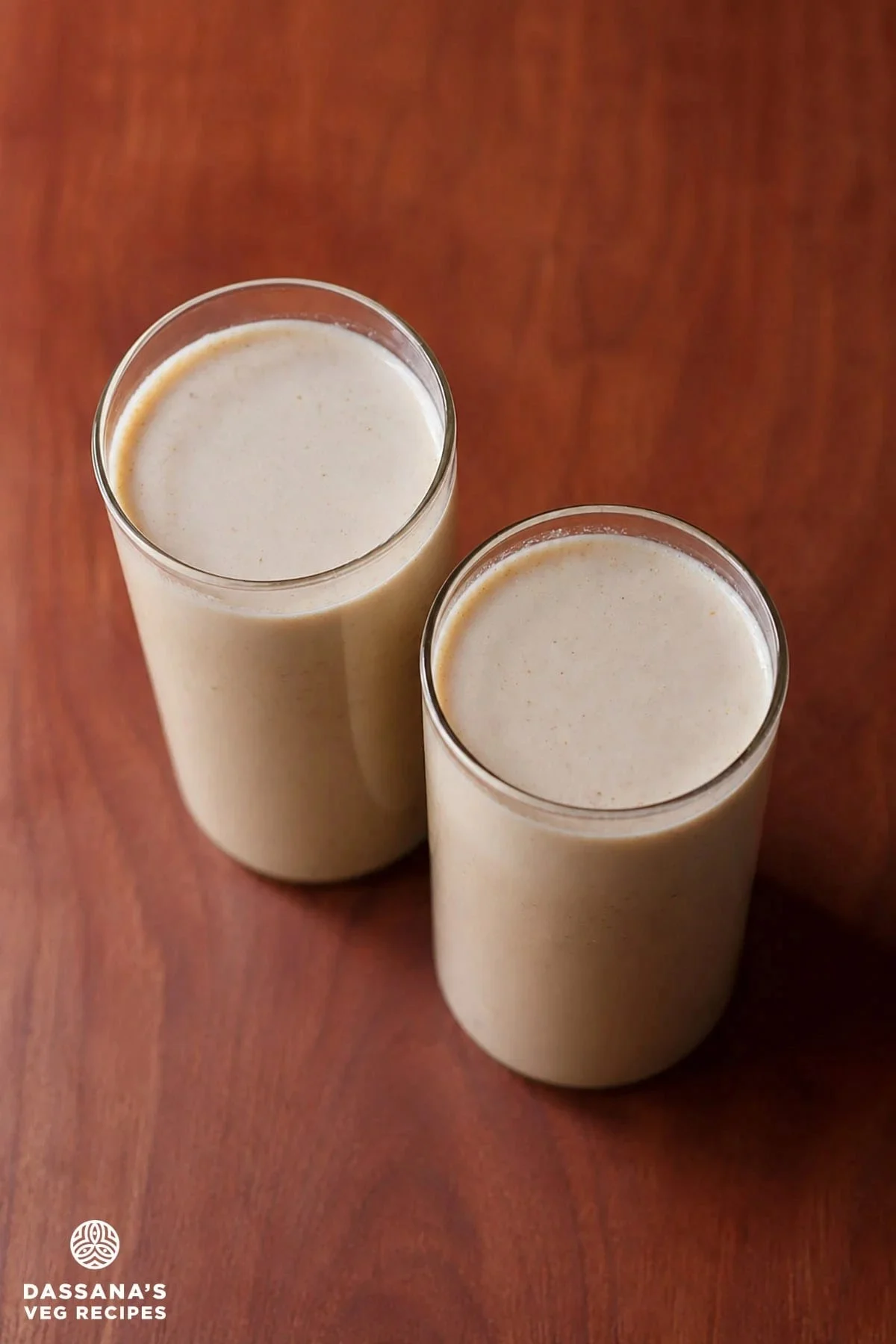
In the evolving landscape of global health and wellness, traditional culinary practices are increasingly being scrutinized—and celebrated—for their functional benefits. Among these, the Kaju Anjeer Milkshake, popularly known as Kaju Shake, has emerged as a cornerstone of nutrient-dense refreshment. A staple of Indian juice centers and households alike, this beverage represents a sophisticated blend of texture, natural sweetness, and caloric efficiency.
Combining the creaminess of cashews (kaju) with the fibrous richness of dried figs (anjeer), the shake transcends the category of a simple dessert. It is now being recognized by nutritionists and culinary historians as a prime example of "whole-food" energy supplementation. As consumers move away from synthetic energy drinks and refined sugars, the Kaju Anjeer Milkshake offers a compelling case study in how traditional ingredients meet modern dietary demands.
Main Facts: The Anatomy of a Power Beverage
At its core, the Kaju Anjeer Milkshake is a high-calorie, nutrient-rich beverage designed to provide sustained energy. Unlike contemporary milkshakes that rely heavily on ice cream, stabilizers, and artificial syrups, the Kaju Shake derives its structural integrity from the emulsification of soaked nuts.

The Role of the Cashew
The cashew nut serves as the primary thickening agent. When soaked, the starch and fat content of the cashew soften, allowing it to blend into a velvety "cream" that mimics the mouthfeel of dairy fats without the need for additional additives. This makes the beverage an ideal candidate for those seeking "clean label" ingredients.
The Fig as a Natural Sweetener
Dried figs provide the dual benefit of flavor and function. As a concentrated source of natural fructose and glucose, they eliminate the necessity for refined white sugar in many preparations. Furthermore, the presence of fig seeds adds a subtle "crunch" or chewiness, providing a sensory contrast to the smooth cashew base.
Cultural Ubiquity
While the recipe is easily replicable in a domestic kitchen, its presence in the public sphere is significant. Across the Indian subcontinent, from the bustling streets of Mumbai to the high-end cafes of Delhi, the "Dry Fruit Shake" menu is a testament to the region’s historical reliance on nuts and dried fruits as symbols of hospitality and vitality.

Chronology: The Methodology of Preparation
The excellence of a Kaju Anjeer Milkshake is not merely a matter of ingredients but of timing and technique. The process follows a specific chronological order to ensure maximum nutrient bioavailability and optimal texture.
Phase 1: Rehydration and Activation
The process begins with the selection of 12 to 15 whole cashews and 10 to 12 dried figs. These are subjected to a rigorous rinsing process to remove surface impurities. The critical step is the "hot soak," lasting between 30 and 45 minutes.
From a culinary science perspective, this soaking period is essential. For the cashews, it initiates the softening of the oleaginous tissues. For the figs, the hot water rehydrates the tough outer skin and the concentrated sugars within, making them pliable for the blender blades. Experts suggest that skipping this step results in a "gritty" texture that diminishes the premium feel of the beverage.

Phase 2: The Primary Emulsification
Once drained, the softened fruits and nuts are transferred to a high-speed blender. A small amount of chilled milk (approximately half a cup) is added initially. This "low-liquid" start is a professional technique used to create a thick, concentrated paste. By blending the solids in a minimal amount of liquid, the mechanical shear of the blender is more effective at breaking down the cellular walls of the nuts, resulting in a smoother puree.
Phase 3: Final Integration and Customization
The remaining two cups of chilled milk are added only after the smooth paste is achieved. This ensures that the final beverage is homogenous. During this stage, the "sweetness profile" is assessed. Depending on the harvest quality of the figs, additional sweeteners like raw sugar or jaggery powder may be introduced, though purists often advocate for the unadulterated sweetness of the fruit.
Phase 4: Service and Presentation
The final product is served immediately to prevent the separation of solids. Garnishing with chopped cashews or saffron strands is not merely aesthetic; it provides an immediate olfactory cue to the richness of the drink.

Supporting Data: A Detailed Nutritional Profile
The Kaju Anjeer Milkshake is a caloric heavyweight, making it particularly effective as a meal replacement or a post-workout recovery drink. Based on standard recipe yields for two servings, the nutritional data reveals a complex micro and macro-nutrient density.
Macronutrient Breakdown
A single serving contains approximately 348 calories. This is distributed across:
- Carbohydrates (47g): Primarily sourced from the natural sugars and fiber in the figs.
- Protein (13g): A significant amount for a beverage, provided by both the milk and the nitrogen-rich cashews.
- Total Fat (14g): Largely comprised of monounsaturated and polyunsaturated fats, which are considered heart-healthy.
Micronutrient Density
The shake is particularly notable for its mineral content:

- Calcium (444mg): Providing nearly 45% of the recommended daily intake (RDI) for adults, essential for bone health.
- Potassium (790mg): Crucial for cardiovascular function and electrolyte balance.
- Magnesium (90mg) and Phosphorus (388mg): Vital for energy metabolism and cellular repair.
Furthermore, the inclusion of figs boosts the Fiber (4g) content, which aids in digestion and ensures a slower release of sugars into the bloodstream, preventing the "insulin spike" common with commercial milkshakes.
Official Responses and Expert Perspectives
Dietitians and health professionals have begun to weigh in on the "Dry Fruit Shake" trend, offering a nuanced view of its place in a balanced diet.
The Nutritionist’s View
"The Kaju Anjeer Milkshake is what we call a ‘functional fuel,’" says Dr. Ananya Sharma, a clinical nutritionist. "While the calorie count is high, these are ‘quality calories.’ You are getting Vitamin B12, Vitamin D, and essential minerals in a bioavailable form. However, we advise patients to view it as a meal—perhaps a breakfast substitute—rather than a side beverage to a heavy dinner."

Culinary Industry Standards
In the hospitality sector, the consistency of the Kaju Shake is often used as a benchmark for quality. "A great Kaju Shake should never require ice cream to be thick," explains Chef Vikram Mehta. "If a restaurant uses ice cream, they are often masking a lack of actual nuts. The authentic recipe relies on the ‘cashew-cream’ effect. It is a more expensive way to produce a shake, but the flavor profile is incomparable."
The Holistic Health Context
In Ayurvedic traditions, both cashews and figs are considered Sattvic foods—those that promote clarity, strength, and balance. Cashews are often recommended for their "grounding" properties, while figs are prized for their ability to cleanse the digestive tract. The combination is seen as a potent tonic for those recovering from illness or undergoing high physical exertion.
Implications: The Future of Traditional Beverages
The popularity of the Kaju Anjeer Milkshake carries broader implications for the global food industry and consumer behavior.

1. The "Alt-Milk" Inspiration
Long before "Cashew Milk" became a trend in Western grocery stores, the Kaju Shake was utilizing the same principles of nut-based emulsification. As the world moves toward plant-based diets, the Kaju Shake provides a blueprint for dairy-free variations. By simply substituting dairy milk with water or coconut milk, the recipe becomes a vegan powerhouse, suggesting that traditional recipes are inherently adaptable to modern ethical standards.
2. Move Away from Refined Sugars
The use of figs as a primary sweetener aligns with the global "War on Sugar." As governments implement sugar taxes and consumers become more literate in reading labels, the Kaju Anjeer Milkshake stands as a testament to the fact that indulgence does not require refined additives. This may influence food manufacturers to look toward dried fruit pastes as a healthier alternative to High Fructose Corn Syrup (HFCS).
3. Economic Impact on Dry Fruit Markets
The rising global demand for beverages like the Kaju Shake has significant economic implications for cashew and fig-producing regions (notably India, Vietnam, and Turkey). As these "luxury" ingredients become staples of the wellness industry, the supply chain’s sustainability and fair-trade practices will come under increased scrutiny.

4. The "Snackification" of Meals
The Kaju Shake fits perfectly into the "snackification" trend, where traditional three-course meals are replaced by smaller, nutrient-dense portions throughout the day. Its portability and high satiety factor make it an ideal product for the "on-the-go" professional.
Conclusion
The Kaju Anjeer Milkshake is more than a nostalgic beverage; it is a sophisticated culinary achievement that bridges the gap between ancient dietary wisdom and modern nutritional science. By prioritizing whole ingredients and traditional preparation methods, it offers a sustainable model for healthy indulgence. As the beverage industry continues to pivot toward "functional" and "clean" products, the humble Kaju Shake serves as a reminder that sometimes, the best innovations are those that have been in our kitchens for generations.
