KOCHI, India — In the rapidly urbanizing landscape of Kerala’s coast, where the rhythm of life is often dictated by the pulse of commerce and the encroachment of concrete, a hidden world of ecological industry is bustling beneath the surface. A landmark study of the Vypin-Kadamakkudy barrier island system has revealed a startling biological resilience: the presence of over 20,000 dung beetles representing 29 distinct species. This discovery, far exceeding initial scientific expectations, highlights the critical role these "ecological engineers" play in maintaining the health of fragile coastal ecosystems even as human development closes in.
Main Facts: A Surprising Hub of Biodiversity
The Vypin-Kadamakkudy barrier island system, located near the bustling port city of Kochi, serves as a unique transition zone between the Arabian Sea and the intricate backwaters of Kerala. While these islands are increasingly characterized by infrastructure projects and residential expansion, a recent survey published in the journal Check List (and highlighted by researchers at Nirmala College) suggests that the area remains a stronghold for the subfamily Scarabaeinae.
The study recorded exactly 20,927 individuals. The diversity of 29 species is particularly significant given that India, as a whole, hosts between 400 and 500 recorded species of dung beetles. Finding nearly 6% of the nation’s known dung beetle diversity in a single, urbanizing island system underscores the high conservation value of these neglected landscapes.
Dung beetles are more than just waste disposal units; they are among the most physically powerful and behaviorally complex insects on the planet. For instance, the male horned dung beetle (Onthophagus taurus) is renowned for its ability to pull 1,141 times its own body weight. To put this into a human perspective, it is equivalent to an average adult lifting six double-decker buses simultaneously. This physical prowess is not merely a biological curiosity; it is the engine that drives nutrient cycling in soils across the globe.
Chronology: From Ancient Landscapes to Urban Encroachment
The history of dung beetles in the Indian subcontinent is intertwined with the evolution of megafauna and the transition to pastoralism. For millennia, these insects followed the tracks of wild elephants and gaurs, and later, the domestic cattle of agrarian societies.
- Pre-Urbanization: Historically, the barrier islands of Kerala provided a mosaic of mangroves, grasslands, and coconut groves. This varied habitat supported a wide range of mammalian life, ensuring a steady supply of dung for specialized and generalist beetle species.
- The Mid-20th Century Shift: As Kerala’s population density increased, traditional land-use patterns shifted. The Vypin-Kadamakkudy islands began to see a rise in human settlement, leading to habitat fragmentation.
- The 2024-2026 Assessment: Recent research, led by K.V. Vinod and his colleagues at the Department of Zoology, Nirmala College (Autonomous), sought to quantify how these insects were faring in the modern era. The data, finalized and published recently, provides a baseline for understanding how urbanization impacts subterranean biodiversity.
- Future Outlook: The study serves as a warning and a guide. With Kerala facing increasing threats from climate change—most notably the devastating floods of 2018 and subsequent years—the survival of these beetles is now linked to the state’s broader climate resilience strategy.
Supporting Data: The Mechanics of Ecological Engineering
The sheer volume of beetles found in the study—nearly 21,000—points to a high density of ecological activity. To understand why this matters, one must look at how dung beetles are categorized by their "handling" styles:
1. The Rollers (Telecoprid)
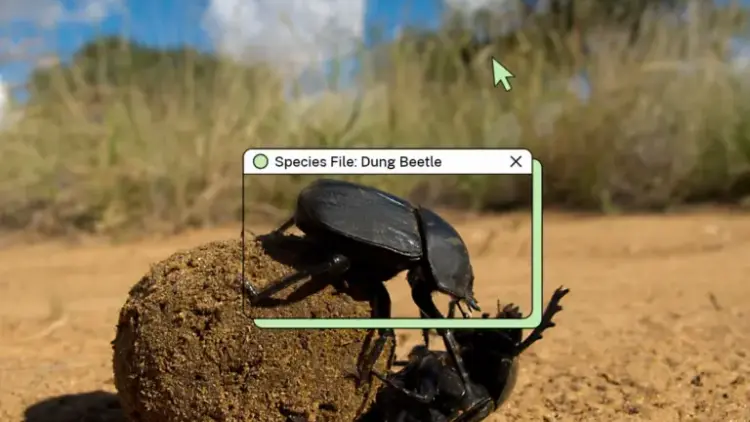
Species such as those in the Gymnopleurus genus are the most famous. They shape dung into spherical balls and roll them away from the source, often using celestial cues like the Milky Way to navigate in a straight line. By burying these balls elsewhere, they disperse nutrients and seeds across a wider area.
2. The Tunnellers (Paracoprid)
Genera like Onitis represent the tunnellers. These beetles dig vertical chambers directly beneath the animal waste. They drag portions of the dung into these tunnels to feed their larvae. This process is vital for soil aeration and the direct injection of nitrogen and phosphorus into the root zones of plants.
3. The Dwellers (Endocoprid)
Beetles like the Oniticellus species do not move the dung far. They live and breed within the dung pat itself. While they do not aerate the soil as much as tunnellers, they are essential for the rapid breakdown of waste on the surface.
Environmental Impact and Climate Mitigation
The supporting data from the Kerala study suggests that these beetles are performing "ecosystem services" worth millions of dollars if they were to be mechanized.

- Methane Reduction: By burying dung, beetles prevent it from anaerobic decomposition on the surface, which significantly reduces the release of methane—a greenhouse gas 25 times more potent than carbon dioxide.
- Pest Suppression: By rapidly removing dung, beetles eliminate the breeding grounds for flies and parasites that plague livestock and humans.
- Seed Dispersal: Many dung beetles are "secondary seed dispersers." They bury seeds found in animal dung, protecting them from predators and placing them in nutrient-rich environments conducive to germination.
Official Responses: Threats and Conservation Challenges
Despite their importance, dung beetles in India face an uncertain future. K.V. Vinod, a lead researcher in the study, has highlighted several anthropogenic pressures that threaten to collapse these insect populations.
“Key threats include habitat loss and fragmentation due to rapid urban expansion,” Vinod stated in a report. He emphasized that the "barrier" nature of these islands makes them particularly vulnerable, as species have nowhere to retreat when their habitats are paved over.
The Ivermectin Crisis
A major concern raised by researchers and veterinary scientists is the use of ivermectin. This powerful antiparasitic drug is commonly administered to livestock across India. However, the drug is excreted in the animal’s dung, remaining toxic to dung beetles. "The use of veterinary drugs such as ivermectin can render dung toxic to beetles, effectively turning their food source into a lethal trap," Vinod warned. This chemical contamination can lead to localized extinctions of beetle populations, even in areas where dung is seemingly plentiful.
Lack of Red List Assessment
Globally, the IUCN Red List is the gold standard for assessing extinction risk. However, the vast majority of Indian dung beetle species have yet to be assessed. Without official "Endangered" or "Vulnerable" statuses, it is difficult for local conservationists to secure the funding and legislative protection needed to safeguard beetle habitats.
Implications: Why an "Insect-First" Policy Matters
The findings from the Vypin-Kadamakkudy system have profound implications for urban planning and environmental policy in Kerala and beyond.
Urban Planning and Green Corridors
The fact that 29 species survive in an urbanizing landscape suggests that even small pockets of "wild" land or traditional agricultural plots can act as refugia. Urban planners must consider the preservation of "soft" ground—areas not covered by concrete—to allow tunnellers and rollers to continue their work. The creation of green corridors connecting different parts of the island system could prevent the genetic isolation of these populations.
Climate Change Adaptation
Kerala is on the front lines of climate change. Rising sea levels lead to salinity intrusion, which can alter the soil chemistry and kill beetle larvae. Furthermore, extreme flooding events can drown subterranean populations. Protecting dung beetles is, therefore, a matter of climate security; without them, the soil becomes compacted and less able to absorb floodwaters, and methane emissions from unmanaged waste could rise.
Agricultural Policy
The "ivermectin effect" calls for a rethink of veterinary practices. Moving toward "dung-beetle-friendly" parasite management or ensuring that treated cattle are kept away from open pastures during the drug’s peak excretion period could save millions of beetles.
Conclusion
The 20,927 dung beetles of Vypin-Kadamakkudy are a testament to the endurance of nature. However, their presence should not be taken as a sign of safety, but rather as a call to action. As the world grapples with a global decline in insect populations—often referred to as the "insect apocalypse"—the conservation of these remarkably strong, celestial-navigating waste managers is essential. They are the silent custodians of Kerala’s soil, and their disappearance would be a loss that no amount of human technology could easily replace.