

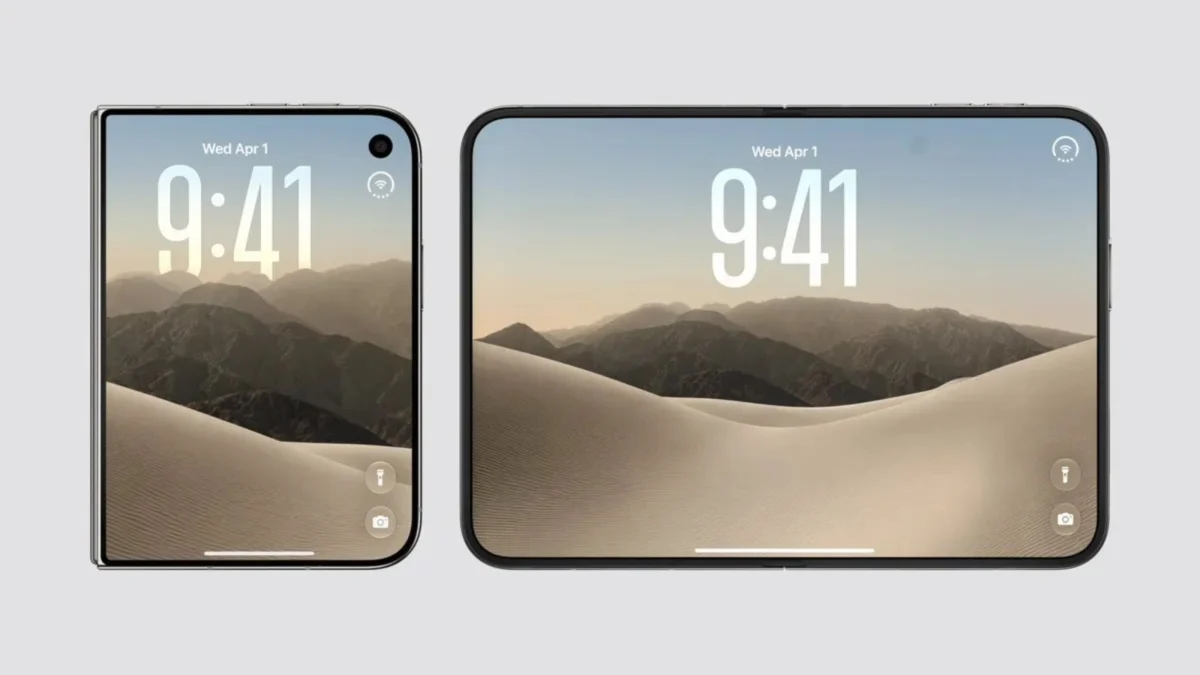
Cupertino, CA – September 9, 2026 – In a highly anticipated and transformative annual keynote, Apple has finally thrown its considerable weight into the nascent foldable smartphone market, unveiling the groundbreaking iPhone Duo. This strategic entry signals a profound shift, indicating that the foldable segment has matured sufficiently to capture a significant share of sales, value, and, critically, the attention of the world’s second-richest company. Breaking from tradition, Apple bypassed its conventional "base model" introductions, choosing instead to spotlight the premium iPhone 18 Pro and iPhone 18 Pro Max, alongside the revolutionary Duo, suggesting a strategic pivot towards high-value segments and a potentially staggered release cycle for its diverse product verticals.
The Wednesday event, streamed globally from the iconic Steve Jobs Theater, was not just about hardware innovation; it also marked a pivotal moment in Apple’s leadership. Taking center stage for his inaugural keynote at the theater was the company’s new CEO, John Ternus, who articulated a compelling vision for the future. "As we look ahead, we see a future filled with enormous discovery and transformation. AI makes entirely new kinds of experiences possible," Ternus declared, outlining his vision for an "intelligent personal hub" – a seamless integration of broad new capabilities with a deep understanding of individual user context. "It’s the intersection of broad new capability and a deep understanding of your personal context that makes this idea so powerful…"
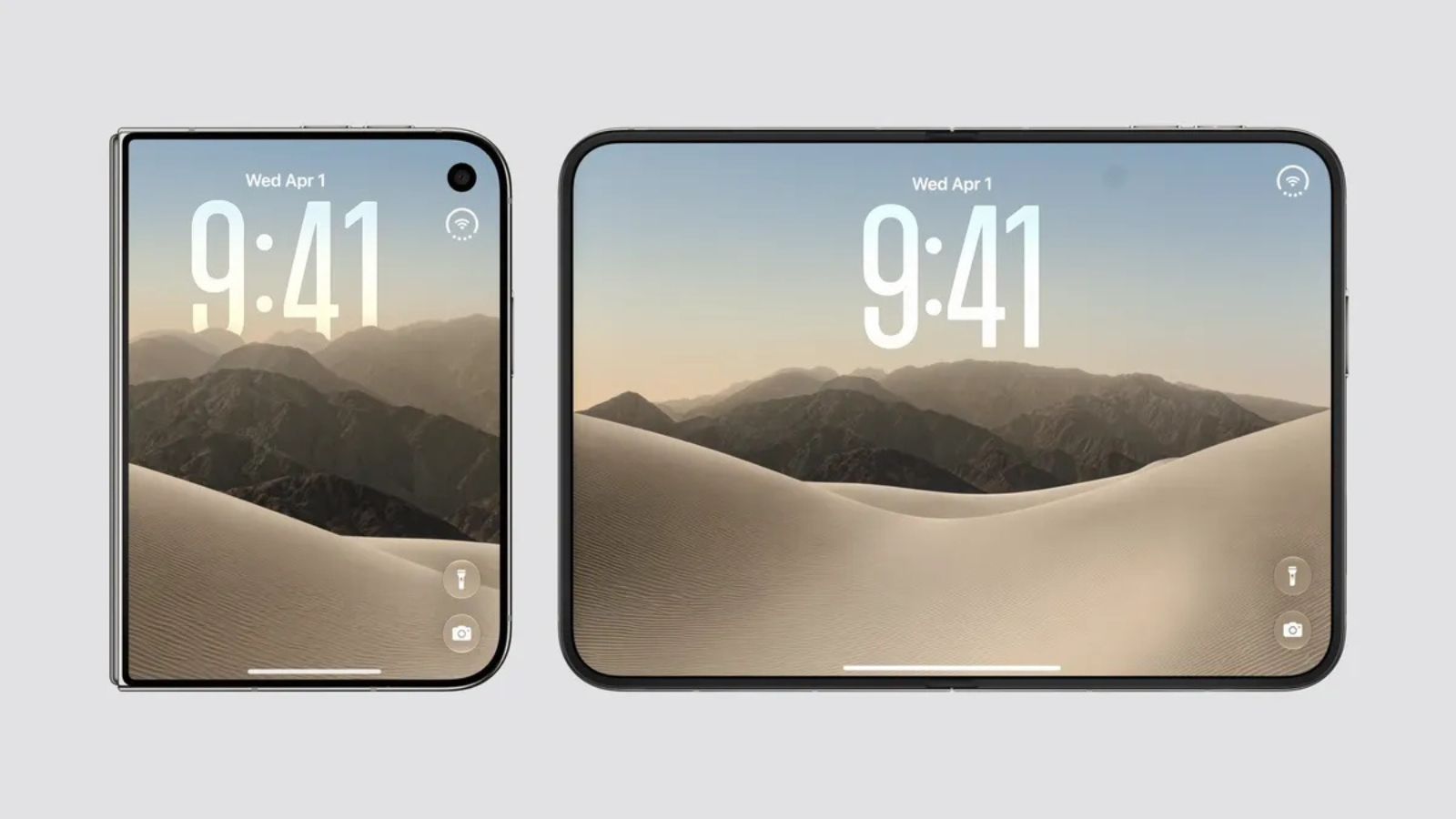
Ternus explicitly linked this future to the need for expanded digital real estate, thereby presenting the logical imperative behind the new iPhone Duo. This innovative form factor, he asserted, redefines the quintessential iPhone experience, meticulously yoking hardware and software into an unprecedented synergy. "The iPhone Duo brings an entirely new design while preserving everything you love and expect from iPhone. It gives you the largest display ever on an iPhone while still fitting easily in your pocket. It reflects extraordinarily complex engineering, yet feels effortless to use. And it makes new experiences possible," Ternus eloquently summarized, setting the stage for what many analysts believe will be a seismic shift in the mobile technology landscape.
The keynote also saw the introduction of the powerful iPhone 18 Pro and iPhone 18 Pro Max, driven by the cutting-edge A20 Pro chips. These devices promise a new generation of Siri, boasting advanced on-device AI capabilities crucial for delivering the "personal context" Ternus envisions. Sribalan Santhanam, Apple’s Vice-President of Silicon Engineering, detailed how the A20 Pro features a dedicated second neural engine, specifically designed to handle sophisticated on-device AI models. Complementing these advancements, the Pro models benefit from larger batteries and significantly enhanced camera features, reinforcing Apple’s commitment to delivering unparalleled performance and user experience. Further enriching the Apple ecosystem, the company also unveiled the AirPods 5, featuring advanced active noise cancellation, and the Apple Watch Series 12 and Ultra 4 models, equipped with superior sensors and AI-driven data analysis layers. The iPhone 18 Pro starts at Rs 164,900, with the iPhone 18 Pro Max beginning at Rs 179,900, available in 256GB, 512GB, 1TB, and a staggering 2TB storage capacities.
A New Chapter: The Chronology of Apple’s Foldable Journey
The path to the iPhone Duo has been a long and winding one, marked by years of intense speculation, countless patent filings, and a palpable anticipation from both consumers and industry observers. For nearly a decade, rumors of an "Apple Fold" have circulated, with reports detailing everything from flexible display prototypes to hinge mechanism designs being tested behind Cupertino’s closed doors. Unlike some rivals who rushed to market with early, often imperfect, foldable designs, Apple maintained its characteristic silence and methodical approach, preferring to perfect the technology before a public unveiling. This deliberate pace, while frustrating for some impatient enthusiasts, is emblematic of Apple’s strategy: to enter a market only when it believes it can deliver a superior, polished user experience that justifies its premium price point.
The Keynote Experience: A Masterclass in Anticipation
The atmosphere at the Steve Jobs Theater was electric, even before John Ternus strode onto the stage. The buzz had been building for months, with industry insiders hinting at something truly transformative. When Ternus, calm and composed, began his address, the focus was immediately on the future – a future defined by artificial intelligence and seamless interaction. The initial segments of the keynote, detailing the advancements in the iPhone 18 Pro and Pro Max, set a high bar, but it was clear something bigger was being held in reserve.
The unveiling of the iPhone Duo was orchestrated with Apple’s signature flair. After a compelling narrative on the evolution of personal computing and the growing demand for more immersive, adaptable screens, Ternus finally introduced the device, which gracefully unfolded on the massive display behind him. The collective gasp from the audience and the immediate flurry of social media activity underscored the magnitude of the moment. It was presented not merely as a new product, but as a "redefinition" of the iPhone experience, positioned squarely as the "intelligent personal hub" he had envisioned. This strategic positioning as the event’s centerpiece, rather than a "one more thing" surprise, highlighted its importance to Apple’s future product roadmap. The omission of traditional "base model" iPhones, with their updates now expected a few months later, further underscored the company’s immediate focus on the premium and innovative segments. This shift could signal a new cadence for Apple’s product launches, allowing for more targeted and impactful updates across its diverse portfolio.
The Herculean Task: Supporting Data and Market Realities
Apple’s entry into the foldable segment is not without its challenges. Foldable phones have been a tangible reality for over seven years, pioneered by giants like Samsung with its Galaxy Fold line and Huawei, which has made significant inroads, particularly in its home market. Yet, despite the patronage of these tech titans and others like Motorola and Google, the foldable market remains a niche, representing roughly just 2 percent of total Android device sales globally. This indicates that mainstream adoption has been elusive, largely due to a combination of factors including high cost, durability concerns, and a perceived lack of compelling software optimization that truly leverages the unique form factor.
Durability and Usability Concerns: A Persistent Shadow
Early foldable designs, while innovative, were often plagued by issues such as visible display creases, fragile screens susceptible to damage, and hinge mechanisms that sometimes struggled with long-term reliability. These factors contributed to user apprehension and a slower-than-expected adoption rate. Consumers, accustomed to the robust reliability of traditional smartphones, were hesitant to invest in devices with question marks over their longevity and everyday practicality. The software experience, too, sometimes felt like an afterthought, with apps not always seamlessly adapting between folded and unfolded states, limiting the "new experiences" foldables promised.
However, Apple’s reputation for meticulous engineering and user-centric design suggests they have likely addressed these pain points head-on. While specific technical details of the Duo’s hinge and display technology were not fully disclosed, industry analysts widely anticipate proprietary solutions. These could include an advanced multi-link hinge designed for a virtually creaseless display, a new generation of ultra-thin glass (UTG) with enhanced scratch and impact resistance, and perhaps even self-healing screen layers. The integration of the Duo within Apple’s tightly controlled ecosystem also promises a software experience optimized from the ground up, ensuring apps scale and adapt intelligently across the larger, flexible canvas.
Market Dynamics: A Stalled Trajectory Awaiting an Apple Spark
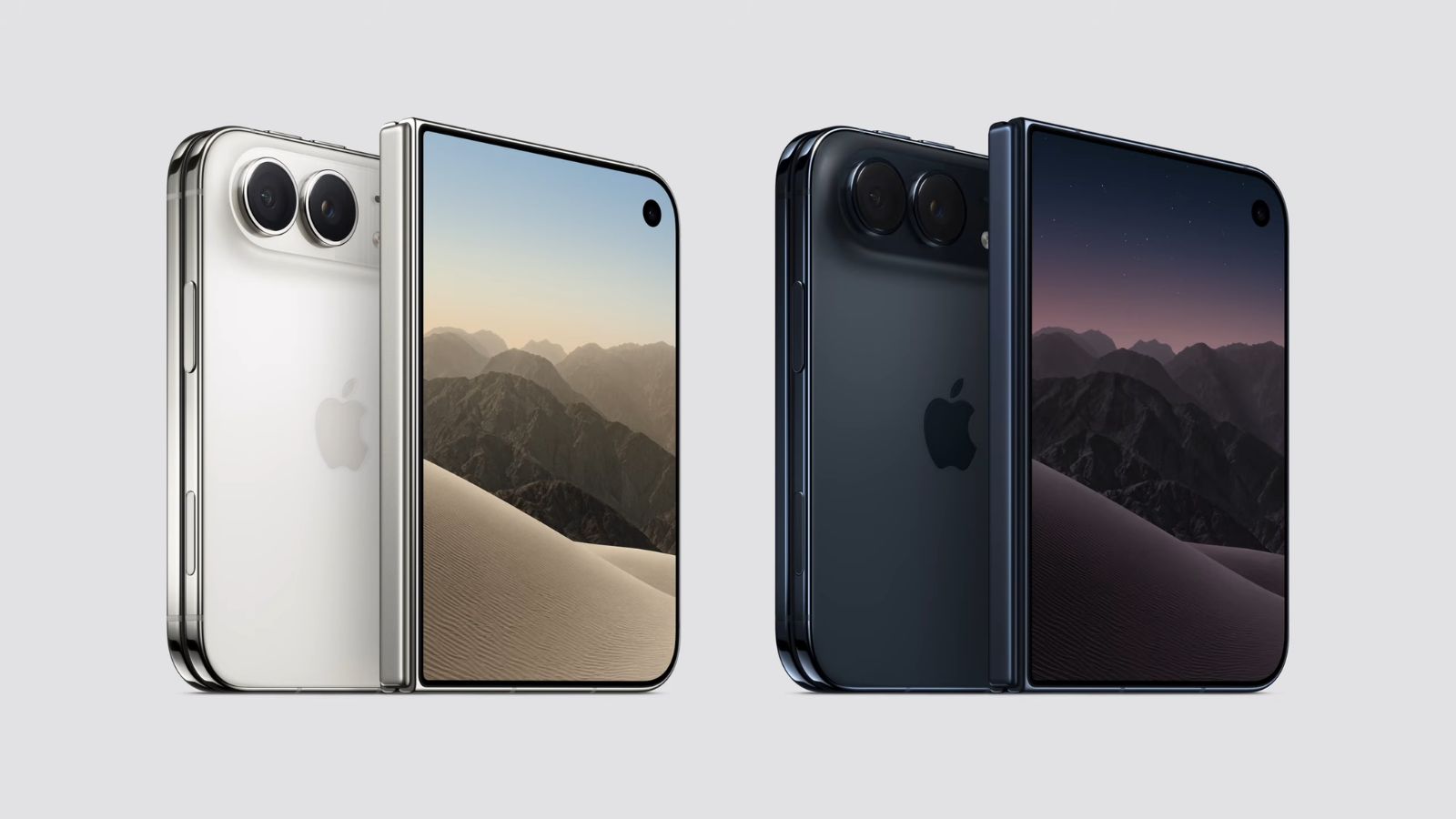
Research firm IDC’s latest data paints a clear picture of a market in flux. Global foldable shipments witnessed a concerning 15% year-over-year decline in the first half of 2026. This downturn suggests a plateauing of demand within the Android ecosystem, where Huawei currently holds a formidable position, commanding 50% of global foldable units and an even more impressive 55% of the segment’s value in the second quarter of 2026. This dominance, particularly within the lucrative Chinese market, highlights the uphill battle Apple faces.
However, IDC forecasts a dramatic reversal with Apple’s entry. The firm projects Apple to sell a remarkable 10 million units of the iPhone Duo in its first 12 months alone, generating an astounding $27 billion in revenue from its inaugural foldable. This staggering figure would account for 44% of the entire segment’s value share, calculated at an average selling price (ASP) of $2,500 – more than double the current average selling price of traditional iPhones. This aggressive pricing strategy positions the Duo firmly in the ultra-premium segment, targeting early adopters and affluent consumers who prioritize cutting-edge technology and the Apple ecosystem.
The introduction of an iOS device in the foldable space is expected to inject a much-needed fillip into the stagnating market. Apple’s proven ability to mainstream products and features, transforming niche technologies into widespread consumer phenomena, is the primary driver behind these optimistic projections. The "hero effect" of an Apple foldable is anticipated to not only boost the company’s own sales but also validate the category as a whole, potentially encouraging broader consumer interest in foldables across all price points.
Official Responses and Strategic Declarations
The messaging from Apple’s leadership, particularly from new CEO John Ternus, was clear: the iPhone Duo is not merely a new product, but a strategic cornerstone for the company’s future, deeply intertwined with its ambitions in artificial intelligence.
John Ternus’s Vision: The "Intelligent Personal Hub"
Ternus’s keynote address went beyond product specifications, outlining a philosophical shift in how Apple views personal technology. His concept of an "intelligent personal hub" suggests a device that anticipates user needs, understands context, and proactively assists, powered by sophisticated on-device AI. This vision positions the iPhone Duo as the central nervous system of a user’s digital life, a device that adapts not just physically, but intelligently, to various tasks and environments. His emphasis on "enormous discovery and transformation" underscores a long-term commitment to evolving the user experience through AI, with the larger, adaptable screen of the Duo providing the ideal canvas for these next-generation interactions. This also marks Ternus’s strong leadership, signaling a new era of innovation under his direction.
Sribalan Santhanam on Silicon Prowess
The technical underpinning of this vision was elaborated by Sribalan Santhanam, VP of Silicon Engineering. His insights into the A20 Pro chip, particularly the inclusion of a dedicated second neural engine, highlight Apple’s significant investment in edge AI processing. This architecture allows for advanced AI models to run directly on the device, enhancing privacy, speed, and responsiveness for features like the new, context-aware Siri. The A20 Pro’s capabilities, combined with improved battery life and camera features, reinforce Apple’s strategy of integrating hardware and software at the deepest levels to deliver unparalleled performance and intelligent experiences. This focus on on-device AI is also a clear differentiator in a world increasingly reliant on cloud-based AI, offering enhanced security and offline functionality.
Analyst Perspectives: A Game-Changer for Market Economics
Francisco Jeronimo, Vice-President at IDC, provided crucial external validation and tempered expectations. While acknowledging that Apple is poised to be "the single largest contributor to segment growth" in 2027, he cautioned that "the foldable stays a premium slice of the market, and Samsung, Huawei and the Chinese vendors will not surrender volume." This emphasizes that despite Apple’s powerful entry, the competition remains fierce, particularly in regions where rivals have established strong footholds.
Jeronimo also highlighted the "genuine risks" facing Apple’s first-generation foldable. These include the perennial concerns of a visible display crease, device weight, overall durability, and a price point that could limit its addressable market. Furthermore, he pointed to the formidable challenge in the Chinese market, where Huawei’s five-year head start in hardware, retail presence, and crucial carrier relationships creates a difficult landscape for Apple to navigate.
Crucially, Jeronimo clarified that Apple’s success with the Duo doesn’t necessarily hinge on selling the most foldables. Instead, he argued, "by anchoring the premium tier and doubling its own average selling price, it converts a stalling, volume-led category into a value engine, and it forces every rival to compete on Apple’s economics rather than their own… That is the more important shift, and it is the one the market should watch first." This profound insight suggests that Apple’s true impact will be in redefining the economic model of the foldable market, shifting the focus from sheer unit sales to profitability and premium positioning, forcing competitors to adapt or risk being marginalized in the high-value segment.
Implications: Reshaping the Future of Mobile Computing
Apple’s entry into the foldable smartphone market with the iPhone Duo is far more than just another product launch; it is a strategic maneuver poised to send ripples throughout the entire mobile technology industry, with profound implications for competition, consumer adoption, and the future trajectory of personal computing.
Mainstreaming the Foldable Category
Perhaps the most immediate implication is the potential for Apple to finally mainstream foldable technology. While Samsung and Huawei have paved the way, their efforts have largely kept foldables a niche, albeit growing, segment. Apple’s "hero effect" – its unparalleled ability to validate and popularize new technologies – could fundamentally alter this dynamic. Consumers who might have been hesitant to embrace foldables from other brands due to perceived durability issues or a lack of software polish are likely to view an Apple foldable with a different level of trust and desirability. This could lead to a significant boost in overall consumer confidence in the category, driving broader adoption across the industry. Developers, too, will likely accelerate their efforts to optimize apps for flexible displays, now that the largest mobile ecosystem has fully committed to the form factor.
A Redefined Competitive Landscape
For existing players like Samsung, Huawei, and Google, Apple’s entry presents both a challenge and an opportunity. While it introduces a formidable new competitor in the premium segment, it also validates the long-term viability of foldables. Rivals will be compelled to innovate more rapidly, not just in hardware design and durability, but critically in software optimization and ecosystem integration, to keep pace with Apple. Jeronimo’s point about Apple forcing rivals to compete on its economics is particularly salient. This could lead to a bifurcation of the foldable market: an ultra-premium segment dominated by Apple and its direct competitors, and a more value-oriented segment where Chinese manufacturers might continue to compete on price and features, albeit with pressure to elevate their quality and user experience. The fight for market share, especially in key regions like China, will intensify.
Apple’s Evolving Product Strategy
The decision to launch the iPhone Duo alongside only the Pro models, and to defer updates for the "base" iPhone models, signals a potential shift in Apple’s broader product strategy. It suggests a move towards a more staggered release cycle, allowing the company to dedicate more focus and innovation to specific segments at different times. This could also indicate an increased emphasis on high-margin, premium devices, reinforcing Apple’s position as a luxury tech brand. The Duo’s integration with the wider Apple ecosystem – including the newly announced AirPods 5, Apple Watch Series 12, and Ultra 4 – will be crucial. Features that leverage seamless handoffs, cross-device continuity, and shared AI capabilities will further entrench users within Apple’s walled garden, making the switch to rival ecosystems even more challenging.
The "Intelligent Personal Hub" and the Future of AI
The concept of the "intelligent personal hub," powered by the A20 Pro’s advanced on-device AI capabilities, represents a significant long-term vision for Apple. This is not just about a foldable screen; it’s about a device that deeply understands user context, anticipates needs, and provides proactive assistance without constant explicit commands. This vision could pave the way for a more intuitive, less intrusive form of human-computer interaction, moving beyond simple voice commands to truly predictive and personalized experiences. The Duo, with its larger, adaptable screen, provides the ideal interface for this next generation of AI-driven computing, potentially blurring the lines between smartphone, tablet, and even laptop in certain use cases.
Consumer Adoption and Accessibility
Despite the anticipated "hero effect," the iPhone Duo’s high average selling price of $2,500 will undoubtedly be a barrier for many consumers. This positions the Duo as a luxury item, initially targeting early adopters, tech enthusiasts, and affluent customers. However, Apple’s history shows that it can eventually bring down prices or introduce more accessible versions of groundbreaking technologies over time. The ultimate success of the Duo, in terms of broader market penetration, will depend on its long-term durability, the development of compelling software experiences that truly leverage the form factor, and Apple’s ability to eventually offer more diverse price points. The real test will be whether the "new experiences possible," as articulated by Ternus, are compelling enough to justify the premium investment for a growing segment of the global consumer base.
In conclusion, Apple’s entry into the foldable market with the iPhone Duo marks a watershed moment. It’s a bold declaration of intent, signaling not only Apple’s belief in the future of flexible displays but also its commitment to redefining the mobile experience through advanced AI and innovative form factors. The challenges are significant, but Apple’s track record suggests that when it commits to a new category, it rarely does so without a clear vision for market leadership and transformative impact. The world will now be watching to see if the iPhone Duo can indeed unfold a new era for personal technology.
