

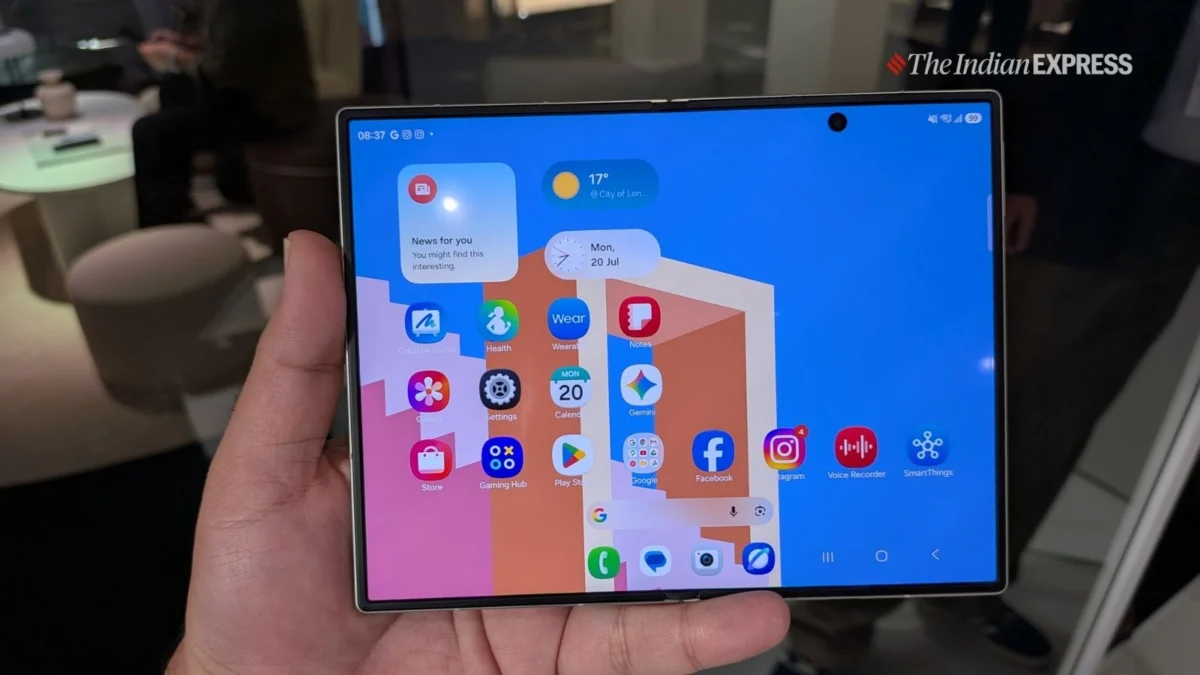
Mumbai, India – July 23, 2026 – Samsung, a titan in the global smartphone industry, today pulled back the curtain on its latest masterpiece in foldable technology, the Galaxy Z Fold 8. Unveiled during a highly anticipated global launch event, the Z Fold 8 represents a significant leap forward in Samsung’s ambitious foldable journey, introducing a suite of enhancements designed to refine the user experience, boost performance, and push the boundaries of mobile form factors.
The new book-style foldable smartphone arrives with a meticulously redesigned chassis, a notably lighter build, a faster, next-generation processor, and accelerated charging capabilities. These advancements underscore Samsung’s commitment to perfecting the foldable paradigm, addressing user feedback, and maintaining its leadership in this nascent yet rapidly evolving segment. However, the launch of the Z Fold 8 also casts a spotlight on its immediate predecessor, the Galaxy Z Fold 7. Despite the new arrival, the Z Fold 7 remains a formidable contender in the premium foldable space, particularly celebrated for its flagship-grade camera system and now, its enhanced value proposition in the market.
This comprehensive analysis delves into the intricate details of Samsung’s latest innovation, comparing the Galaxy Z Fold 8 against the robust foundation laid by the Galaxy Z Fold 7. We explore the design philosophy, technological advancements, and strategic positioning of both devices, aiming to provide a clear perspective for consumers navigating the cutting edge of mobile technology.
The Dawn of a New Fold: Galaxy Z Fold 8 Unveiled
The launch of the Galaxy Z Fold 8 on Wednesday, July 23, 2026, marks another pivotal moment in the trajectory of foldable smartphones. Samsung’s latest iteration is not merely an incremental update but a deliberate evolution, focusing on user-centric design and performance optimizations. The device’s official debut was met with keen interest from tech enthusiasts, industry analysts, and consumers eager to witness the next phase of foldable refinement.
Key Highlights of the Galaxy Z Fold 8:
- Redesigned Form Factor: A wider, shorter stance for improved ergonomics and media consumption.
- Lighter Chassis: At 201g, it’s the lightest Galaxy Fold to date, enhancing portability and comfort.
- Next-Gen Performance: Powered by the Snapdragon 8 Elite Gen 5 for Galaxy chipset, promising unparalleled speed and efficiency.
- Faster Charging: Significant improvements in wired and wireless charging speeds.
- Enhanced Durability: Introduction of Flex Titanium display structure and continued IP48 dust and water resistance.
- Advanced AI Integration: Expanded Galaxy AI features for a smarter, more intuitive user experience.
While the Z Fold 8 introduces these compelling hardware and software changes, the Galaxy Z Fold 7, launched in 2025, continues to be a highly capable device. Its robust feature set, including a highly acclaimed camera system, positions it as a strong alternative, especially with recent price adjustments and promotional offers. The comparison between these two devices is crucial for prospective buyers, as each offers a distinct set of advantages catering to different priorities.
A Journey Through Innovation: The Evolution of Samsung’s Foldable Vision
The introduction of the Galaxy Z Fold 8 is not an isolated event but a continuation of Samsung’s pioneering efforts in the foldable smartphone market. Since the debut of the original Galaxy Fold in 2019, Samsung has consistently iterated, refined, and pushed the boundaries of what a smartphone can be. This chronological evolution highlights Samsung’s dedication to overcoming engineering challenges, enhancing durability, and improving user experience with each generation.
The initial Fold models were groundbreaking but also faced early challenges, particularly concerning display durability and hinge mechanisms. Samsung meticulously addressed these concerns, leading to more robust designs, such as the introduction of Ultra Thin Glass (UTG) and improved hinge architectures in subsequent generations. The Galaxy Z Fold 7, launched last year, represented a mature phase in this evolution, offering a refined design, powerful performance with the Snapdragon 8 Elite for Galaxy processor, and a highly versatile, professional-grade camera system that solidified its position as a true flagship device. It showcased Samsung’s ability to integrate high-end specifications into a complex foldable form factor, proving that foldables could compete head-on with traditional bar phones in terms of raw power and photographic capabilities.
Now, the Galaxy Z Fold 8 takes the baton, focusing on refining the physical interaction and introducing a new era of AI integration. This iterative design philosophy — learning from each generation and strategically enhancing key areas — is a hallmark of Samsung’s approach to foldables. The shift towards a wider form factor, a lighter build, and increased focus on AI underscores a strategic pivot towards optimizing the device for media consumption, gaming, and intelligent personal assistance, while still maintaining core productivity features. The evolution from Fold 7 to Fold 8 is a testament to Samsung’s long-term vision for foldables, moving beyond mere novelty to establish them as mainstream, indispensable tools for the modern digital lifestyle.
Supporting Data: A Detailed Comparison of Two Foldable Giants
To truly understand the advancements and trade-offs between the Galaxy Z Fold 8 and its predecessor, a meticulous side-by-side analysis of their specifications and features is essential.
Price Point and Market Positioning
The financial investment required for cutting-edge foldable technology remains significant, and the Z Fold 8 continues this trend.
- The Galaxy Z Fold 8 enters the Indian market with a starting price of Rs 1,79,999 for the 12GB + 256GB variant. It is available in Graphite, Cream, and Lavender, with Pistachio offered as an online-exclusive option, appealing to a broader aesthetic preference.
- In contrast, the Galaxy Z Fold 7 launched at Rs 1,74,999 for the 12GB + 256GB model. Crucially, as an older model, it is now widely available through various retail channels, often accompanied by attractive discounts, exchange offers, and bundled promotions. This makes the Z Fold 7 a compelling value proposition for consumers seeking a premium foldable experience at a more accessible price point.
The marginal price increase for the Z Fold 8 reflects the significant hardware upgrades and new AI capabilities. For many, the Fold 7’s current market price, coupled with its still-impressive specifications, presents a strong argument for budget-conscious premium buyers.
Design and Display: A Redefined User Interface
Perhaps the most immediately noticeable difference between the two devices lies in their physical design and display characteristics.
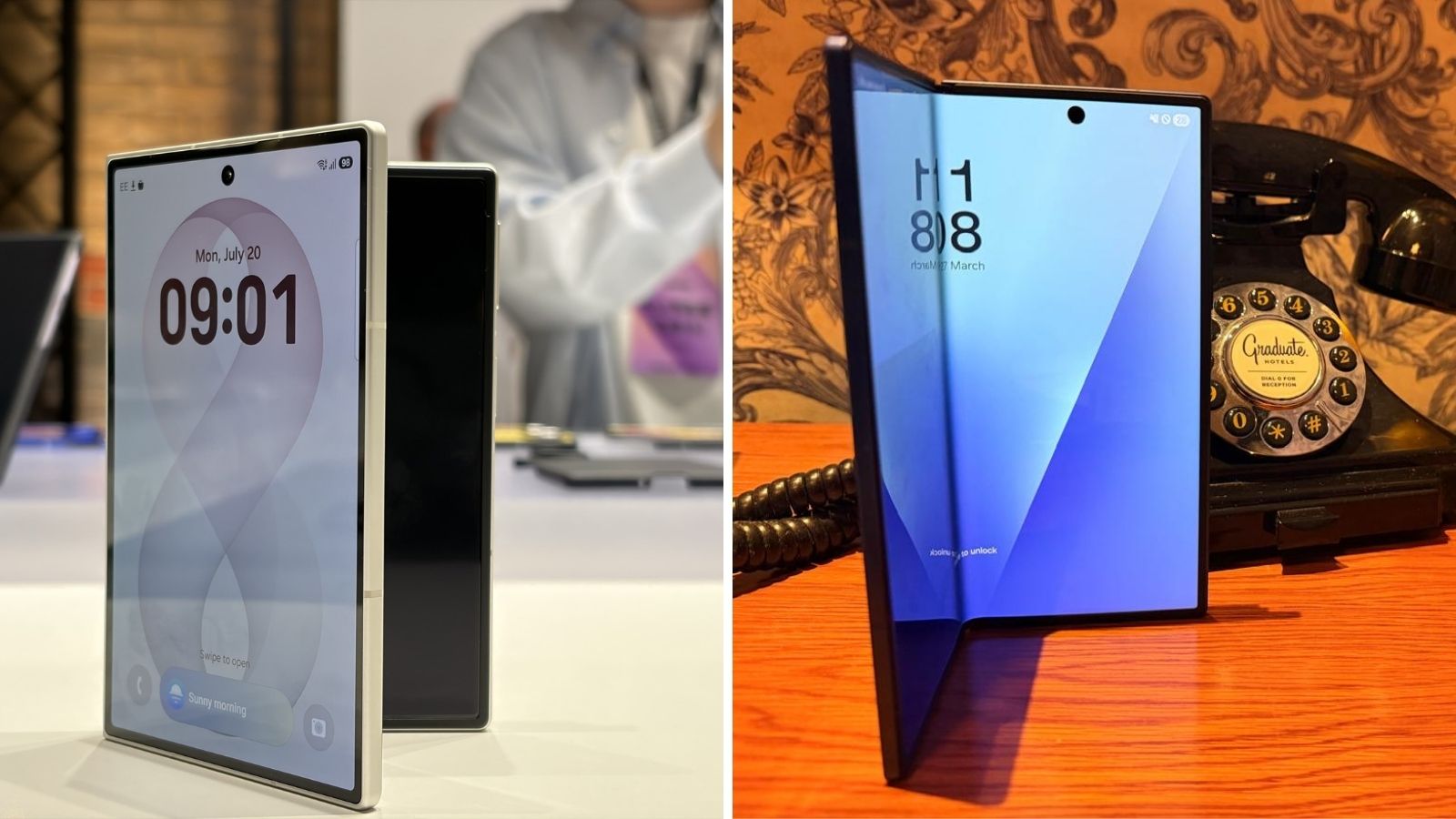
- The Galaxy Z Fold 8 introduces a wider, shorter form factor. This new aspect ratio, featuring a 7.6-inch foldable Dynamic LTPO AMOLED 2X main display and a 5.5-inch cover screen, is a direct response to user feedback. Samsung asserts that this configuration is "better suited for gaming, watching videos, and everyday use," providing a more natural, less cramped experience when using the cover screen and an optimized landscape view for media on the main display. The wider aspect ratio on the main screen translates to a more immersive viewing experience, reducing black bars when watching widescreen content.
- The Galaxy Z Fold 7, on the other hand, sports a slightly larger 8-inch main display and a 6.5-inch cover screen. Its taller and narrower aspect ratio was optimized for productivity, offering more vertical screen real estate for document viewing and multi-window multitasking. While excellent for these tasks, some users found the cover screen to be too narrow for comfortable typing or media consumption.
Beyond the dimensions, the Z Fold 8 also boasts a significant weight reduction, coming in at 201g compared to the Z Fold 7’s 215g. This 14-gram difference, while seemingly small, is substantial in hand-feel, making the Fold 8 the lightest Galaxy Fold device to date. This contributes significantly to overall portability and comfort during extended use. The Fold 8 also debuts Samsung’s new Flex Titanium display structure, which likely contributes to both the weight reduction and enhanced durability, though specific technical details are still emerging. Both devices maintain a robust Armour Aluminium frame and an IP48 dust and water resistance rating, offering peace of mind against environmental elements. The IP48 rating signifies protection against solid objects larger than 1mm and immersion in fresh water up to 1.5 meters for 30 minutes, a crucial feature for a high-end device.
Performance: The Powerhouses Within
At the heart of any flagship smartphone lies its processing power, and both foldables are equipped with top-tier chipsets, albeit from different generations.
- The Galaxy Z Fold 8 is powered by the cutting-edge Snapdragon 8 Elite Gen 5 for Galaxy chipset, paired with up to 16GB of RAM and 1TB of storage. This "Elite Gen 5" variant is a custom-tuned version of Qualcomm’s latest flagship SoC, optimized specifically for Samsung devices, promising enhanced clock speeds and superior thermal management.
- The Galaxy Z Fold 7 runs on last year’s formidable Snapdragon 8 Elite for Galaxy processor, also available with up to 16GB of RAM and 1TB of storage. This chipset, while a generation older, remains exceptionally powerful, capable of handling demanding applications, high-fidelity gaming, and intensive multitasking with ease.
While both phones are undeniably flagship performers, the newer Snapdragon 8 Elite Gen 5 in the Fold 8 is expected to deliver significant generational improvements. These enhancements typically manifest in faster CPU and GPU performance, leading to quicker app launches, smoother gaming experiences at higher frame rates, and more efficient processing of complex tasks. Crucially, the "Gen 5" also brings advancements in AI processing capabilities, with a more powerful Neural Processing Unit (NPU) that will directly benefit the expanded Galaxy AI features. Furthermore, the newer chip is designed for improved power efficiency, potentially contributing to longer battery life despite increased performance.
Notable Changes to Camera Systems: A Strategic Re-evaluation
The camera setup represents one of the most significant points of divergence, reflecting a deliberate strategic shift in Samsung’s imaging priorities for the Fold series.
- The Galaxy Z Fold 8 features a dual rear camera system: a 50MP primary sensor and a 50MP ultra-wide camera. For selfies, it includes 10MP cameras on both the main and cover displays, likely employing under-display camera technology on the main screen for an uninterrupted viewing experience. This setup suggests a focus on high-quality wide and ultra-wide photography, potentially leveraging pixel-binning for excellent low-light performance on the main sensor.
- In contrast, the Galaxy Z Fold 7 boasts a more versatile triple-camera setup: a massive 200MP primary sensor, a 12MP ultra-wide camera, and a 10MP telephoto lens supporting 3x optical zoom. It also features dual 10MP selfie cameras. The 200MP sensor, leveraging advanced pixel-binning technology, was designed to capture an incredible amount of detail, allowing for significant cropping while maintaining image quality. The dedicated telephoto lens provided genuine optical zoom, a critical feature for portrait photography and distant subjects without digital degradation.
The Z Fold 8’s decision to drop the 200MP main camera and the dedicated telephoto lens is a curious one. While the ultra-wide camera receives a resolution upgrade to 50MP, the absence of a telephoto lens means optical zoom capabilities are lost. Users who prioritize extreme detail, the flexibility of optical zoom for various photographic scenarios (like wildlife, sports, or candid portraits), or the sheer power of a 200MP sensor for massive prints or creative cropping, may find the Galaxy Z Fold 7 to be the superior choice for photography. The Z Fold 8’s camera system, while likely excellent in its own right, appears to be optimized for a different set of photographic priorities, possibly favoring computational photography and wider perspectives over specialized zoom capabilities.
Battery and Charging: Powering the Foldable Future
Battery life and charging speed are critical factors for any modern smartphone, especially a power-hungry foldable. Samsung has made notable improvements in this area with the Z Fold 8.
- The Galaxy Z Fold 8 is equipped with a larger 4,800mAh battery, a significant upgrade from its predecessor. It supports 45W wired charging, enabling rapid power replenishment, 20W wireless charging, and 4.5W reverse wireless charging for accessories. The 45W wired charging can typically charge the device from 0 to 50% in under 20 minutes, a substantial convenience for users on the go.
- The Galaxy Z Fold 7 features a 4,400mAh battery. Its charging capabilities include 25W wired charging, 15W wireless charging, and 4.5W reverse wireless charging. While respectable, these speeds are noticeably slower than the Fold 8.
The larger battery capacity combined with the more power-efficient Snapdragon 8 Elite Gen 5 processor in the Fold 8 should translate to noticeably longer screen-on time and overall battery endurance. The faster charging speeds further enhance the user experience, minimizing downtime and ensuring the device is ready when needed.
Software and AI: The Intelligence Factor
Software experience, especially with the integration of artificial intelligence, is becoming an increasingly important differentiator.
- The Galaxy Z Fold 8 ships with the latest Android 17 operating system overlaid with One UI 9. Both devices are backed by Samsung’s impressive commitment to software longevity, promising seven years of Android OS and security updates, ensuring long-term relevance and security.
- The Galaxy Z Fold 7 launched with Android 16 and One UI 8, and will also benefit from Samsung’s extensive update policy, ensuring it remains current for many years.
A major focus for the Z Fold 8 is the expansion of Galaxy AI features. This includes advanced functionalities like:
- Gemini Intelligence: Likely a deep integration with Google’s multimodal AI, enabling more sophisticated language understanding, content generation, and intelligent assistance across the system.
- Now Brief: An enhanced summary tool that can distill information from web pages, documents, and even lengthy conversations into concise, actionable points.
- Now Nudge: A proactive AI assistant that learns user habits and context to offer timely reminders, suggestions, and workflow optimizations. For instance, it might suggest opening a specific app based on location and time of day, or offer to draft a quick reply to an email based on its content.
- Improved on-device AI privacy controls: Giving users greater transparency and control over how their personal data is processed by AI, reinforcing Samsung’s commitment to data security.
These AI features are designed to transform the user experience, making the Fold 8 not just a powerful device, but an intelligent companion that anticipates needs and streamlines workflows. While the Fold 7 will also receive some AI features through software updates, the Z Fold 8 is optimized to leverage the full capabilities of the new AI hardware, offering a more deeply integrated and efficient AI experience from day one.
Official Responses and Industry Implications
Samsung’s strategy with the Galaxy Z Fold 8 reflects a clear direction for the foldable market. While specific official statements regarding the comparison were not provided in the original text, the product’s features speak volumes. The shift to a wider form factor for the Z Fold 8 indicates Samsung’s confidence in optimizing the foldable experience for mainstream media consumption and daily usability, moving beyond the perception of foldables as purely productivity-centric devices. The emphasis on a lighter build and enhanced durability also points to Samsung’s continuous efforts to address long-standing concerns about the practicality and robustness of foldable phones.
The strategic decision to alter the camera system, moving away from a high-megapixel main sensor and a dedicated telephoto lens in favor of a dual 50MP setup, suggests a re-evaluation of photographic priorities for the Fold series. This could be interpreted as Samsung believing that computational photography, powered by the new AI chip, can compensate for some hardware differences, or that the target demographic for the Z Fold 8 values wider perspectives and general high-quality shots over specialized zoom capabilities.
Industry analysts are likely to view the Z Fold 8 as a crucial step in cementing foldables as a viable and desirable alternative to traditional flagships. The expanded AI features, in particular, position Samsung at the forefront of the generative AI race on mobile devices, leveraging its ecosystem and hardware capabilities to deliver unique intelligent experiences. The continued commitment to seven years of software updates also sets a new industry standard, offering unprecedented longevity for premium devices and potentially influencing consumer buying habits towards long-term investment.
Implications: Which Foldable Reigns Supreme for You?
The choice between the Galaxy Z Fold 8 and the Galaxy Z Fold 7 is not simply a matter of "newer is better" but rather a nuanced decision based on individual priorities and budget.
The Galaxy Z Fold 8 emerges as the undisputed champion if your priorities are:
- Cutting-edge design and ergonomics: The redesigned wider form factor and significantly lighter chassis offer a more refined and comfortable user experience, especially for media consumption and daily handling.
- Raw performance and future-proofing: The Snapdragon 8 Elite Gen 5 for Galaxy chipset provides the absolute pinnacle of mobile processing power, ensuring smooth operation for years to come, particularly with demanding applications and AI workloads.
- Rapid charging and extended battery life: The larger 4,800mAh battery and faster 45W wired charging minimize downtime and offer superior endurance.
- Advanced AI integration: The expanded suite of Galaxy AI features, including Gemini Intelligence, Now Brief, and Now Nudge, promises a truly intelligent and proactive smartphone experience, leveraging the latest in on-device AI.
- Long-term software support: Seven years of OS and security updates guarantee the device remains current and secure for an extended period.
However, the Galaxy Z Fold 7 retains a distinct advantage and remains a highly attractive option for:
- Photography enthusiasts: Its 200MP primary camera and dedicated 10MP telephoto lens with 3x optical zoom offer a more versatile and arguably more professional photographic toolkit, especially for those who value high-resolution detail and optical zoom capabilities.
- Value-conscious premium buyers: With its current market discounts and promotional offers, the Z Fold 7 provides an exceptional opportunity to acquire a flagship foldable experience at a more accessible price point without significant compromises on overall performance or build quality.
Ultimately, if you seek the absolute latest in foldable design, raw power, battery advancements, and a deeply integrated AI experience, the Galaxy Z Fold 8 offers the most refined and future-forward package. But for those who prioritize a top-tier, versatile camera system and are looking for excellent value in the premium foldable segment, the Galaxy Z Fold 7 continues to hold its own as a formidable contender, proving that sometimes, last year’s flagship can still be a wise investment. The evolution of Samsung’s Fold series showcases a dynamic market where consumer choice is increasingly nuanced, driven by both cutting-edge innovation and enduring value.
