

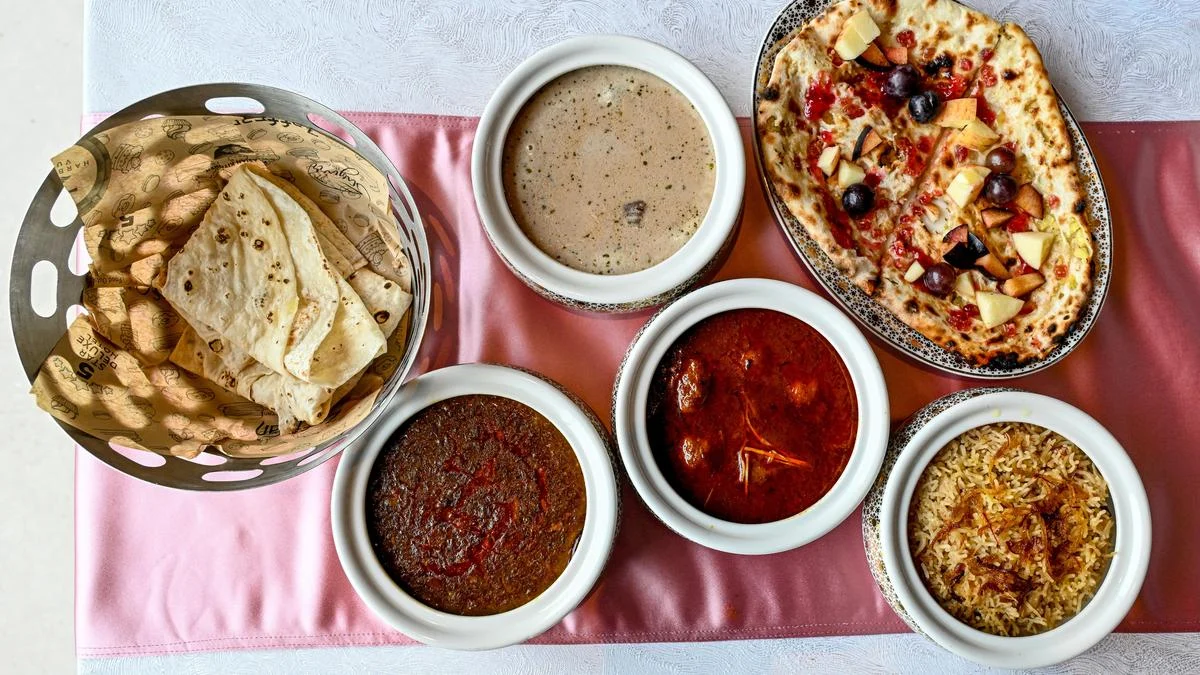
The serene coastline of Visakhapatnam has long been a melting pot of cultures, but this June, the salty breeze of the Bay of Bengal is being infused with the heady, sophisticated aromas of the Himalayas. At Zaffran, the signature restaurant of Novotel Visakhapatnam Varun Beach, a culinary bridge has been built between the northernmost tip of India and the eastern seaboard. The festival, titled "Dawat-E-Wazwan," is not merely a promotional event but a deep dive into one of the world’s most sophisticated and labor-intensive culinary traditions: the Kashmiri Wazwan.
Curated by the esteemed Chef Rehman and Chef Abdul, the festival seeks to demystify a cuisine that is often misunderstood by the uninitiated. While many associate Indian regional food with high heat and heavy oil, the Kashmiri kitchen—particularly the royal Wazwan—operates on a philosophy of subtlety, patience, and aromatic complexity.
Main Facts: A Gastronomic Bridge to the North
The "Dawat-E-Wazwan" festival is currently underway at Novotel Visakhapatnam Varun Beach, running until June 28, 2026. The event is hosted at Zaffran, a venue known for its panoramic ocean views, which now provide a striking backdrop to the earthy, mountain-inspired flavors of Kashmir.
The festival focuses on the "Wazwan," a multi-course meal in Kashmiri Muslim tradition, which is historically treated as an art form. The word ‘Waz’ means cook and ‘Wan’ means shop. However, in the context of a feast, it represents the pinnacle of hospitality. The menu at Zaffran has been carefully designed to offer a balanced representation of this heritage, featuring a mix of vegetarian and non-vegetarian delicacies that move beyond the "Roganjosh" stereotypes found in standard Indian restaurants.
Key details for attendees:
- Venue: Zaffran, Novotel Visakhapatnam Varun Beach.
- Duration: Concluding June 28, 2026.
- Service: Available for both lunch and dinner.
- Pricing: Approximately ₹3,000 to ₹3,500 for two people (plus taxes).
Chronology of the Experience: A Journey Through the Courses
To understand the Wazwan is to understand the sequence of service. At the festival, the meal is structured to allow the palate to evolve, starting with light, cleansing broths and moving toward the heavy, complex proteins that define the Valley’s winter-defying diet.
The Prelude: Soups and Starters
The journey begins with the Kashish Paya Shorba. Unlike the thick, gelatinous paya found in Hyderabadi or Lucknawi traditions, the Kashmiri version presented by Chef Rehman is a masterclass in restraint. It is a light mutton trotter broth, clarified to a point of elegance, offering a warmth that settles the stomach without overwhelming it.

Following the soup, the appetizers introduce the guest to the texture of Kashmiri meats. The Maaz Seekh Kebab stands out as a highlight of the festival. In Kashmir, meat is rarely just minced; it is often hand-pounded to achieve a specific "melt-in-the-mouth" consistency. These kebabs are succulent, retaining the natural juices of the lamb, seasoned delicately with local spices rather than being buried under a mountain of garam masala.
While the Badami Kukar Tikka (almond-infused chicken) offers a soft, well-cooked texture, some diners may find the nutty notes subtle to the point of being elusive. Conversely, the vegetarian options, such as the saffron-infused Paneer Kebab, showcase the richness of Kashmiri dairy, though the festival’s strength clearly leans toward its traditional meat preparations.
The Heart of the Feast: The Mains
The centerpiece of the festival is undoubtedly the Rista. In a traditional Wazwan, the Rista is one of the most difficult dishes to master. It consists of mutton meatballs that are hand-pounded on a stone slab for hours until the fibers break down into a smooth paste. Cooked in a vibrant red gravy colored by the Mawal (cockscomb flower) and Kashmiri chilies, the dish is surprisingly mild. The heat is replaced by a deep, resonant flavor that lingers on the tongue.
Complementing the heavy meats is the Nadur Yakhni. The lotus stem (Nadur), harvested from the depths of the Dal Lake, is a staple of the Kashmiri diet. Here, it is simmered in a yogurt-based gravy flavored with dried mint and fennel. It provides a necessary acidic balance to the meal. These are served alongside Kokur Pulao, a fragrant rice dish that avoids the grease of a biryani, focusing instead on the aroma of whole spices.
The Sweet Conclusion
No Kashmiri feast is complete without a transition to the desserts. The Kong Phirni (saffron ground-rice pudding) is served in traditional earthenware, though the sweetness levels are notably high, catering to a more traditional palate. The Malai Gilori, with its intricate layers of milk cream and a dense filling of nuts, serves as a rich, indulgent finale to the experience.
Supporting Data: The Alchemy of Kashmiri Spices
What differentiates the food at this festival from "North Indian" cuisine is the specific pantry of the Kashmiri chef. According to culinary data provided by the visiting chefs, the Wazwan relies on four pillars of flavor:
- Saffron (Lacha): Sourced from the plateaus of Pampore, this is used not just for color but for its medicinal and aromatic properties.
- Fennel Powder (Saunf) and Dry Ginger (Sonth): These are the primary flavoring agents, replacing the heavy use of onion and garlic found in other plains-based cuisines.
- Shallots (Pran): Instead of regular onions, Kashmiri chefs use Pran, a local shallot that is fried to a crisp and ground into a paste, providing a unique, musky sweetness.
- Kashmiri Red Chili: Used primarily for its brilliant crimson hue, these chilies lack the capsaicin heat of the Guntur or Bird’s Eye varieties, allowing the dish to be "aromatic rather than fiery."
The chefs at Novotel emphasized that the cooking process is "slow and meditative." Many of the dishes are simmered for 6 to 8 hours over low heat, a technique known as Dum, which allows the spices to penetrate the proteins without breaking them apart.

Official Responses: Insights from the Culinary Masters
Chef Rehman, who has traveled extensively to promote the Wazwan tradition, spoke about the cultural importance of the festival. "Wazwan is about patience and balance," he explained during the festival’s opening. "We don’t rely on heavy spices to create an impact. Instead, the flavors come from the quality of the ingredients—the yogurt, the fennel, and the saffron. It is a cuisine that respects the ingredient."
Management at Novotel Visakhapatnam Varun Beach stated that the decision to host "Dawat-E-Wazwan" was part of a broader strategy to bring authentic, "hyper-regional" experiences to the city. "Visakhapatnam has a growing demographic of well-traveled gourmands who are looking for authenticity," a spokesperson for the hotel noted. "By bringing in specialists like Chef Rehman and Chef Abdul, we ensure that the flavors are not ‘localized’ but remain true to their roots in the Valley."
Implications: The Rise of Regional Gastronomy in Tier-2 Cities
The success of the Kashmiri food festival in Visakhapatnam reflects a larger trend in the Indian hospitality industry. As tier-2 cities like Vizag grow economically, there is a burgeoning demand for "culinary tourism"—the ability to experience distant cultures through their food without leaving one’s city.
Cultural Preservation
Festivals like "Dawat-E-Wazwan" play a crucial role in the preservation of intangible heritage. The Wazwan is under threat from modernization and the shortcut methods of commercial cooking. By showcasing the labor-intensive process of hand-pounding meat and slow-cooking in copper vessels (Deghs), these festivals educate the public on the value of traditional craftsmanship.
Economic Impact
For the hospitality sector, these events are significant revenue drivers. With a price point of ₹3,000+ for two, the festival targets the premium segment, proving that there is a substantial market for high-end, niche culinary experiences in Andhra Pradesh. It also fosters a cross-pollination of culinary talent, as local kitchen staff at Novotel work alongside master Wazas, learning techniques that they can later incorporate into their own repertoires.
Conclusion: A Must-Visit for the Curious Palate
The "Dawat-E-Wazwan" at Zaffran is more than a meal; it is a sensory immersion. While minor adjustments could be made to the sweetness of the desserts or the spice balance of the vegetarian starters, the festival succeeds in its primary mission: transporting the diner to the cool, saffron-scented air of Srinagar.
For the residents of Visakhapatnam and visitors alike, the festival offers a rare opportunity to taste the history of a region that has perfected the art of the feast. As the event nears its conclusion on June 28, it stands as a testament to the power of food to bridge the vast geographical and cultural distances of the Indian subcontinent.
