

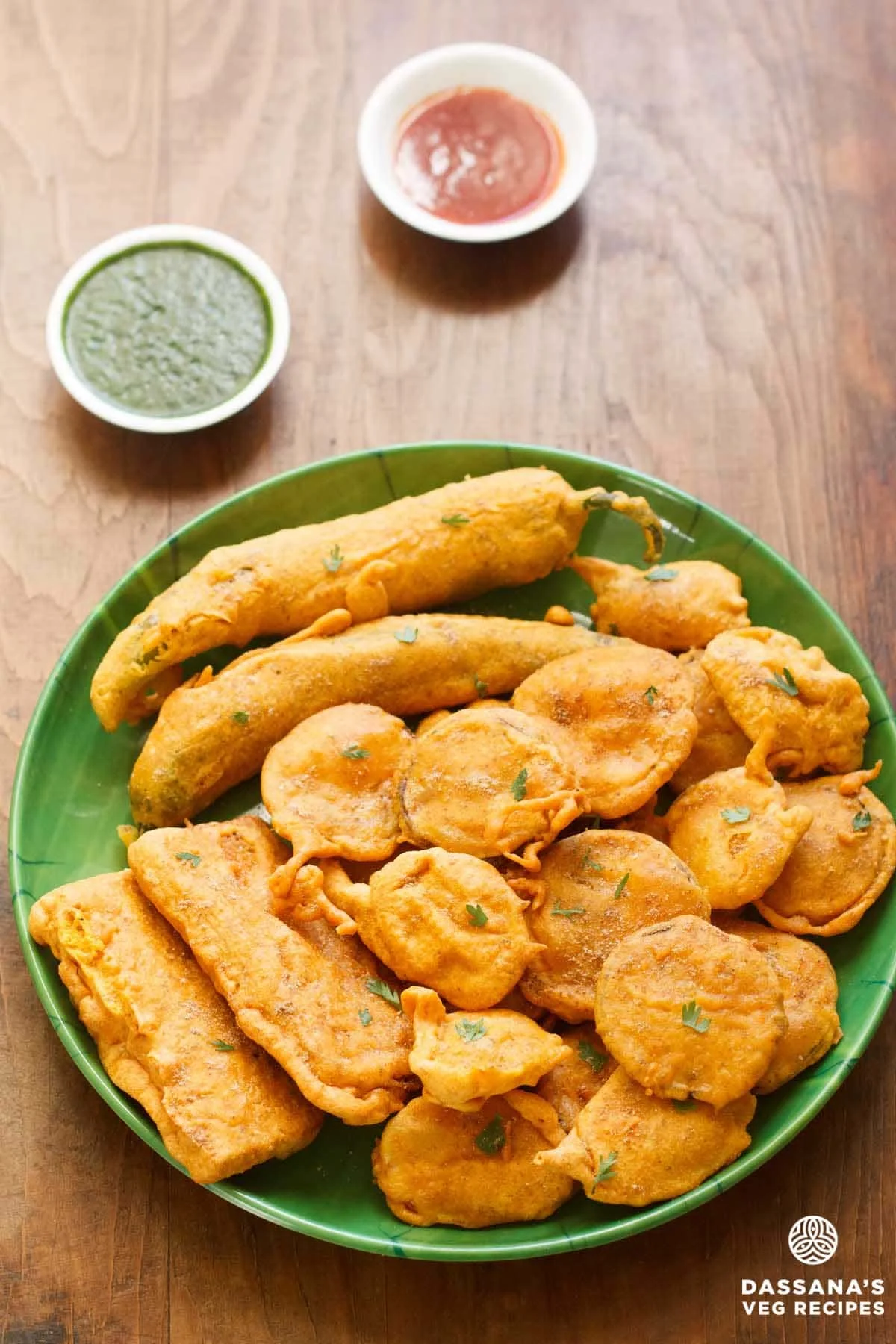
The Indian culinary landscape is a vast tapestry of textures and flavors, but few items hold as much universal appeal as the Bhajiya. Often referred to as the quintessential comfort food of the Indian subcontinent, Bhajiya—crisp, golden-brown fritters—represent a sophisticated marriage of pulse-based chemistry and high-heat frying techniques. While the dish is a staple of street-side vendors from Ahmedabad to Mumbai, a new focus on artisanal home preparation has brought the intricacies of the "Mix Bhajiya" platter into the spotlight.
This report examines the technical specifications, cultural lineage, and nutritional profile of the assorted Bhajiya, specifically focusing on the popular Gujarati-style preparation involving potatoes, brinjals, green chilies, and bread.

Main Facts: Defining the Bhajiya
At its core, a Bhajiya is a fritter made by coating vegetables or other ingredients in a seasoned gram flour (besan) batter before deep-frying them to a precise level of crispness. However, the term itself carries regional weight. In the state of Gujarat, "Bhajiya" is the standard nomenclature for these fried delights. In other regions of India, they are interchangeably known as Pakora, Bhaji, or Bajji.
The "Mix Bhajiya" platter is a curated selection of textures. Unlike vegetable pakoras, where chopped greens are bound together in a thick dough, the traditional Mix Bhajiya involves slicing individual vegetables thinly and dipping them into a medium-thick batter. This ensures that the structural integrity and flavor of the base ingredient—be it the earthy potato or the bitter-sweet brinjal—remain the focal point of the eating experience.

Key technical components of the dish include:
- The Base: Gram flour (besan), derived from ground chana dal.
- The Texturizer: Rice flour, added to ensure a long-lasting crunch.
- The Aromatics: Carom seeds (ajwain), asafoetida (hing), and turmeric.
- The Heat: Red chili powder and whole green chilies.
Chronology: The Lifecycle of a Perfect Fritter
The creation of a professional-grade Bhajiya platter follows a strict chronological order, moving from chemical aeration to thermal application.

Phase I: The Batter Engineering
The process begins with the "Make The Batter" stage. Culinary experts emphasize the use of fresh gram flour to avoid the rancid aftertaste often associated with aged pulses. Two cups of besan are combined with one-third cup of rice flour. The inclusion of rice flour is a strategic move; its low protein content prevents excessive oil absorption and creates a glass-like crispness upon contact with hot oil.
The dry ingredients—including ajwain for digestion, turmeric for color, and hing for its savory depth—are whisked to remove lumps. Water is added gradually. This stage is critical for aeration. By whisking the batter thoroughly for several minutes, the cook incorporates air bubbles, which expand during frying. This mechanical aeration serves as a natural alternative to chemical leavening agents like baking soda.

Phase II: Botanical Preparation
While the batter rests, the "Prepare Vegetables" phase commences. Each ingredient requires specific handling:
- Brinjals (Eggplants): These are thinly sliced and submerged in salted water for 20 minutes. This process, known as "degorging," removes potential bitterness and prevents oxidation (browning).
- Potatoes: Sliced into even rounds to ensure uniform cooking.
- Green Chilies: Large, mild varieties are slit lengthwise. The removal of seeds is a standard safety measure to control the heat level.
- Bread: Cut into triangles, providing a porous, sponge-like contrast to the dense vegetables.
Phase III: The Thermal Execution
The "Make Bhajiya" phase is the climax of the process. Oil is heated in a kadai (traditional Indian wok) to a moderate temperature. The "batter drop test" is the industry-standard method for verifying readiness: a drop of batter should rise to the surface steadily. If it sinks, the oil is too cold, leading to greasiness; if it browns instantly, the oil is too hot, leaving the interior raw.

The frying follows a specific sequence, typically starting with potatoes and brinjals, which require more time to soften, and ending with bread, which fries almost instantly due to its high porosity.
Supporting Data: Nutritional and Chemical Profile
A detailed analysis of the Mix Bhajiya reveals a complex nutritional footprint. While often dismissed as a mere "fried snack," the use of gram flour provides a significant protein and fiber base compared to wheat-based snacks.

Nutritional Breakdown (Per 4-serving batch):
- Energy: 554 kcal
- Protein: 19g (Highly significant for a vegetarian snack)
- Total Fat: 20g (Saturated Fat: 10g)
- Carbohydrates: 76g
- Dietary Fiber: 17g (68% of the Daily Value)
- Potassium: 1452mg
The data suggests that while the caloric density is high due to the frying process, the dish provides substantial micronutrients. The high potassium and fiber content stem from the unpeeled potatoes and the legume-based flour. Furthermore, the inclusion of spices like turmeric provides curcumin, while carom seeds contribute thymol, aiding in the digestion of the dense chickpea protein.

Official Responses: Expert Culinary Recommendations
Dassana, a leading authority on Indian vegetarian cuisine and author of the source recipe, provides several "Official Tips" that elevate the Bhajiya from a domestic snack to a professional-grade dish.
Regarding the batter’s consistency, the expert recommendation is to maintain a "medium-thick" viscosity. If the batter is too thin, it will slide off the vegetable; if too thick, it will become bready and dull. Dassana also addresses the "Baking Soda Debate," noting that while soda produces a puffier result, it can also lead to increased oil absorption. Thorough whisking is the preferred professional method for achieving lightness without the oily residue.

On the matter of vegetable moisture, the official stance is clear: all vegetables, particularly the soaked brinjals, must be patted completely dry. Residual moisture causes "oil spluttering" and prevents the batter from adhering, leading to a "naked" or soggy fritter.
Implications: Cultural and Economic Impact
The Bhajiya is more than a recipe; it is a cultural phenomenon with significant implications for Indian social life and the street-food economy.

1. The Monsoon Economy
In India, the arrival of the monsoon season triggers a massive surge in the consumption of Bhajiya. This "monsoon-chai-bhajiya" triad is a cornerstone of domestic tourism and local commerce. Small-scale vendors see their revenues triple during rainy months, highlighting the dish’s role as a vital economic driver in the "farsan" (savory snack) industry.
2. Gastronomic Versatility
The Mix Bhajiya platter demonstrates the adaptability of Indian cuisine. While the standard uses potato and brinjal, the "Implications" section of culinary trends shows an expansion into cauliflower, raw bananas, and even bitter gourd. This versatility allows the dish to remain relevant across different agricultural zones and seasons.

3. Modern Storage and Reheating
As lifestyles become more fast-paced, the "immediate consumption" rule of fried foods is being challenged. The move toward air-fryer technology has provided a second life for Bhajiya. While traditionalists insist on eating them "kadai-to-plate," modern culinary data suggests that reheating at 180°C (356°F) in an air fryer can restore 80-90% of the original crispness, a significant finding for the food delivery and "leftover" culture.
4. Social Integration
Served at weddings, festivals, and casual tea-time gatherings, the Bhajiya serves as a social equalizer. It is a dish found in both the humblest roadside stalls and the most elite high-tea menus in Mumbai and Ahmedabad. Its pairing with Masala Chai or various chutneys (Coriander, Tamarind, or Mint) creates a sensory experience that defines the Indian afternoon.

In conclusion, the Mix Bhajiya is a masterpiece of functional deep-frying. Through the careful management of batter aeration, moisture control, and oil temperature, a simple collection of vegetables is transformed into a high-protein, high-fiber cultural icon. Whether viewed through the lens of nutritional science or culinary tradition, the Bhajiya remains a golden standard of the Indian kitchen.
