

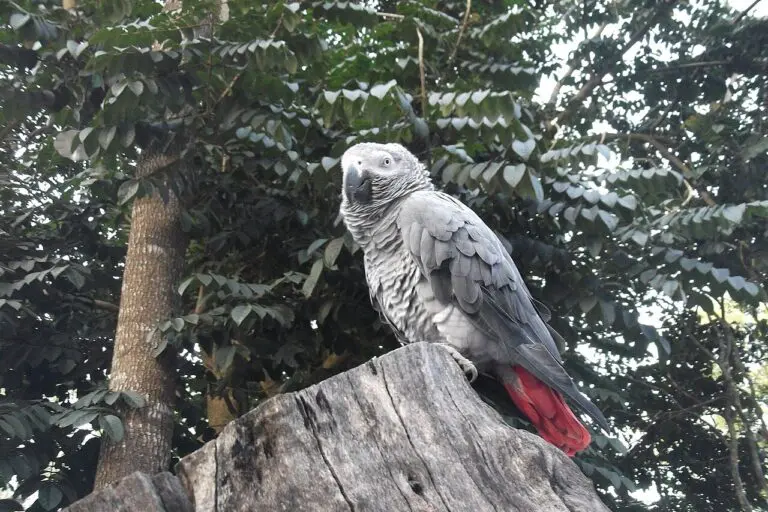
In the early 2000s, the sight of a sulfur-crested cockatoo or a vibrant macaw in India was largely restricted to the sawdust rings of traveling circuses or the enclosures of premier state zoos. For the ultra-wealthy, a parrot in a farmhouse was a discreet status symbol, while the bustling pet corners of Mumbai’s Crawford Market or Delhi’s Jama Masjid dealt primarily in budgerigars and goldfish. Fast forward two decades, and the landscape has shifted from discreet physical markets to a sprawling, multi-million-dollar digital ecosystem.
As India emerges as a central hub in the global wildlife trade, the complexities of regulation, animal welfare, and public health have reached a critical juncture. This transformation, fueled by social media algorithms and pop culture, persists despite the sobering lessons of the COVID-19 pandemic and a landmark legal overhaul in 2022.
I. Main Facts: A Market in Ascent
The exotic pet trade in India is no longer a niche hobby; it is a sophisticated industry with profound economic and ecological footprints. According to a 2026 report by Humane World for Animals (HWA), India’s exotic pet market was valued at approximately $42.6 million in 2024. This figure is projected to nearly double by 2030, driven by an insatiable demand for non-native reptiles, birds, and increasingly, mammals and invertebrates.
Key statistics highlighting the scale of the trade include:

- The Voluntary Disclosure Boom: In 2020, a government amnesty scheme saw over 40,000 individuals across 30 states and union territories declare ownership of exotic pets, ranging from common iguanas to endangered primates.
- Species Diversity: A two-year monitoring study documented at least 84 exotic reptile species being traded openly and clandestinely across digital platforms.
- Economic Ecosystem: The trade has birthed a massive secondary market for specialized services, including custom enclosures, veterinary care for exotic species, and the farming of live feeds like mealworms and cockroaches.
- Smuggling Surge: Despite global lockdowns, seizures of exotic wildlife at Indian airports and the Indo-Myanmar border have seen a marked increase since 2021.
II. Chronology: From Discrete Markets to Digital Dominance
2000–2010: The Era of Discretion
During this period, the trade was characterized by physical presence and native species. Jose Louies, CEO of the Wildlife Trust of India (WTI) and a veteran tracker of the trade, recalls a time when native birds like Alexandrine parakeets and Indian hill mynas dominated illegal stalls. Exotic mammals were virtually non-existent in the consumer market. Enforcement by agencies and NGOs like PETA was focused on these physical hotspots.
2010–2019: The Digital Explosion
The turning point arrived with the proliferation of high-speed internet and social media. Platforms like Facebook, Instagram, and WhatsApp transformed the trade by providing sellers with a global reach and private, encrypted communication channels. Algorithms began playing the role of silent brokers, pushing "cute" or "exotic" animal content to millions, thereby normalizing the idea of keeping wild animals in domestic settings.
2020–2022: The Pandemic Paradox
While the COVID-19 pandemic—a zoonotic crisis—was expected to deter the public from close contact with wild animals, the opposite occurred. Lockdowns increased social media consumption, and the desire for "unique" companionship led to a surge in demand. As traditional overland smuggling routes through the Northeast faced disruption, traffickers shifted to air travel, utilizing major airports to transport high-value species with lower mortality rates.
2022–Present: The New Legal Frontier
In December 2022, India passed a significant amendment to the Wild Life (Protection) Act, 1972. This brought the country into closer alignment with the Convention on International Trade in Endangered Species of Wild Fauna and Flora (CITES). For the first time, a legal framework was established to regulate—rather than just prohibit—the possession and trade of non-native species listed under CITES Appendices.

III. Supporting Data: The Drivers of Demand
The growth of this trade is not accidental; it is the result of converging cultural and technological forces.
The "Harry Potter" Effect and Pop Culture
Popular culture remains a potent catalyst. Ornithologist Abrar Ahmed’s 2010 TRAFFIC report famously documented the "Hedwig" phenomenon, where the Harry Potter series triggered a massive spike in demand for owls. Similar trends followed with clownfish after Finding Nemo, huskies after The Chronicles of Narnia, and more recently, Indonesian pit vipers following the movie Zootopia.
Algorithmic Amplification
A 2021 study revealed that social media groups act as private trading floors. Sellers use "closed" groups to bypass public scrutiny, displaying animals through photos without listing prices to avoid detection by platform moderators. Sumanth Bindumadhav of Humane World for Animals notes that videos receiving high engagement are pushed to wider audiences, creating a feedback loop of desire and demand.
The Ancillary Economy
The trade is supported by a burgeoning infrastructure. Pet trade fairs, such as the India International Pet Trade Fair (IIPTF), now showcase specialized products for exotic owners. Louies points out that even mealworm farming has become a lucrative home-based business, requiring minimal investment to feed the growing population of exotic birds like African grey parrots.

IV. Official Responses and the Legal Landscape
The Indian government has moved from a stance of peripheral monitoring to active regulation, though the transition has been fraught with "growing pains."
The 2022 Amendment and Schedule IV
The most significant official response is the inclusion of Schedule IV in the Wild Life (Protection) Act. Under Section 49M, owners are now required to register the possession, birth, transfer, and death of CITES-listed species. This provides forest departments with a legal basis to intervene in cases involving non-native wildlife, which was previously a jurisdictional "grey area."
The Voluntary Disclosure Scheme (2020)
Introduced by the Ministry of Environment, Forest and Climate Change (MoEFCC), this amnesty scheme was an attempt to quantify the "underground" population of exotic pets. While the 40,000 declarations provided a baseline, experts believe this is merely the tip of the iceberg, as many owners likely remained in the shadows to avoid future scrutiny.
Challenges in Enforcement
Despite the new laws, implementation remains a hurdle. Environment lawyer Shubhra Sotie highlights that while trade in native wildlife is strictly prohibited, the trade in exotic species is "legal but regulated." This creates a complex paradox for forest officials who often lack the specialized training to distinguish between CITES-listed and non-listed species.

Furthermore, the 2025 Mumbai customs seizure—which involved tarantulas, iguanas, and sugar gliders—exposed the lack of standardized protocols for "repatriation." When animals are seized, authorities often struggle with the logistics of returning them to their countries of origin, leading to welfare concerns and legal stalemates.
V. Implications: Beyond the Pet Shop
The expansion of the exotic pet trade carries risks that extend far beyond the welfare of the individual animals involved.
1. Biosecurity and Zoonotic Risks
The COVID-19 pandemic served as a warning, yet biosecurity measures at Indian ports and post-import facilities remain weak. Many exotic animals are carriers of pathogens that can jump to humans or native wildlife. Without mandatory post-import health standards, the risk of a "Pathogen X" entering the domestic environment remains high.
2. Invasive Species and Ecological Collapse
Abandoned or escaped exotic pets can become invasive, outcompeting native species for resources. Currently, India lacks a single, legally binding national list of prohibited high-risk invasive species. This regulatory gap means that popular pets like red-eared slider turtles or certain snake species could wreak havoc on local ecosystems if they establish wild populations.

3. The Crime Nexus
Jose Louies warns that the exotic pet trade should not be viewed in isolation. It is frequently linked to broader transnational crime networks involving drug trafficking, human smuggling, and money laundering. The high profit margins and relatively lower risk of prosecution (compared to narcotics) make wildlife a preferred commodity for organized crime.
4. Animal Welfare and the "Grey Market"
Many exotic animals, particularly primates and large reptiles, have complex social and biological needs that cannot be met in a domestic setting. The HWA report notes that the lack of species-specific husbandry standards in Indian law allows for "legal" but cruel confinement. Petting zoos and aviaries often operate in regulatory vacuums, prioritizing profit over the biological integrity of the animals.
Conclusion: A Call for Integrated Governance
The transformation of India’s exotic pet trade from a discrete market to a $42 million digital industry demands a more robust and integrated response. While the 2022 Amendment to the Wild Life (Protection) Act is a foundational step, it is not a panacea.
Experts suggest that the path forward must include:

- Enhanced Digital Policing: Collaboration with social media giants to flag and remove illegal wildlife listings.
- Standardized Protocols: Clear guidelines for the repatriation and long-term care of seized animals.
- Public Awareness: Moving beyond "cute" content to educate the public on the ecological and health risks of exotic ownership.
- Inter-departmental Coordination: Bridging the gap between Customs, the Forest Department, and the Wildlife Crime Control Bureau (WCCB).
As India continues to navigate its role in the global wildlife trade, the balance between regulation and prohibition will determine not just the fate of thousands of exotic animals, but also the country’s ecological security in an increasingly interconnected world.
