

In the hushed, high-ceilinged dining rooms of The Oberoi in Bengaluru and Mumbai, a revolution of the palate is quietly unfolding. It is a movement that seeks to redefine one of the world’s most ubiquitous condiments—soy sauce—elevating it from a mere salty seasoning to a complex, aged elixir comparable to the finest vintage wines or single-malt whiskies.
The event, titled Kioke Dojo, represents a rare intersection of Japanese artisanal heritage and modern Indian gastronomy. At its heart is the Yamaroku Shoyu brewery from the island of Shodo, a 150-year-old institution that remains one of the last bastions of traditional kioke (wooden barrel) fermentation. As Chef Yoshifumi Tashima of Tokyo’s Namida partners with Indian culinary leaders, the narrative transcends food, touching upon the preservation of "living crafts" and the intricate science of umami.
1. Main Facts: A Gastronomic Bridge Between Shodo and India
The Kioke Dojo dinner series is a curated multi-course experience hosted on August 22 at Wabi Sabi (The Oberoi, Bengaluru) and August 24 at Fenix (The Oberoi, Mumbai). The initiative is spearheaded by SpicedLore, an online trade platform under the Tropical Trading Co., which focuses on bringing artisanal, high-provenance products to the global market.
The Core Participants
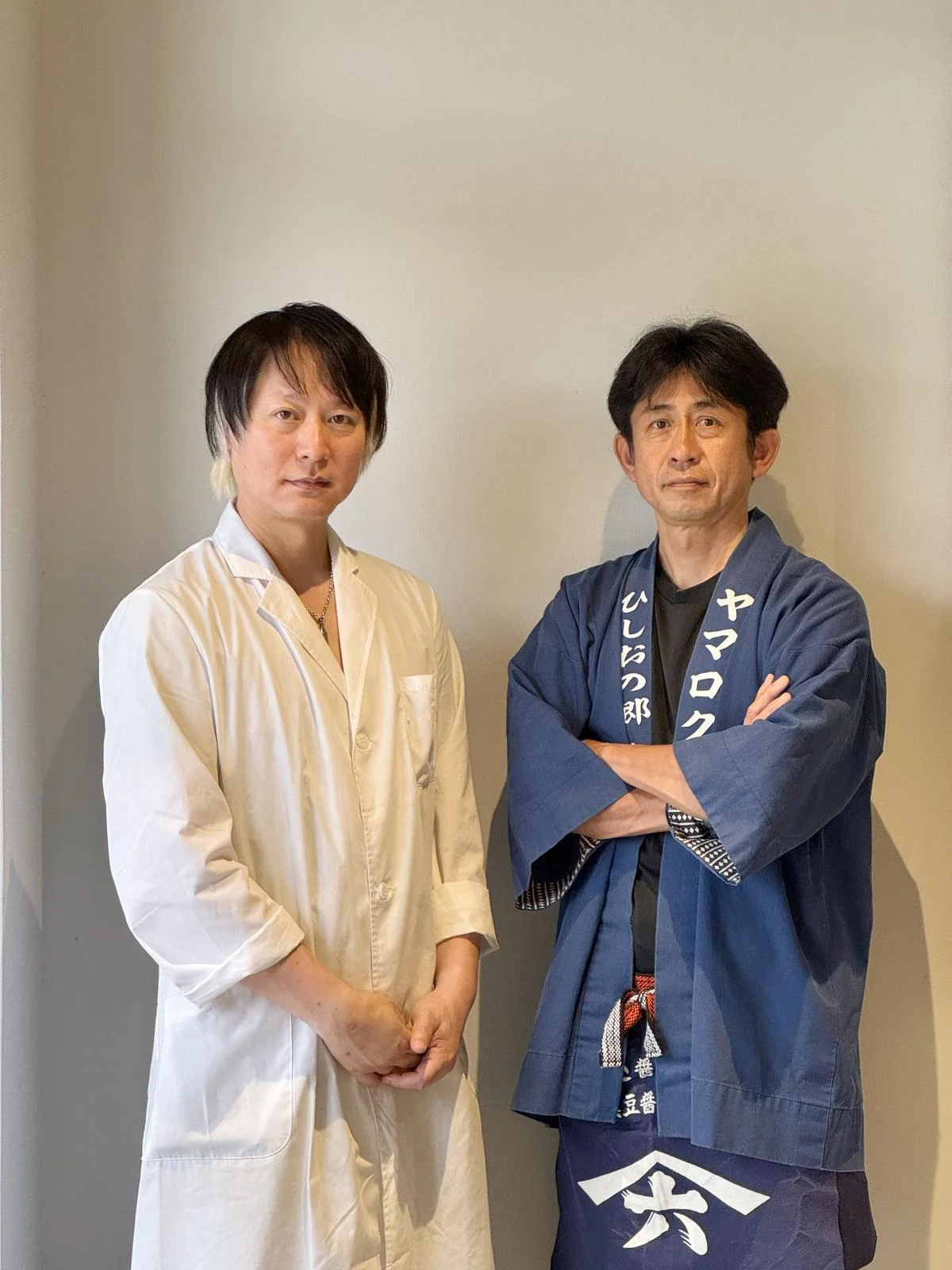
- Yasuo Yamamoto: A fifth-generation brewer and proprietor of Yamaroku Shoyu. He is a pivotal figure in Japan, known not just for brewing but for leading a movement to save the dying craft of kioke (cedar barrel) making.
- Chef Yoshifumi Tashima: The visionary behind Namida in Tokyo, whose philosophy centers on the "tears" (Namida) of joy and emotion that food can evoke through precision and history.
- Chef Randy Cultivo & Chef Richard Malone: Representing the Indian host venues, these chefs are tasked with integrating these ancient Japanese flavors into a contemporary luxury setting.
The Product
The focal point is Shoyu (soy sauce) fermented in centuries-old cedar barrels. Unlike mass-produced soy sauce, which is often chemically hydrolyzed or fermented in stainless steel tanks for a few months, Yamaroku’s product is aged for years, allowing a natural ecosystem of microorganisms to dictate the flavor profile.
2. Chronology: From the Meiji Era to the Modern Indian Table
To understand the significance of the Kioke Dojo event, one must trace the timeline of the craft itself and the subsequent journey of Yamaroku Shoyu to the Indian subcontinent.
1868–1912: The Meiji Foundations
The Yamaroku Shoyu brewing house was constructed at the dawn of the Meiji Era, a period of rapid modernization in Japan. While the country was looking toward the West, the Yamamoto family doubled down on traditional methods. They utilized kioke—massive barrels made of Japanese cedar (sugi) and bound with bamboo—to ferment soy and wheat.

The Mid-20th Century: The Industrial Shift
Following World War II, the soy sauce industry underwent a massive industrialization. To meet rising demand, most breweries switched to temperature-controlled steel tanks, reducing fermentation time from years to mere weeks. By the late 20th century, less than 1% of all soy sauce produced in Japan was made using the traditional kioke method.
2012–Present: The Revivalist Movement
Yasuo Yamamoto, realizing that the master barrel-makers in Japan were disappearing, took the extraordinary step of apprenticing himself to the last remaining coopers. He began building new kioke at Yamaroku, ensuring the craft would not die with the previous generation. This revivalist spirit caught the attention of global gourmands, eventually leading to partnerships with platforms like SpicedLore.
August 2024: The Indian Debut
The current collaboration marks a significant milestone in India’s culinary evolution. The journey from Shodo Island to Bengaluru and Mumbai involves not just the transport of bottles, but the translation of a philosophy. The "Kioke Dojo" serves as both a classroom and a dining room, where the history of Shodo is presented through a curated menu.
3. Supporting Data: The Science of the Barrel and the Terroir of Shodo
The complexity of Yamaroku Shoyu is not a marketing gimmick; it is backed by biological and environmental data that distinguishes it from industrial alternatives.
The Microbial Ecosystem
A single kioke barrel at Yamaroku can be over 100 years old. Over these decades, the porous cedar wood becomes a "living" entity. Scientists have identified over 100 different types of yeast and lactic acid bacteria residing within the wood fibers of these barrels.
- The Fermentation Cycle: During the humid summers of Shodo Island, these microorganisms become active, breaking down the proteins in the soybeans into amino acids (the source of umami).
- The "Living" Factor: Because the barrels are not sterilized between batches, the resident "house" microbes ensure a flavor profile that is unique to Yamaroku and cannot be replicated in a laboratory or a different brewery.
The Climate of Shodo Island
Often referred to as the "Mediterranean of Japan," Shodo Island in the Seto Inland Sea possesses a unique microclimate. The mild winters and warm, dry summers are ideal for the slow, natural fermentation of soy sauce. This environmental "terroir" is a critical component of the final product, influencing the evaporation rates and the concentration of flavors during the aging process.

Varieties of Shoyu in the Pairing
The dinner highlights the diversity of the craft:
- Tsurubishio (Double-Brewed): Aged for four years, this sauce uses soy sauce instead of salt water in its second fermentation, resulting in a thick, velvety texture and intense umami.
- Kiku-Tshuyu: A dashi-based soy sauce that incorporates ingredients like kelp and bonito, showing the versatility of the base spirit.
4. Official Responses: Insights from the Masters
The collaboration has drawn profound reflections from the participants, highlighting the difference between "making" food and "growing" it.
Yasuo Yamamoto (Proprietor, Yamaroku Shoyu):
"Ageing creates a depth that cannot be fully captured by scientific analysis or reduced to a number," Yamamoto explains. He emphasizes that the wood and the microorganisms are the true brewers; he is merely their steward. "It is the difference between simply making soy sauce and allowing a living fermentation to evolve. For us, that is the essence of kioke shoyu: wood, microorganisms, ingredients, craftsmanship, and time coming together to create something that cannot be hurried."
Chef Yoshifumi Tashima (Namida, Tokyo):
Chef Tashima addresses the misconception that soy sauce is merely a salt substitute. "When tasted by itself, soy sauce can initially seem intensely salty. But tasting it in its original form allows you to discover what lies beneath—the aroma, umami, acidity, sweetness, and finish." On the creative process, he adds, "The question is not simply, ‘Which soy sauce goes with this dish?’ It is, ‘What do we want this dish to make you feel?’ That is where pairing becomes creative rather than prescriptive."
SpicedLore (Project Organizers):
A spokesperson for SpicedLore noted that the "Kioke Dojo" is part of a larger mission to connect Indian consumers with "living crafts." They view this as the first step in a series of experiential journeys that will eventually take diners from the urban centers of India to the rural heartlands of Japan.
5. Implications: The Future of High-End Gastronomy in India
The arrival of Yamaroku Shoyu in India signifies several shifts in the global and local food landscapes.

The "Ultra-Provenance" Trend
Indian diners at the luxury level are moving beyond "fusion" and toward "provenance." There is a growing demand to know not just where a dish comes from, but the history of its individual components. The success of the Kioke Dojo dinners suggests that Indian consumers are ready for high-concept, ingredient-focused dining that prioritizes heritage over spectacle.
Preservation through Consumption
By creating a high-end market for kioke-aged soy sauce, events like this provide the financial incentive necessary to keep ancient crafts alive. When a diner pays ₹6,500 for a meal, a portion of that value supports the maintenance of 150-year-old barrels and the training of new coopers on Shodo Island.
Cross-Cultural Culinary Innovation
The collaboration between Chef Tashima and the Indian chefs at Wabi Sabi and Fenix creates a new culinary dialect. By applying 150-year-old Japanese techniques to ingredients available in India, the chefs are expanding the boundaries of what "Japanese food" can be in a globalized context.
Dishes such as the Mizu no Hana (Hiramasa fish) and the Isobe Yaki (grilled rice cakes) serve as proof that the deep, nuanced notes of aged shoyu can elevate even the simplest ingredients into a complex narrative of time and place.
Event Details Summary
- Bengaluru: August 22, Wabi Sabi, The Oberoi.
- Mumbai: August 24, Fenix, The Oberoi.
- Pricing: ₹6,000 (Vegetarian) | ₹6,500 (Non-Vegetarian).
- Theme: A multi-course exploration of the five elements of shoyu: Aroma, Umami, Acidity, Sweetness, and Finish.
As the "Kioke Dojo" concludes its Indian tour, it leaves behind a legacy of heightened awareness. For those who attended, soy sauce will never again be just a condiment in a plastic packet; it will be remembered as a liquid history, brewed in wood, and perfected by time.
