

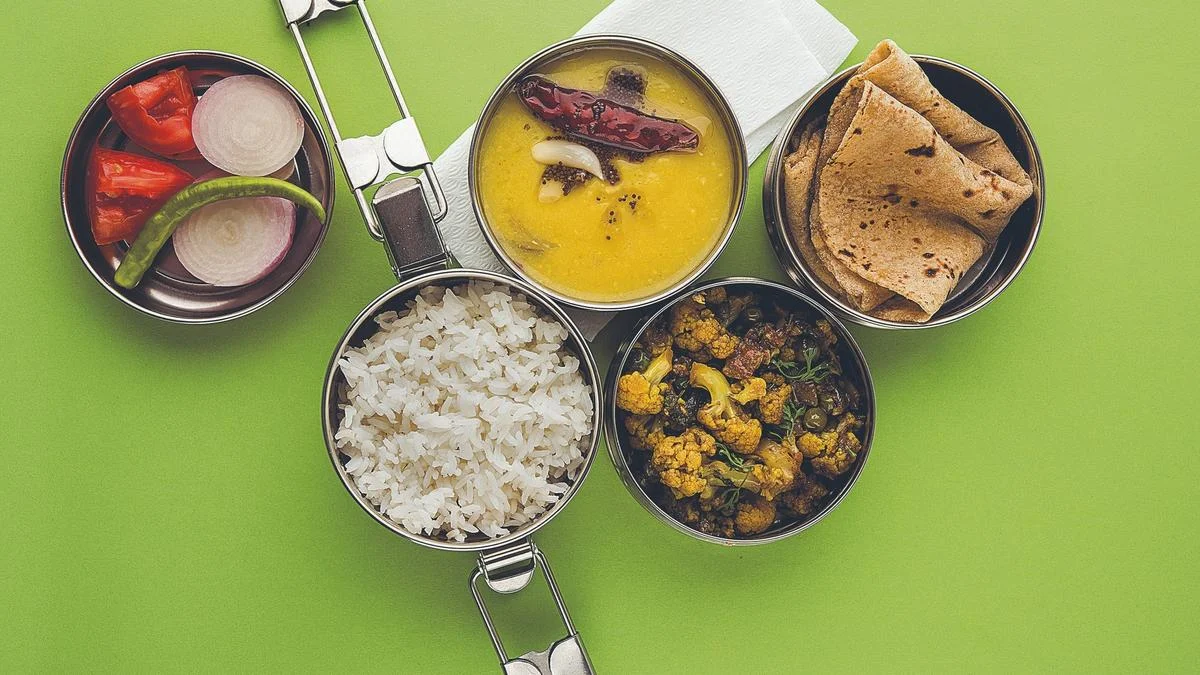
CHENNAI — For decades, the rhythmic clink of a three-tier stainless-steel tiffin carrier was the heartbeat of the Chennai afternoon. It was more than a vessel; it was a symbol of domestic stability, a portable link to the family hearth, and a testament to a culture that prioritized home-cooked nutrition over commercial convenience. However, as the city’s skyline has transitioned from colonial-era low-rises to glass-fronted IT corridors, the tiffin carrier is increasingly becoming a relic of a bygone era.
In its place, a complex ecosystem of neighborhood eateries, high-end restaurants, boutique cafés, and a relentless tide of food-delivery apps has emerged. The transformation of Chennai’s palate is not merely a change in taste, but a profound shift in the socio-economic fabric of one of India’s most traditional metropolises.
Main Facts: The Displacement of the Domestic Kitchen
The decline of the traditional tiffin carrier is driven by three primary factors: the acceleration of urban life, the rise of the gig economy, and a significant shift in gender roles within the household. Historically, the preparation of the "afternoon meal" was a ritualistic endeavor, involving the slow simmering of sambar, the precise tempering of poriyal, and the careful packing of rice to ensure it remained warm until the lunch bell rang.
Today, data suggests that the average urban professional in Chennai spends less than 30 minutes on meal preparation during weekdays. The convenience of subscription kitchens—which mimic home cooking but remove the labor—and the ubiquitous presence of delivery partners in their bright uniforms have effectively disrupted the "lunch box" economy.
Writer and chronicler Sivasankari, 82, observes this shift with a blend of nostalgia and sharp sociological insight. Looking back at the Madras of the 1960s and 70s, she notes that while eating out was an event, the daily sustenance was almost exclusively domestic. "There was a sacredness to the home-packed meal," she reflects. "But when we did step out, it was for something extraordinary—flavors that the home kitchen couldn’t replicate."
Chronology: From Mount Road Grandeur to Digital Delivery
The evolution of Chennai’s culinary landscape can be categorized into four distinct eras:
1. The Post-Independence Era (1947–1960s)
During this period, the city, then known as Madras, saw the rise of the "Military Hotel" and the "Brahmin Hotel." These were functional spaces. The tiffin carrier was the undisputed king for office-goers. Dining out was rare, often reserved for travelers or special celebrations at establishments like the iconic Dasaprakash.
2. The Golden Age of Anna Salai (1960s–1980s)
This era marked the introduction of "sophisticated" dining. Anna Salai (then Mount Road) became the epicenter of a culinary revolution. As Sivasankari recalls, places like Gaylord and Jaffers brought international standards to the city.
"Gaylord was close to my office, and Jaffers was the place for ice creams," Sivasankari says. "The Peach Melba at Jaffers was an all-time favorite. These weren’t just eateries; they were landmarks of a city becoming cosmopolitan." During this time, the tiffin carrier co-existed with these treats, representing the balance between traditional sustenance and occasional indulgence.
3. The Liberalization and Fast Food Boom (1990s–2010s)
With the opening of the Indian economy in 1991, Chennai saw an influx of global chains. The "Tiffin" started to lose its grip as the younger workforce, particularly in the burgeoning IT sector, began to favor the speed of fast food and the variety offered by multi-cuisine food courts.
4. The Digital Disruption (2015–Present)
The arrival of Swiggy, Zomato, and various "Cloud Kitchens" marked the final blow for the traditional tiffin carrier. The smartphone replaced the tiffin-man. The diversity of choice—from sushi to sourdough—has made the predictable contents of a steel carrier seem monotonous to the modern consumer.
Supporting Data: The Economics of the Plate
The shift from the tiffin carrier to the app-based delivery model is supported by staggering industrial growth figures. According to market research reports on the Indian Food Services Market:

- Market Growth: The food delivery market in India, of which Chennai is a top-five contributor, is projected to grow at a CAGR of 28.9% through 2026.
- The "Tiffin" Decline: Manufacturers of traditional stainless-steel kitchenware in areas like T. Nagar report a 40% decline in the sale of multi-tier lunch carriers over the last decade, with sales now primarily driven by rural demand or for use as storage containers rather than active lunch boxes.
- The Rise of Cloud Kitchens: Chennai has seen a 150% increase in registered "cloud kitchens"—establishments with no storefront that exist solely to fulfill online orders—since 2020.
- Consumer Behavior: A survey conducted among IT professionals in the OMR (Old Mahabalipuram Road) corridor revealed that 72% of respondents order lunch at least four times a week, citing "lack of time" and "variety" as the primary reasons for abandoning the home-packed lunch.
Official Responses and Expert Perspectives
The transition has drawn commentary from health officials, urban planners, and cultural historians.
The Health Perspective:
Dr. Aruna Muralidhar, a senior nutritionist based in Chennai, expresses concern over the nutritional cost of this convenience. "The traditional tiffin was balanced—it had carbohydrates, proteins, and fiber in controlled portions. Commercial meals, even those marketed as ‘home-style,’ often contain higher levels of sodium, hidden fats, and preservatives to maintain shelf life during delivery. We are seeing a rise in lifestyle diseases among young professionals that correlates directly with the decline of the home-packed meal."
The Hospitality Industry:
M. Ravi, President of the Chennai Hotels Association, views the evolution as a natural progression of a growing city. "Chennai has always been a food-loving city. What we are seeing is the democratization of dining. Earlier, Jaffers or Gaylord were for the elite. Today, everyone has access to a variety of cuisines at their doorstep. The industry has adapted by offering ‘Mini-Tiffins’ and subscription models that attempt to replicate the health benefits of the steel carrier."
The Cultural Historian:
V. Sriram, a well-known historian of Madras/Chennai, notes the loss of the "communal lunch hour." "The tiffin carrier was a social catalyst. In offices, people would share their ‘dabbas,’ leading to a cross-pollination of recipes and cultures. Today, people eat in front of screens, often alone. The disappearance of the tiffin carrier is also the disappearance of a certain type of social cohesion."
Implications: The Future of the Chennai Kitchen
The marginalization of the stainless-steel tiffin carrier carries several long-term implications for the city:
1. Environmental Impact
The shift from reusable stainless steel to "disposable" plastic and cardboard packaging has created a significant waste management challenge. While the tiffin carrier could last a lifetime, a single app-ordered meal generates an average of three to five pieces of single-use plastic or treated paper.
2. Erosion of Culinary Heritage
As the reliance on commercial kitchens grows, traditional family recipes—often passed down through the act of daily cooking—are at risk of being lost. The "standardization" of taste in commercial kitchens often irons out the regional nuances of Tamil cuisine.
3. The Changing Architecture of the Home
Real estate developers in Chennai are noting a trend where new "studio apartments" designed for young professionals feature "minimalist kitchens." The assumption is that the resident will primarily use the space for reheating or light preparation, relying on the city’s vast delivery network for main meals.
4. A New Definition of "Home-Cooked"
There is a burgeoning market for "Home-Chef" aggregators—platforms that connect home cooks with consumers. This represents a hybrid future: the food is cooked in a domestic kitchen, but the delivery and transaction are digital. It is a modern attempt to recapture the soul of the tiffin carrier within the framework of a high-speed society.
Conclusion
As Sivasankari reminisces about the Peach Melba at Jaffers and the international standards of Gaylord, she highlights a time when the city was discovering the "new." Today, Chennai is in a state of perpetual "newness," where the convenience of the future often comes at the expense of the rituals of the past.
The stainless-steel tiffin carrier may no longer be the ubiquitous sight it once was on the local trains or the back of bicycles, but its legacy persists in the city’s obsession with a "good meal." Whether that meal comes from a tier of steel or a cardboard box, the spirit of Chennai remains rooted in its flavors. However, as the clink of the steel fades, the city must grapple with what it loses in the exchange: the health, the history, and the simple, quiet love of a home-cooked lunch.
