

In 2015, a small but vocal revolution occurred in the ancient city of Madurai. The city, primarily known for the towering gopurams of the Meenakshi Amman Temple and the scent of jasmine, welcomed its first pub. Christened "Infinito," the establishment opened in a flurry of neon lights, flaming shots, and the exuberant declaration of a local reporter: “Dude, we have a pub in town.” The story went viral, signaling what many thought was the dawn of a new, modernized era for the Athens of the East.
However, the experiment was short-lived. Infinito shuttered its doors within a year, leaving many to wonder if Madurai—a city deeply rooted in tradition and conservative social structures—was truly ready for the trappings of global nightlife.
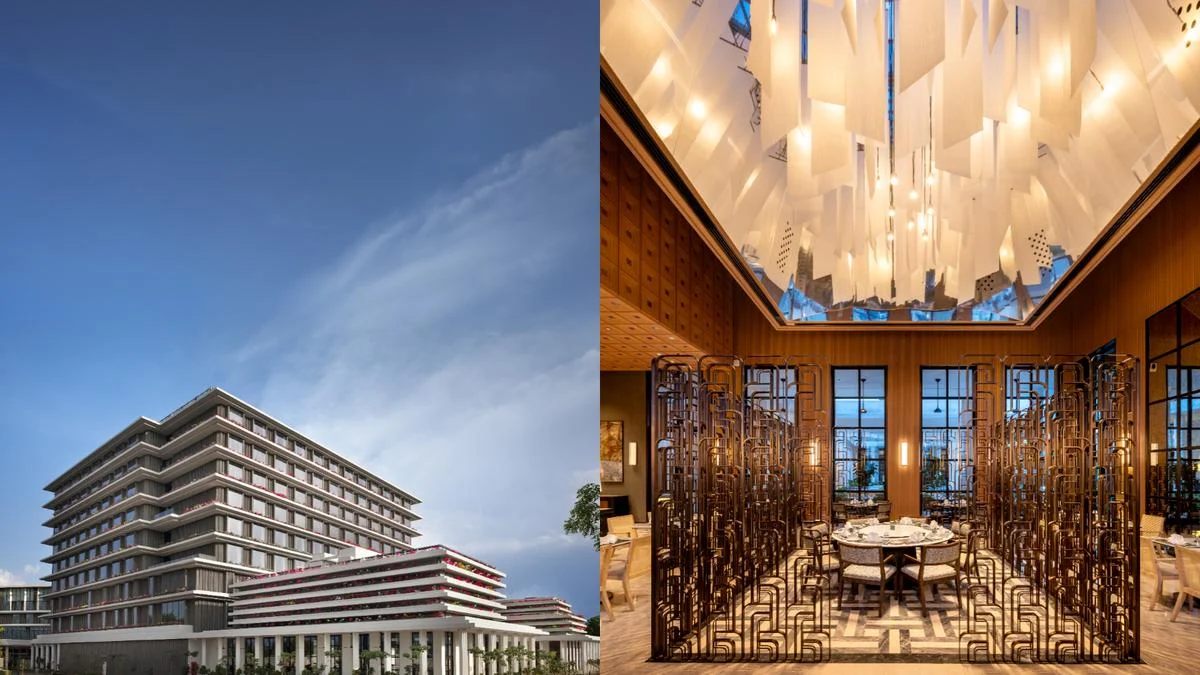
Fast forward to the present, and the narrative has shifted dramatically. Madurai is no longer just "ready"; it is undergoing a profound transformation. As the city gears up for the monumental 2026 kumbabhishekam of the Meenakshi Temple, a new wave of luxury is sweeping through its streets. Leading this charge is The Residency Signature, a sprawling, audacious property that signals Madurai’s arrival as a Tier-2 powerhouse capable of competing with national metros.

Main Facts: A New Benchmark for Hospitality
The centerpiece of Madurai’s modernization is the newly launched Residency Signature hotel. Located strategically near the airport, the property is not merely a place to stay but a statement of intent. Spanning seven acres, the hotel features 191 rooms and suites, but its most striking feature is its scale for events. With nearly 80,000 square feet of banquet space and a convention center designed to accommodate 5,000 people, it represents a level of infrastructure previously unseen in Southern Tamil Nadu.
The timing of this development is not coincidental. On September 17, 2026, the Meenakshi Sundareswarar Temple will undergo its kumbabhishekam (consecration ceremony) after a gap of 17 years. This event is expected to draw over one million devotees and tourists from across the globe. The city is currently in a race against time to upgrade its infrastructure, and the private sector is leading the way by providing high-end accommodations and event spaces to meet this unprecedented demand.
Chronology: From Stagnation to Rapid Growth
The evolution of Madurai can be mapped across three distinct phases over the last decade:

2015–2016: The Failed Experiment
The opening and subsequent closing of Infinito Resto Lounge served as a cautionary tale. At the time, the city’s aspirational youth were eager for "style," but the market lacked the critical mass of corporate travelers and high-spending locals to sustain a standalone modern pub. The city remained a "transit point" for pilgrims heading to Rameswaram or Kanyakumari.
2017–2023: The Quiet Transformation
During this period, Madurai began to be "discovered" by the rest of India. The growth of the IT sector, improved connectivity via the Madurai Airport, and the rise of local entrepreneurship created a new demographic. This "cosmopolitan generation"—many of whom studied abroad or worked in metros like Chennai and Bangalore—began returning to their roots to take over family businesses in surrounding industrial towns.
2024 and Beyond: The Luxury Leap
The announcement of the 2026 kumbabhishekam acted as a catalyst. The launch of The Residency Signature represents the culmination of this growth. It moves beyond the "dive bar" culture of the past into a sophisticated "lifestyle" offering that blends global standards with Madurai’s unique heritage.

Supporting Data: Infrastructure and Design
The Residency Signature is a masterclass in blending local aesthetics with international design. The property was envisioned by Singapore-based architect Wong Chiu Man of WoW Architects, who sought to translate Madurai’s architectural soul into a modern vernacular.
- The Pillar Heritage: The hotel features 300 intricately designed pillars, a direct homage to the iconic Thousand Pillar Mandapam of the Meenakshi Temple.
- Capacity for Scale: The open-air Mandapam Terrace can host 2,000 guests, while the indoor convention center can hold 5,000, making it the largest such facility in the region.
- Operational Intensity: The sheer size of the property is reflected in the daily lives of its staff, who report clocking over 20,000 steps a day just navigating the corridors and event halls.
- Strategic Location: Its proximity to the airport caters to the "fly-in, fly-out" corporate segment and international tourists who previously had limited luxury options.
Culinary Evolution: Bridging the Gap Between Street and Suite
Madurai has always been a culinary capital, famous for its bun parottas, jigarthanda, and kola urundais. However, the dining landscape is diversifying. While the city still cherishes its "mess hotels" and male-dominated dive bars—where boiled peanuts and rasa vada are served on toothpicks—the new era of hospitality offers a different experience.
The Rise of the Global Bar
"Eden," the hotel’s sleek bar, stands in stark contrast to the city’s traditional "shadowy" watering holes. With soaring ceilings and a menu featuring botanical highballs, it mirrors the bars of Tokyo or Singapore. Yet, it remains anchored in the local palate, pairing gin-based cocktails with spiced kadalamittai (peanut candy) crumble and fiery uppu kari varuval (mutton fry).

Fine Dining and Fresh Produce
The hotel group’s flagship Chinese restaurant, "Chin Chin," has expanded to Madurai, leveraging the region’s high-quality produce. Culinary Director Chef Ajit Janardhanan notes that the city offers some of the best mutton in the country, alongside fresh snapper and tiger prawns sourced from nearby Rameshwaram. This focus on "food theatre"—featuring eight live counters and the ability to serve traditional leaf-service meals to 2,500 guests—is a significant upgrade for the city’s wedding industry.
Official Responses: Madurai as a Regional Economic Hub
Management at The Residency Signature views Madurai not just as a city, but as the heart of a vast industrial and commercial ecosystem.
Charles Fabien, Area Director of Operations at The Residency Towers, emphasizes that Madurai serves as a central hub for several booming business towns, including:

- Sivakasi: The printing and firecracker capital.
- Tuticorin: A major port city.
- Virudhunagar & Rajapalayam: Hubs for textiles and agriculture.
- Theni & Dindigul: Centers for trade and tourism.
"The current generation is coming home to the family business after seeing the world," Fabien observes. "They no longer need to drive to Chennai or Bangalore for a luxurious weekend. We are bringing that luxury to their doorstep."
Sujit Kumar, Executive Assistant Manager, adds that the hotel is designed to break the "seasonal" nature of Madurai tourism. Historically, the city saw visitors only from October to March. By offering high-tech breakout rooms for corporate retreats, professional makeup spaces for brides, and a "Golden Key" concierge service, the hotel aims to maintain year-round occupancy through MICE (Meetings, Incentives, Conferences, and Exhibitions) tourism.
Implications: A Tier-2 Blueprint for the Future
The transformation of Madurai carries significant implications for urban development in India. It serves as a blueprint for how Tier-2 cities can evolve without losing their cultural identity.

- Economic Decentralization: The success of such large-scale luxury projects suggests that the economic center of gravity is shifting away from overcrowded metros. Madurai is proving that it can host national-level conferences and high-net-worth events.
- Cultural Preservation through Modernization: By incorporating temple-inspired architecture and local flavors into a luxury setting, the city is finding ways to keep its heritage relevant for a younger, globalized audience.
- Tourism Infrastructure: The 2026 kumbabhishekam will be a litmus test for the city. The presence of international-standard hotels ensures that Madurai can cater to high-end pilgrims and international scholars, potentially increasing the average length of stay and spend per tourist.
- Employment and Skill Development: The influx of luxury hospitality brands brings standardized training and global service norms to the local workforce, creating high-quality employment opportunities within the region.
As Sujit Kumar aptly notes, there is often skepticism about hosting major events in a Tier-2 city. However, once visitors witness the blend of ancient history and modern luxury, the perception changes. Madurai is no longer just a stopover on a spiritual circuit; it is becoming a destination in its own right—one where the clink of cocktail glasses at Eden now harmonizes with the evening bells of the Meenakshi Temple.
